
58 results
-
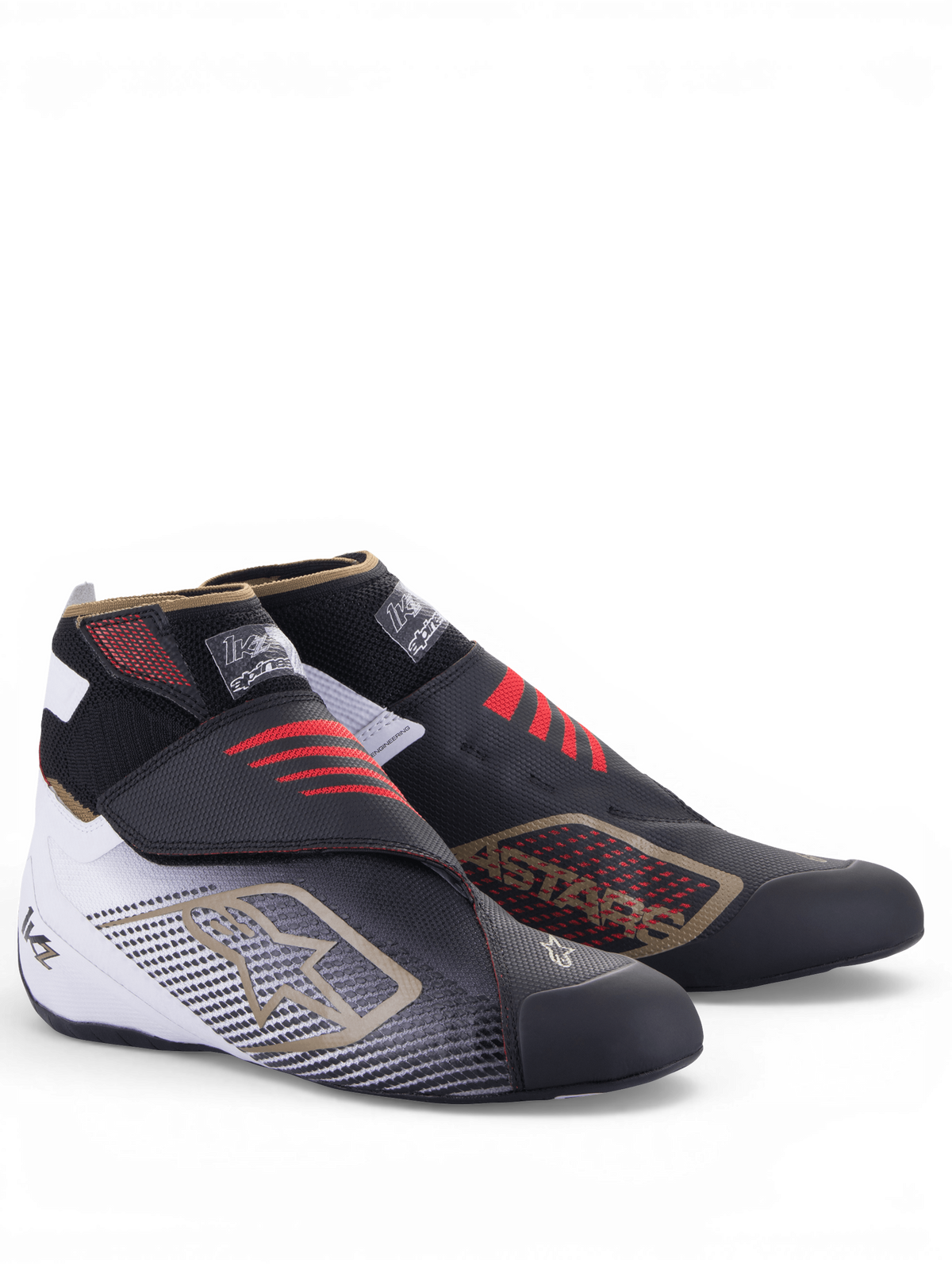
Tech-1 KZ V2 Shoes -
Tech-1 KZ V2 Shoes -
Tech-1 KZ V2 Shoes -
Youth Tech-1 KX V2 Shoes -
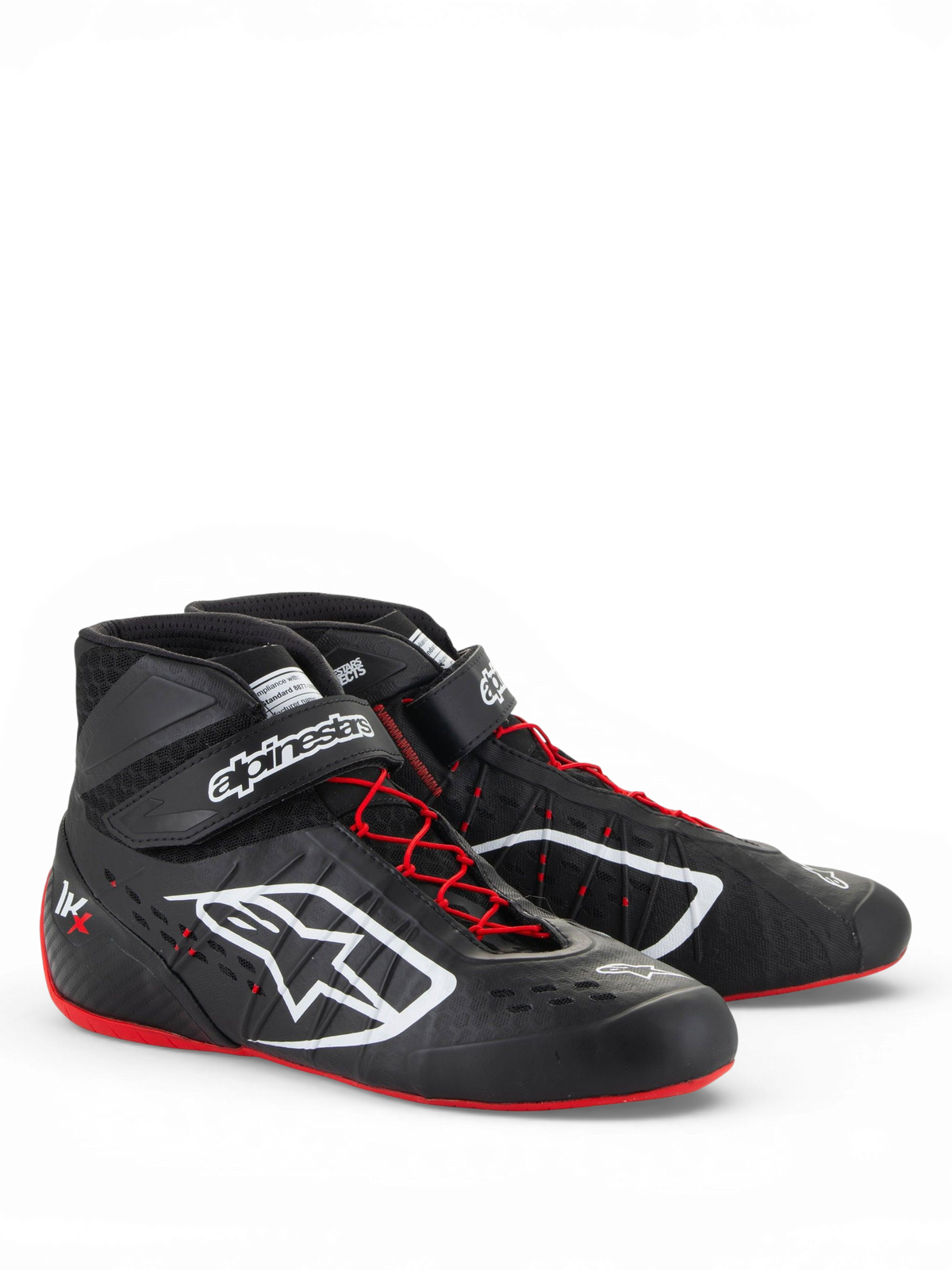
Tech-1 KX V2 Shoes -
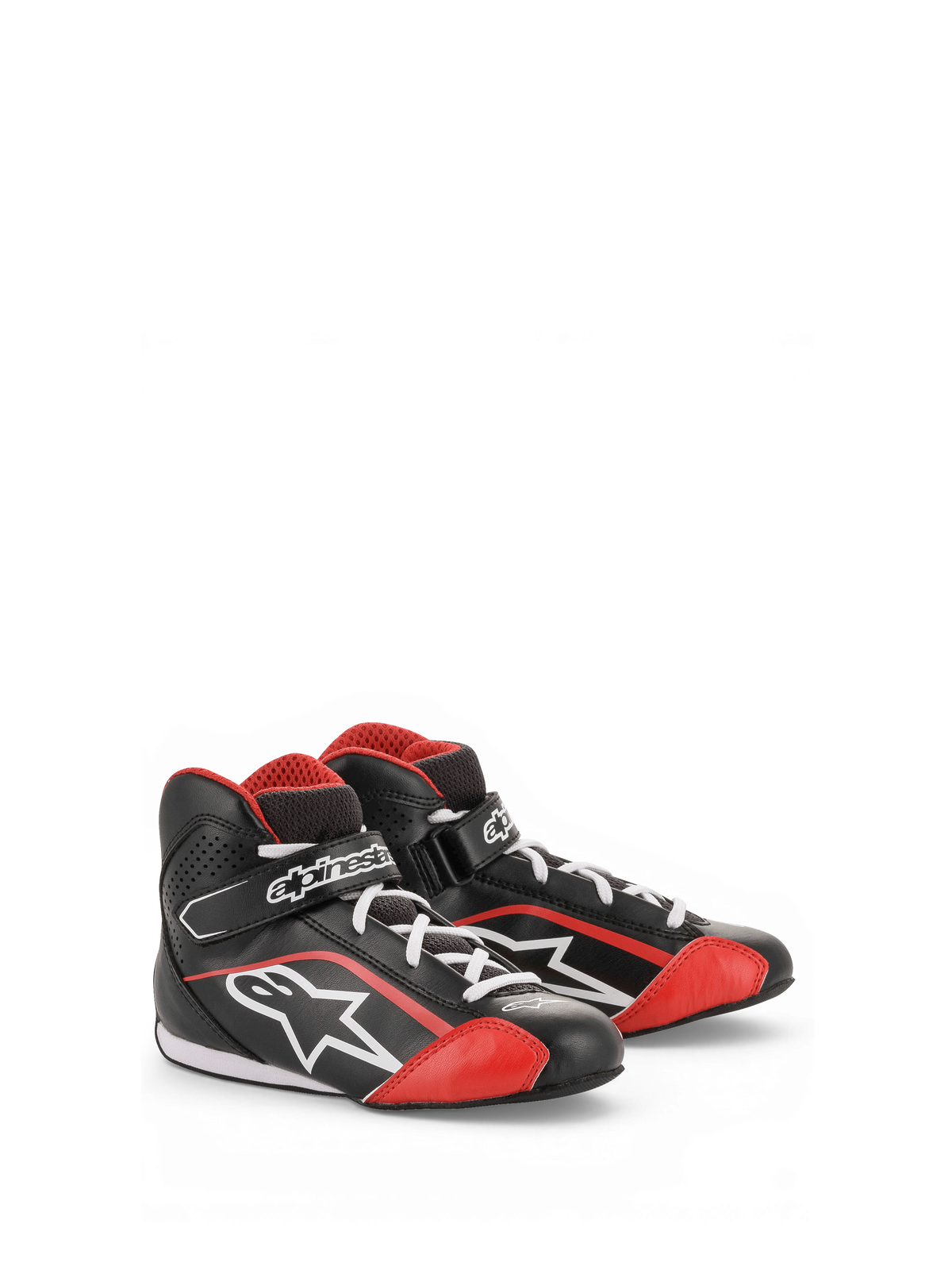
Youth Tech-1 K Shoes -
Youth Tech-1 K Shoes -
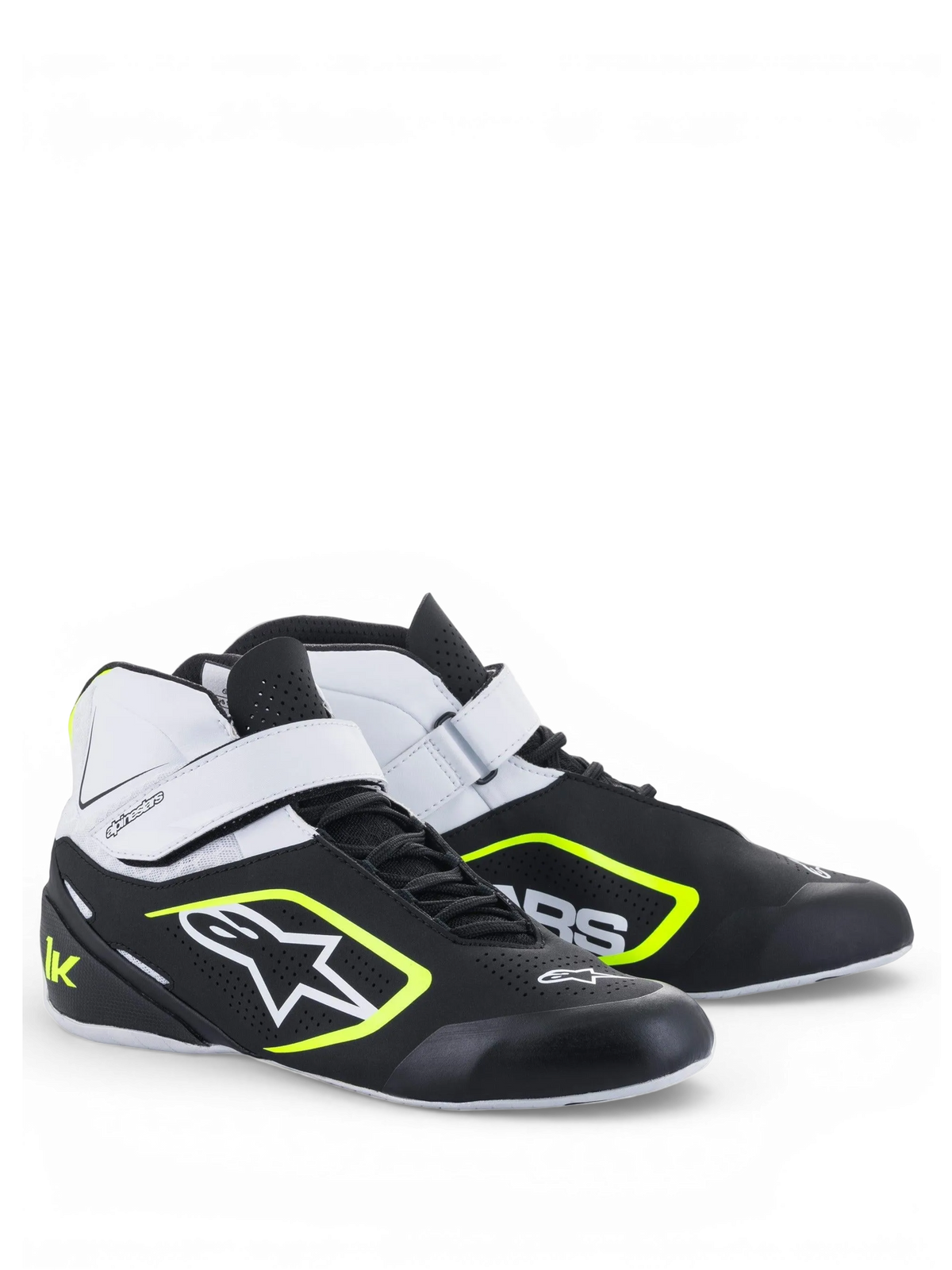
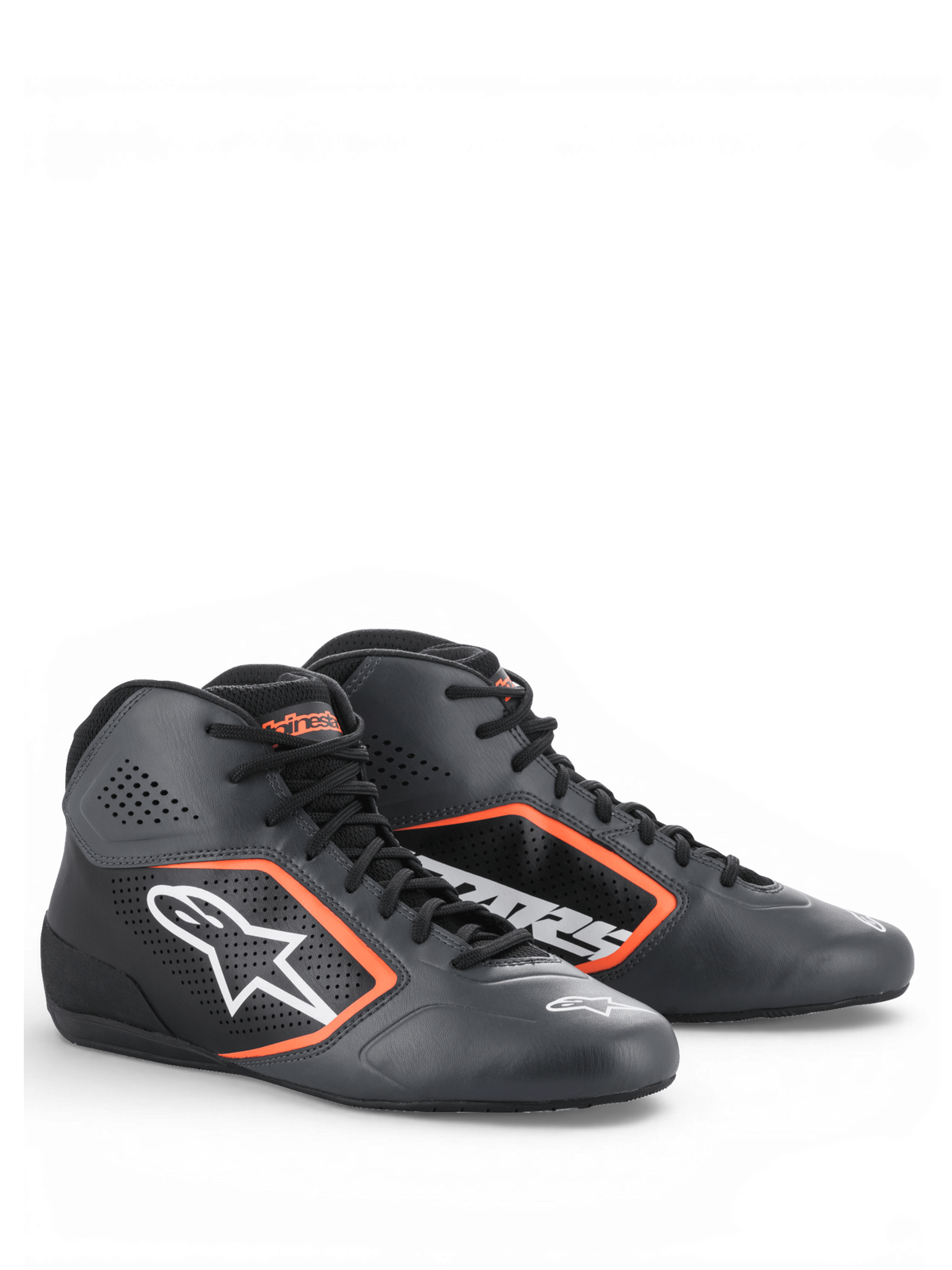
Tech-1 K V2 Shoes -
Youth Tech-1 K V2 Shoes -
Tech-1 K V2 Shoes -
Youth Tech-1 K V2 Shoes -
Tech-1 K V2 Shoes -
Tech-1 K V2 Shoes -
Tech-1 K V2 Shoes -
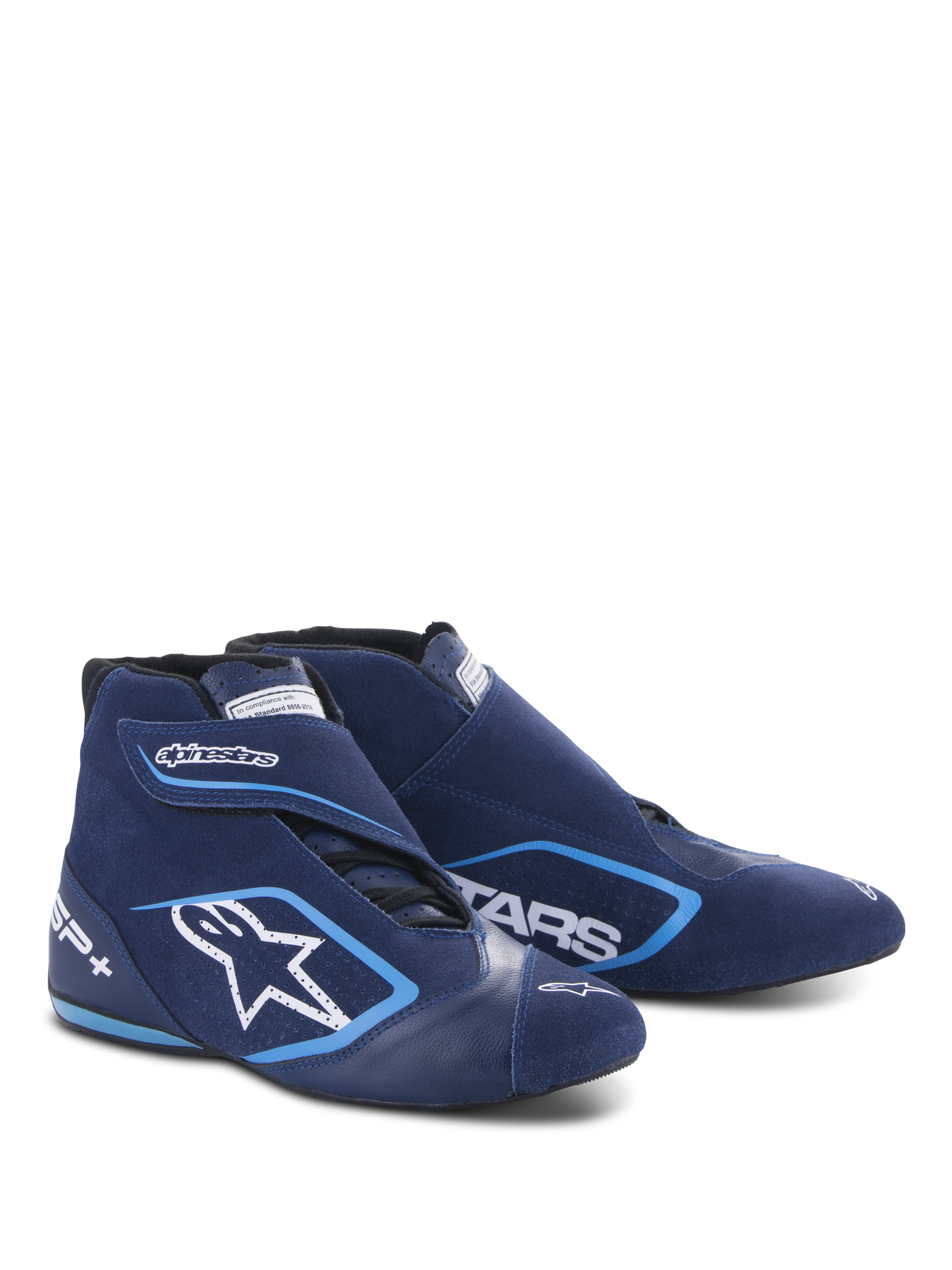
SP + Shoes N -
SP + Shoes N -
SP + Shoes N -
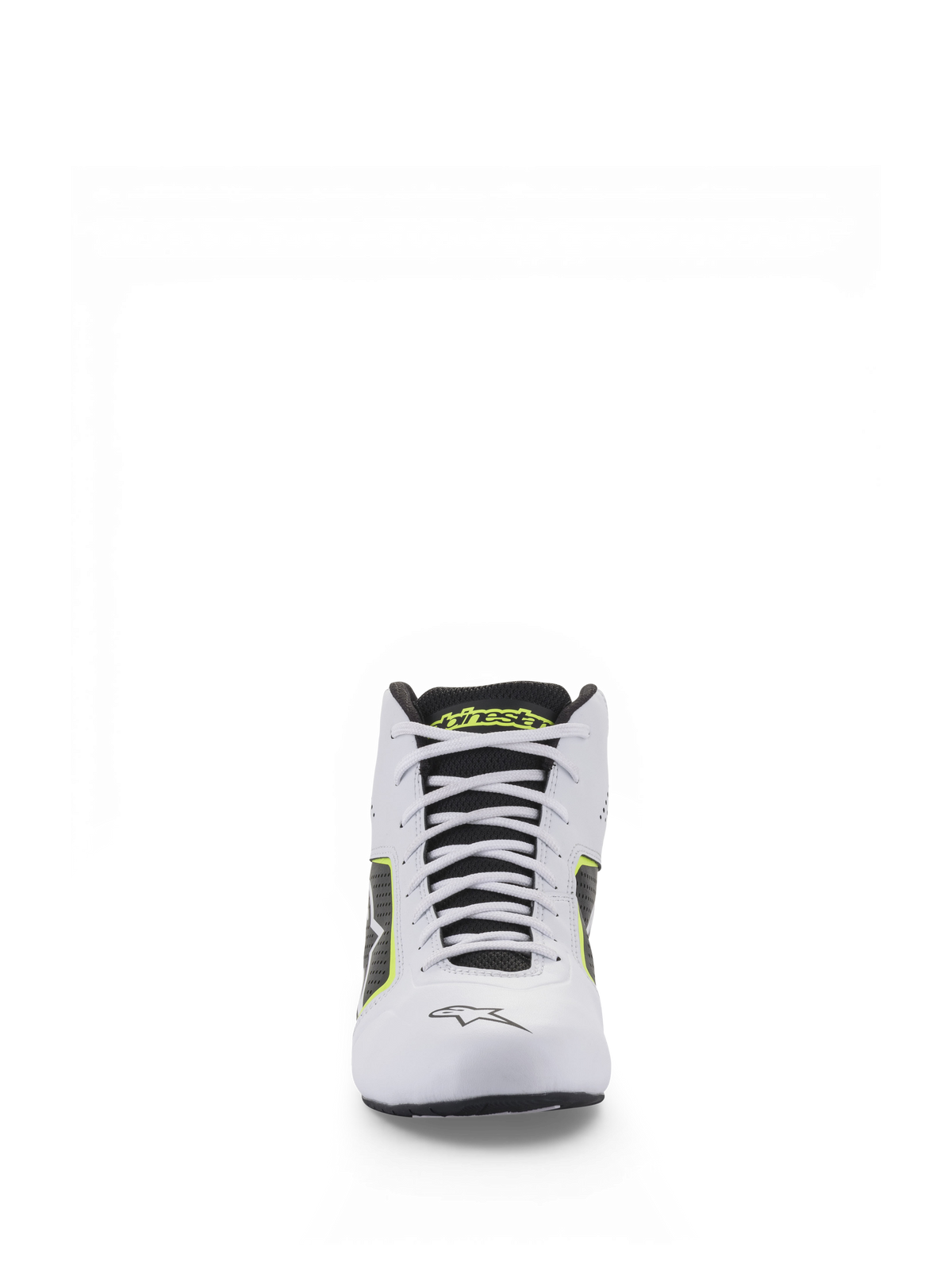
Tech-1 K Start V2 Shoes -
Tech-1 K Start V2 Shoes -
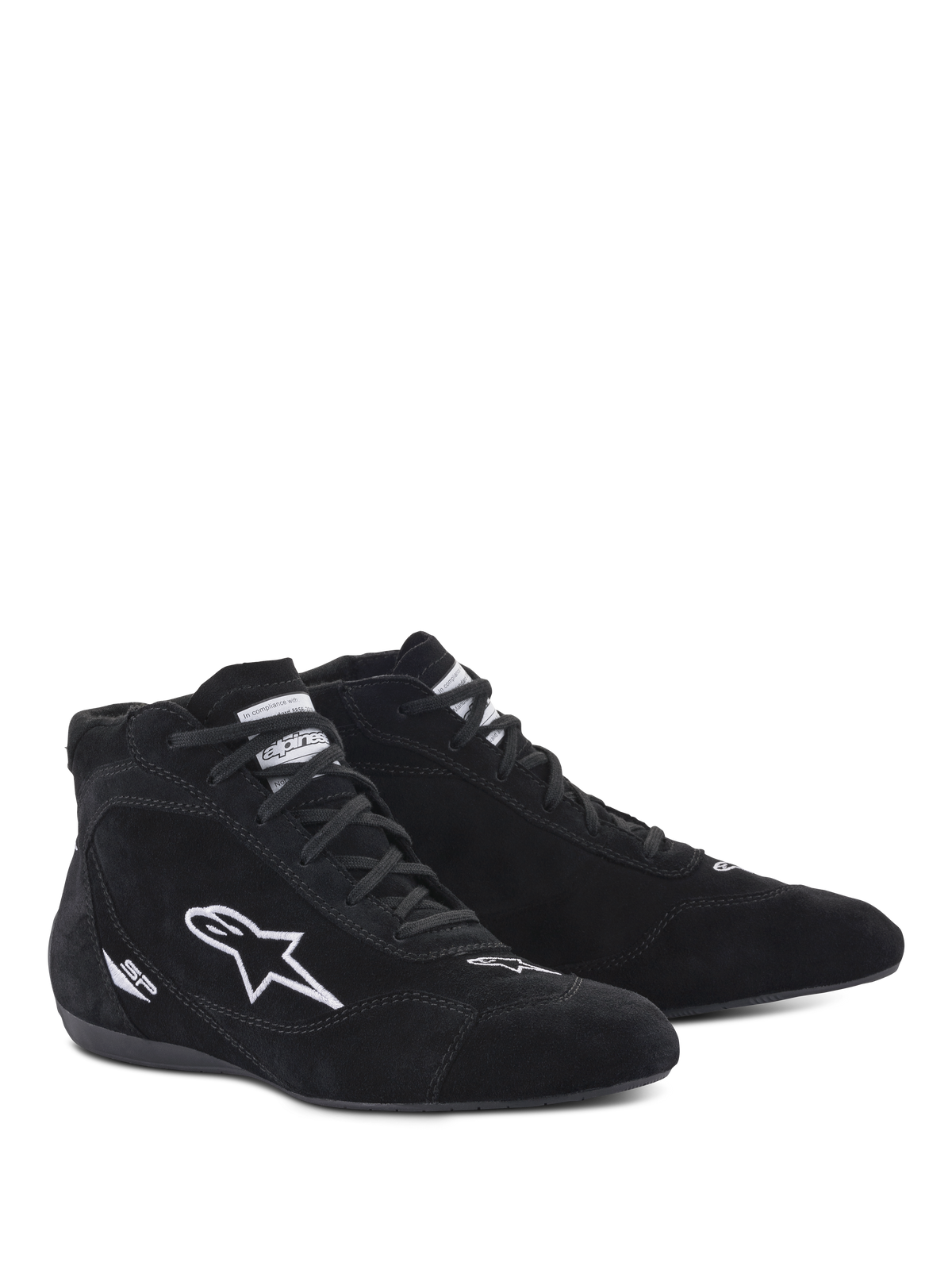
SP V2 Shoes -
Tech-1 KX V3 Shoes -
Radar Shoes














58 of 58 products
All products loaded
Frequently asked questions Hide FAQs
What are ankle support racing shoes designed for?
Ankle support racing shoes are built for auto racing and performance driving where stability, pedal feel, and cockpit control matter. In this collection, the focus is on mid-cut or higher-cut driving shoes that help support the ankle during braking, cornering, and long sessions behind the wheel.
Compared with ordinary sneakers, racing shoes are designed with thinner, motorsport-specific outsoles for better pedal sensitivity, secure heel hold, and fire-resistant constructions on competition-ready models. If you want to compare the wider category, browse our auto footwear collection.
How should ankle support car shoes fit?
They should fit snugly around the heel, midfoot, and ankle without creating pressure points or restricting circulation. A secure fit helps keep the foot stable under braking and steering inputs, while the toe box should still allow natural movement and feel on the pedals.
For best results, try them with the socks you normally use for driving. If you are between sizes, consider how much room you need for comfort over longer stints, but avoid an overly loose fit that can reduce control and ankle stability.
Are ankle support racing shoes FIA or SFI certified?
Some shoes in this category may carry FIA or SFI certification, but certification depends on the specific model and intended use. In motorsport, FIA homologation is commonly required for many international and professional categories, while SFI approval is often relevant in US-based racing series.
Always check the product page and your series regulations before buying. The certification label inside the shoe is the key reference for competition use, and non-certified driving shoes should not be assumed legal for sanctioned racing.
What features should I look for in ankle support racing shoes?
The main features are ankle stability, precise pedal feel, grip on metal pedals, and heat- and abrasion-resistant construction. Many riders and drivers also look for secure lacing systems, reinforced heel structure, and lightweight materials that reduce fatigue during longer sessions.
For competition-focused use, it also helps to look for fire-resistant materials, a thin sole for sensitivity, and a shape that locks the heel in place without making the ankle overly stiff. The best option depends on whether you need track-day comfort, club-racing compliance, or professional-level race protection.
How do I clean and care for ankle support racing shoes?
Clean them with a soft cloth or brush after use to remove dust, rubber, and debris from the upper and outsole. If needed, use mild soap with minimal water, then let the shoes air dry naturally away from direct heat, radiators, or dryers.
Avoid harsh chemicals, soaking, or aggressive washing methods, especially on fire-resistant materials and bonded performance constructions. Regular cleaning and full drying help preserve grip, fit, and material integrity over time.