
53 results
-
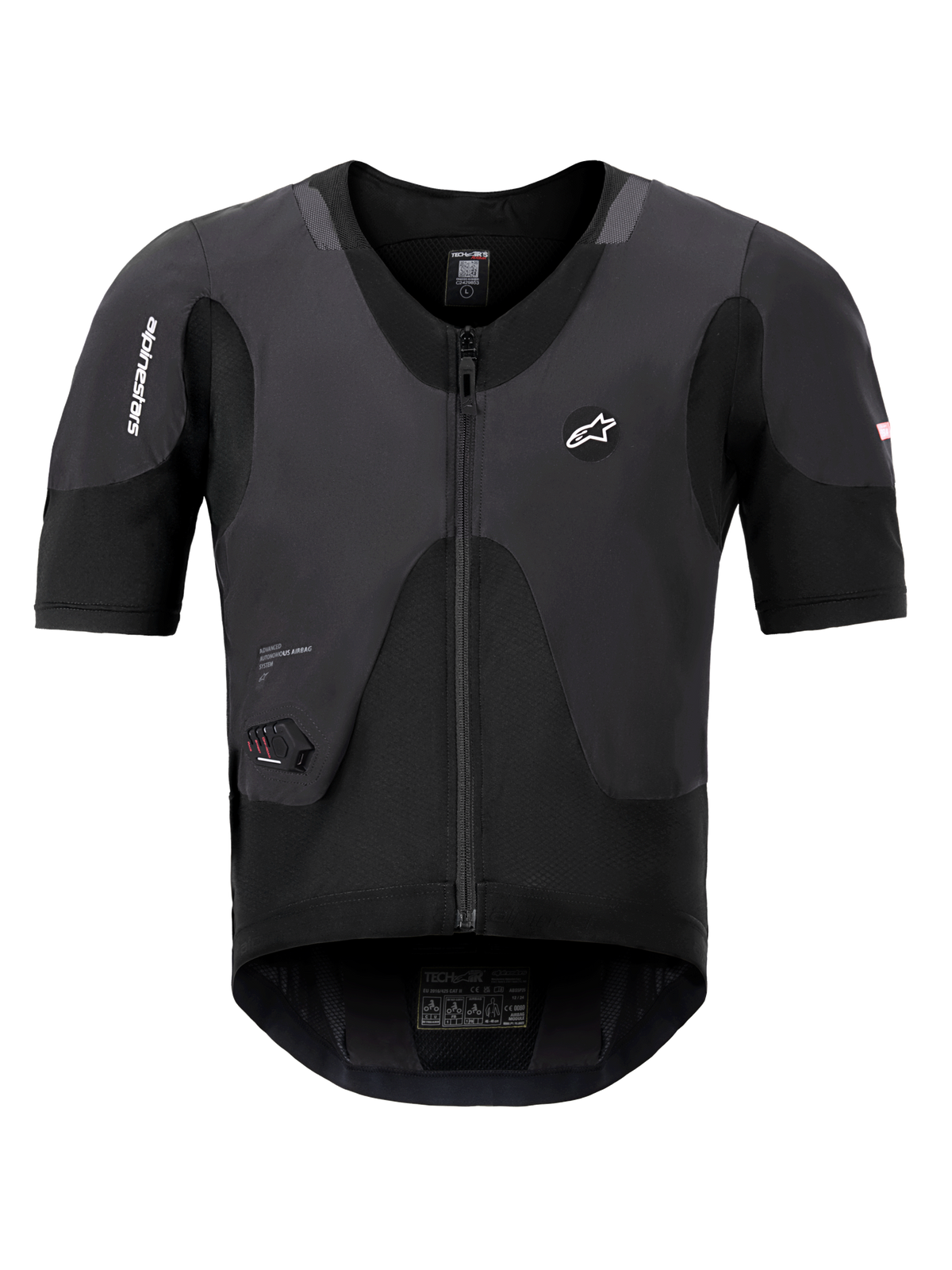
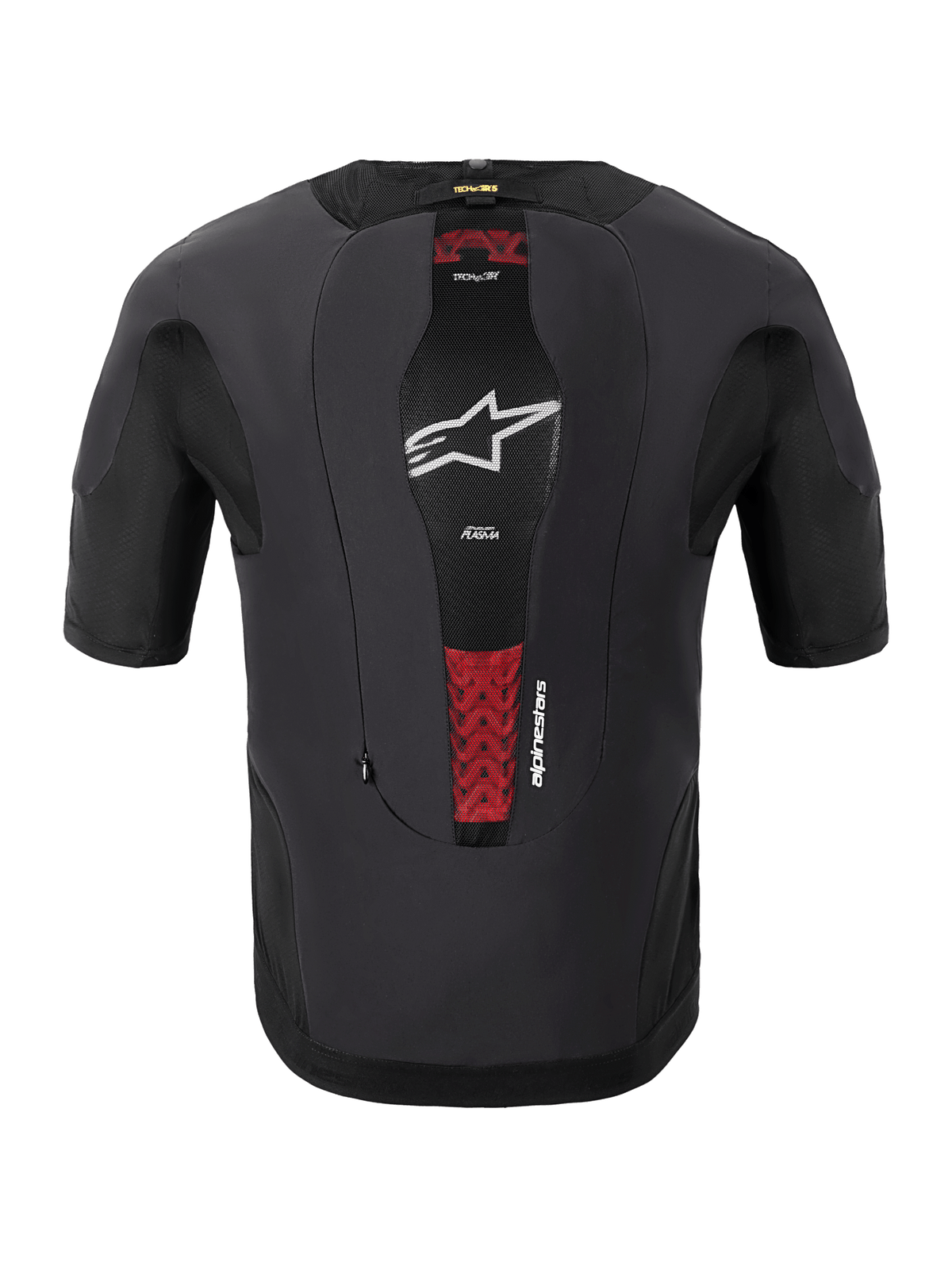
Tech-Air® 5 Plasma System -
Tech-Air® 10 V2 Race Airbag System -
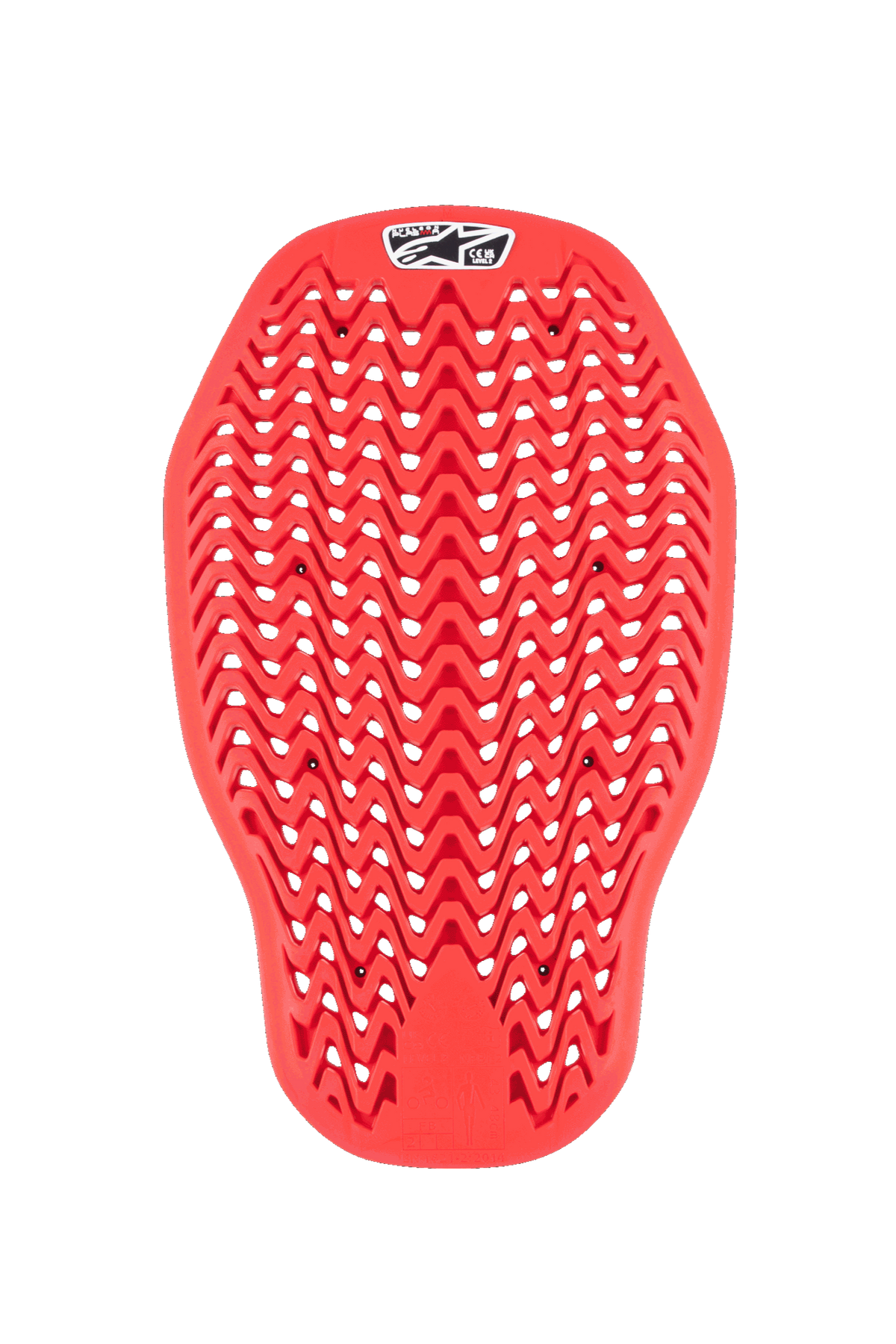
Nucleon Plasma Full Back Protector Insert -
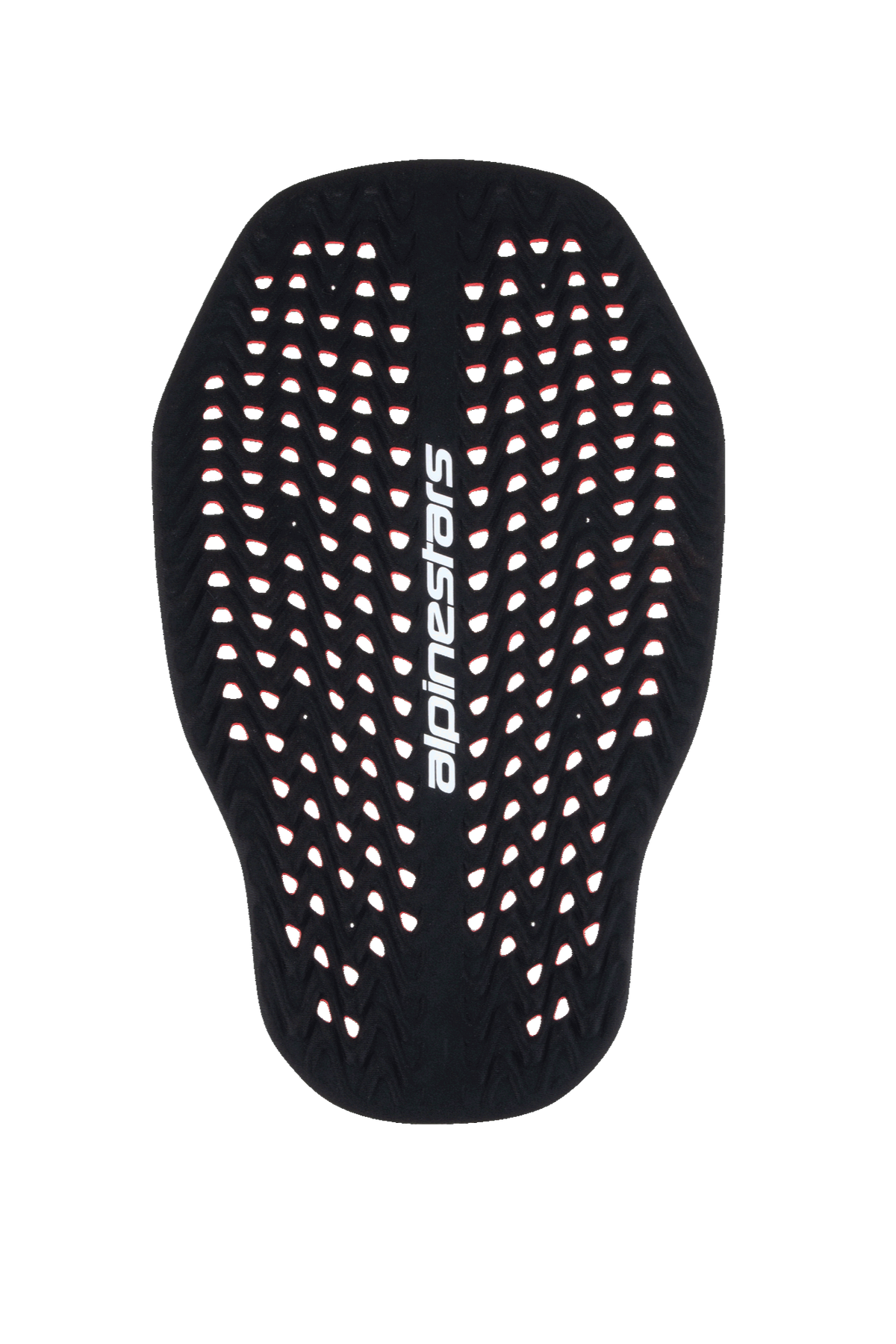
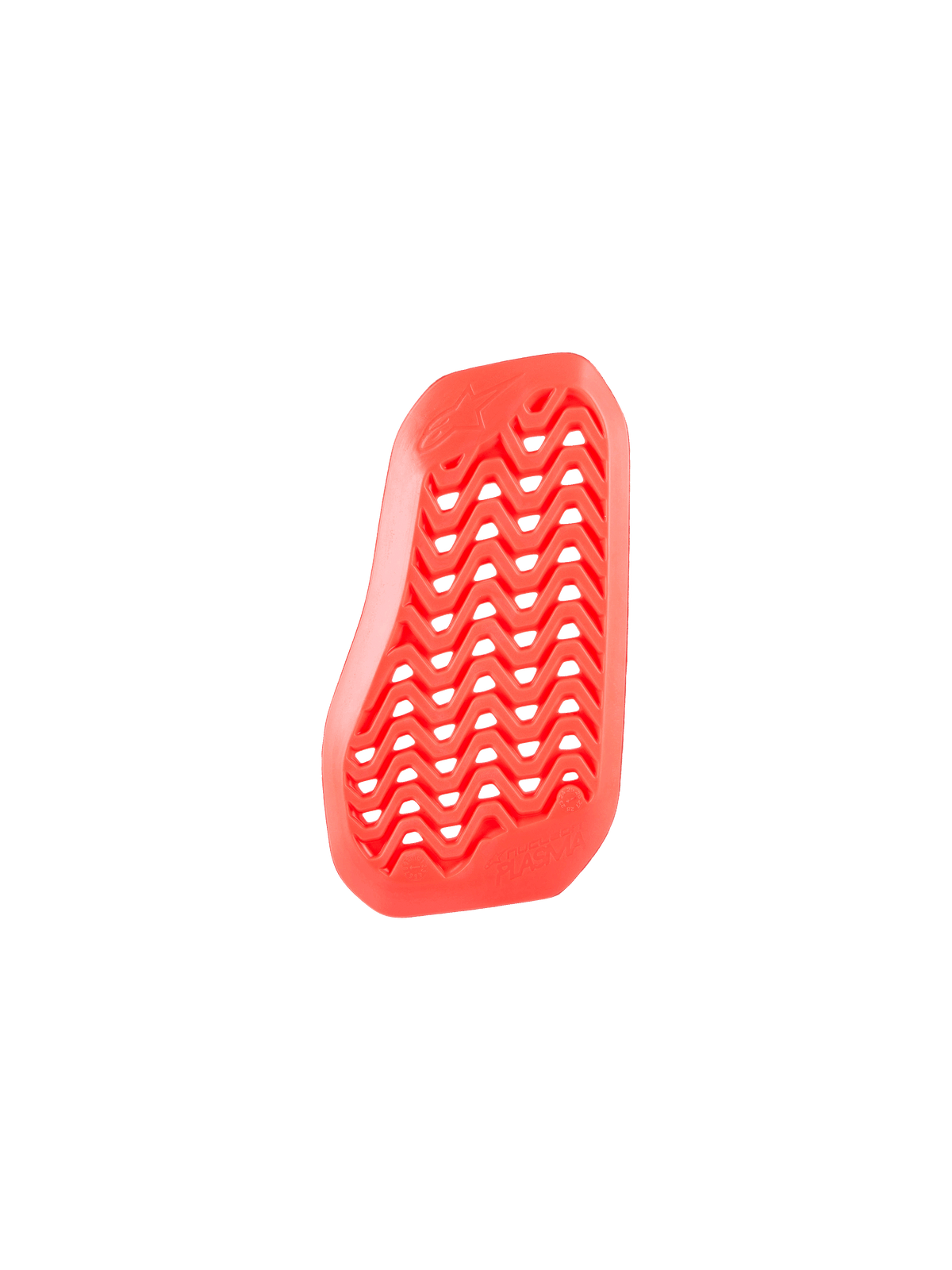
Nucleon Plasma Back Protector Insert -
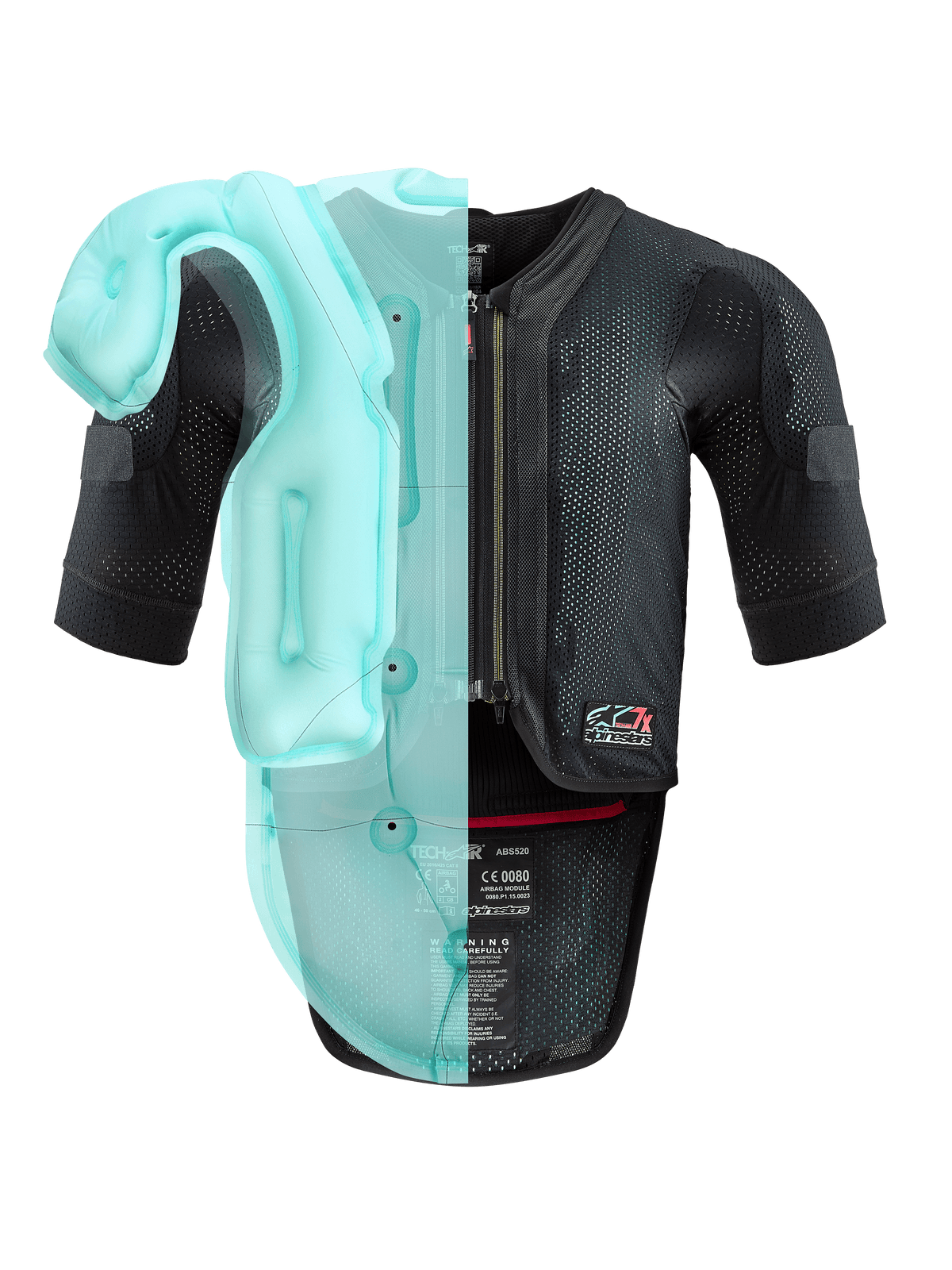
Tech-Air® 7X System -
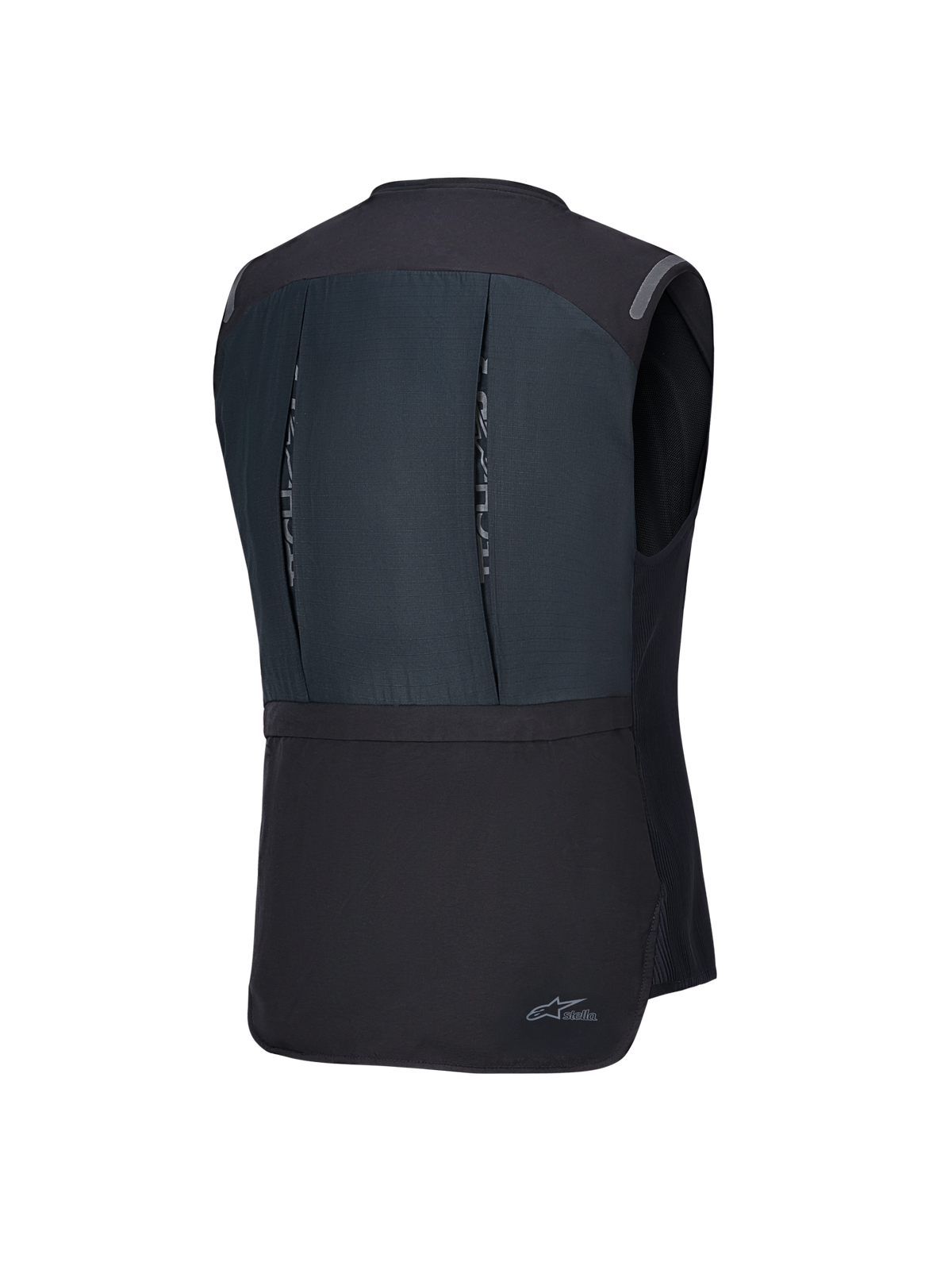
Stella Tech-Air® 3 V2 System -
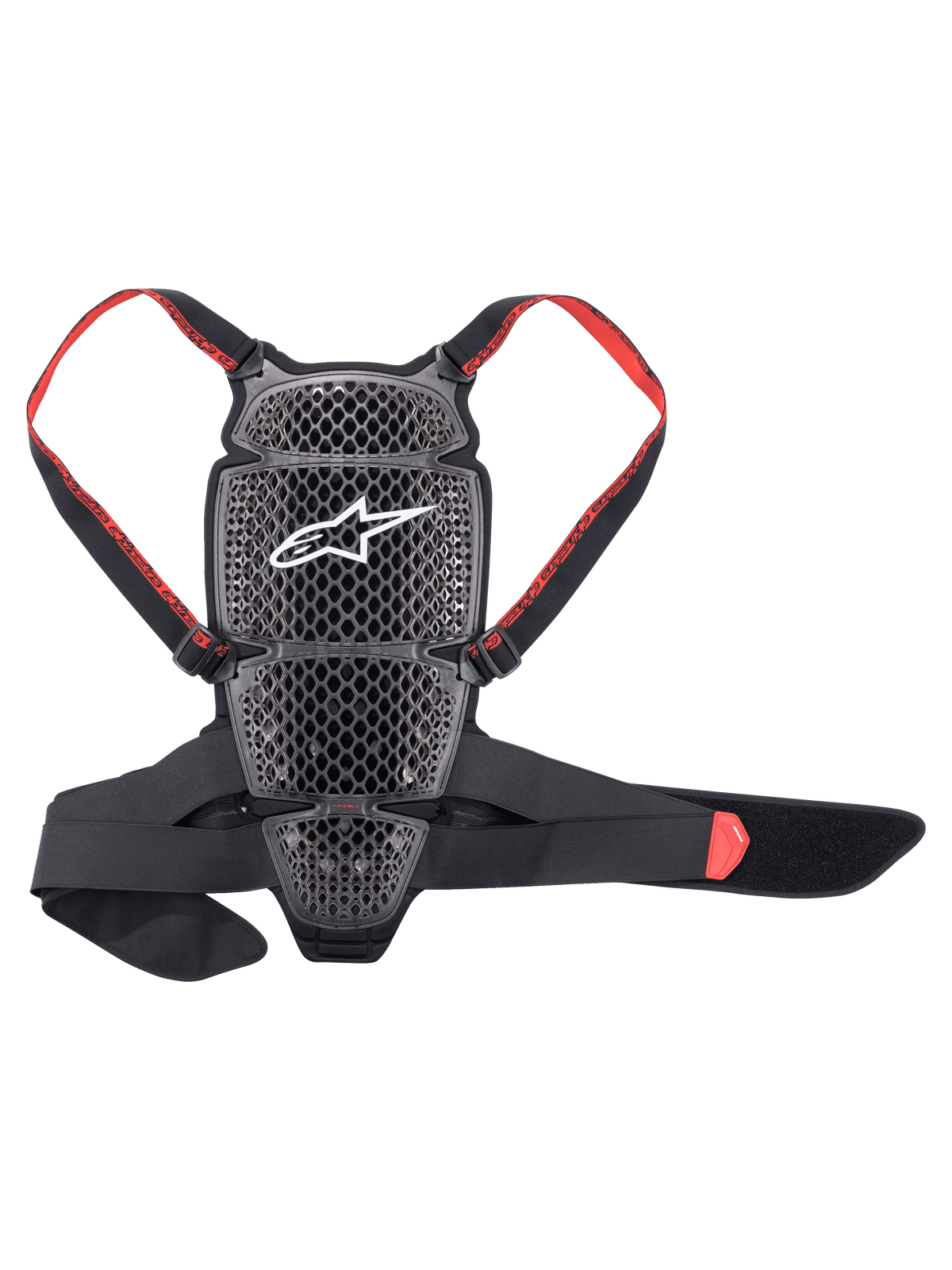
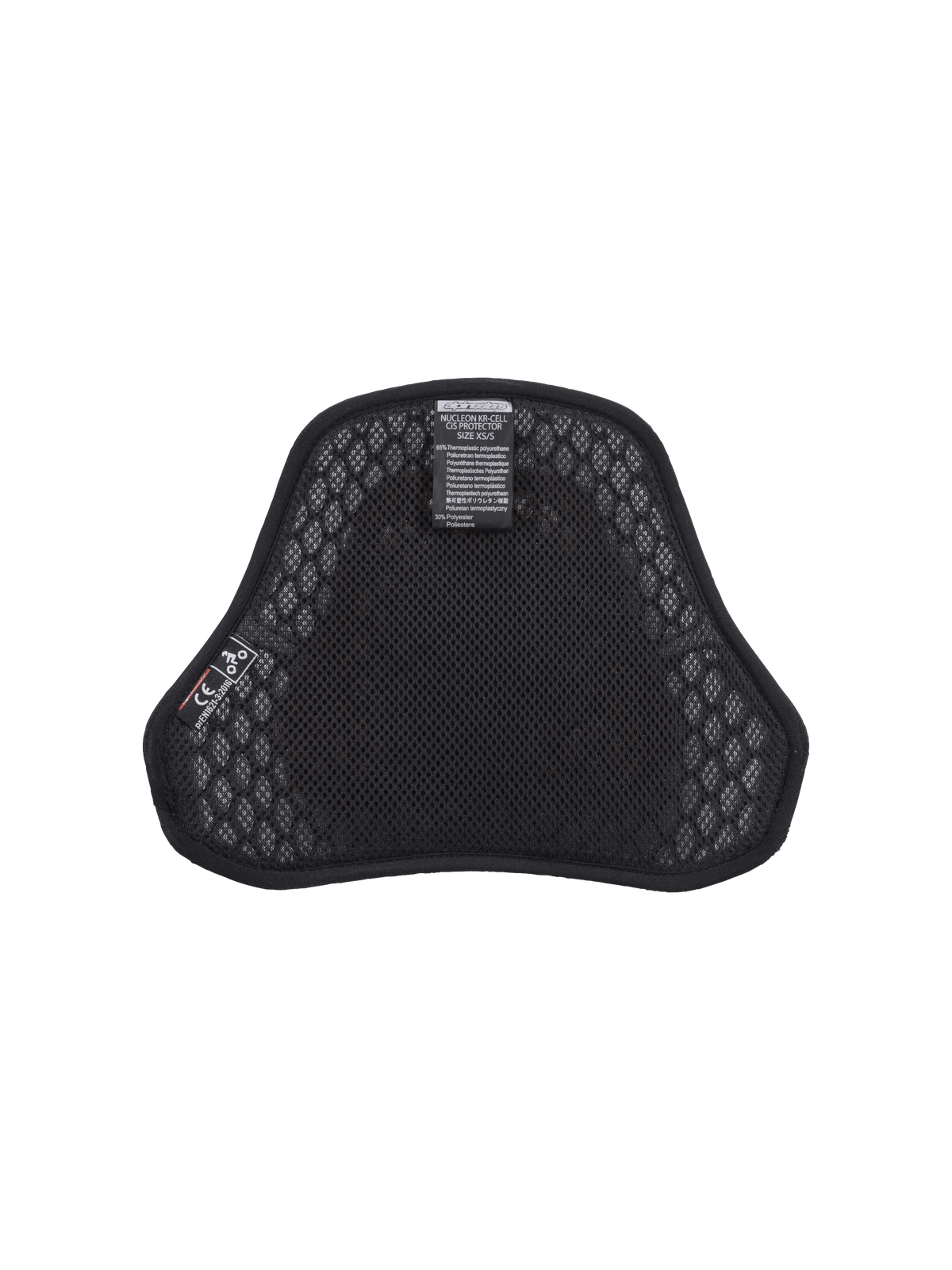
Nucleon Kr-Cell Protector -
Nucleon Kr-2 Back Protector -
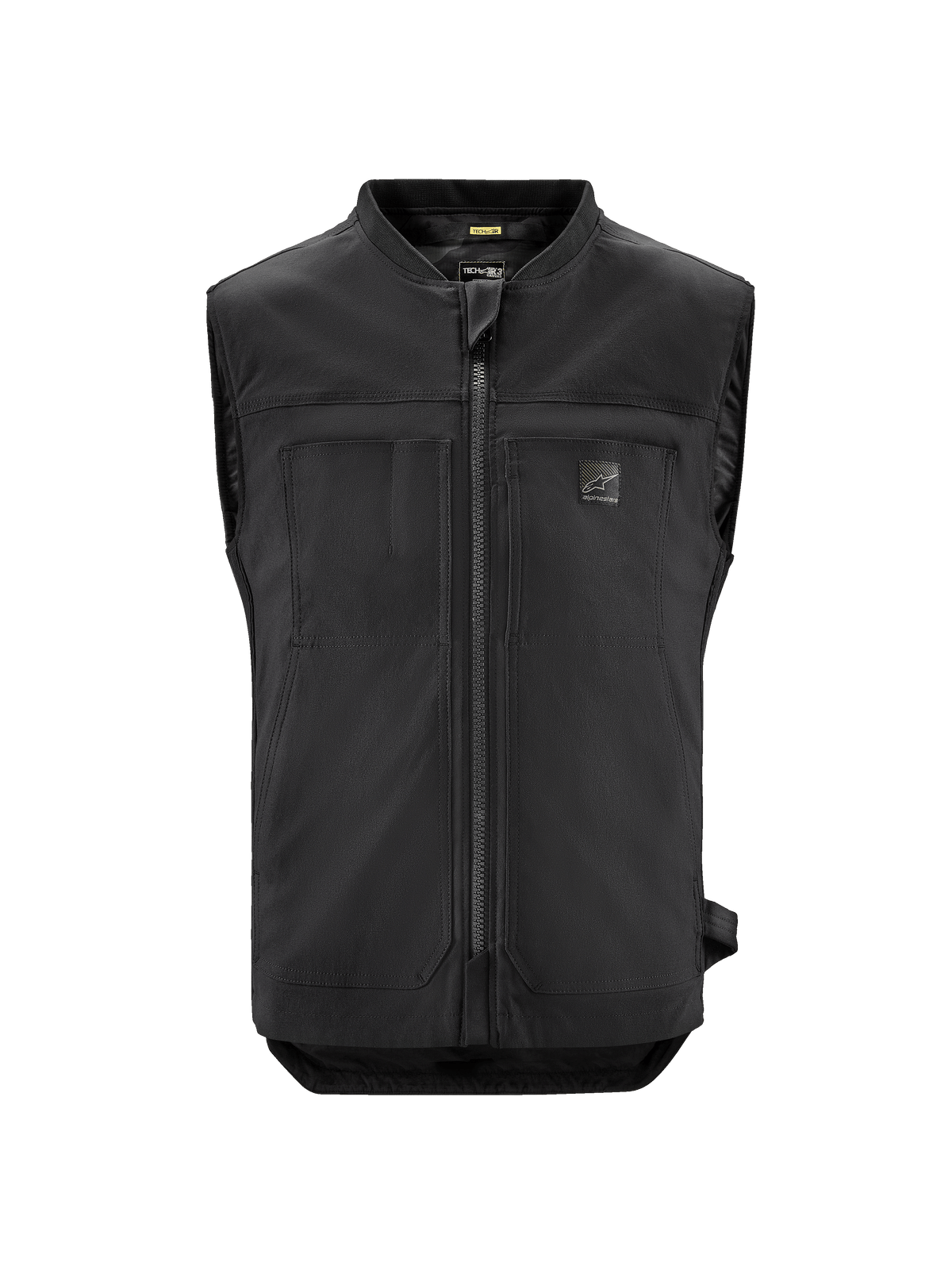
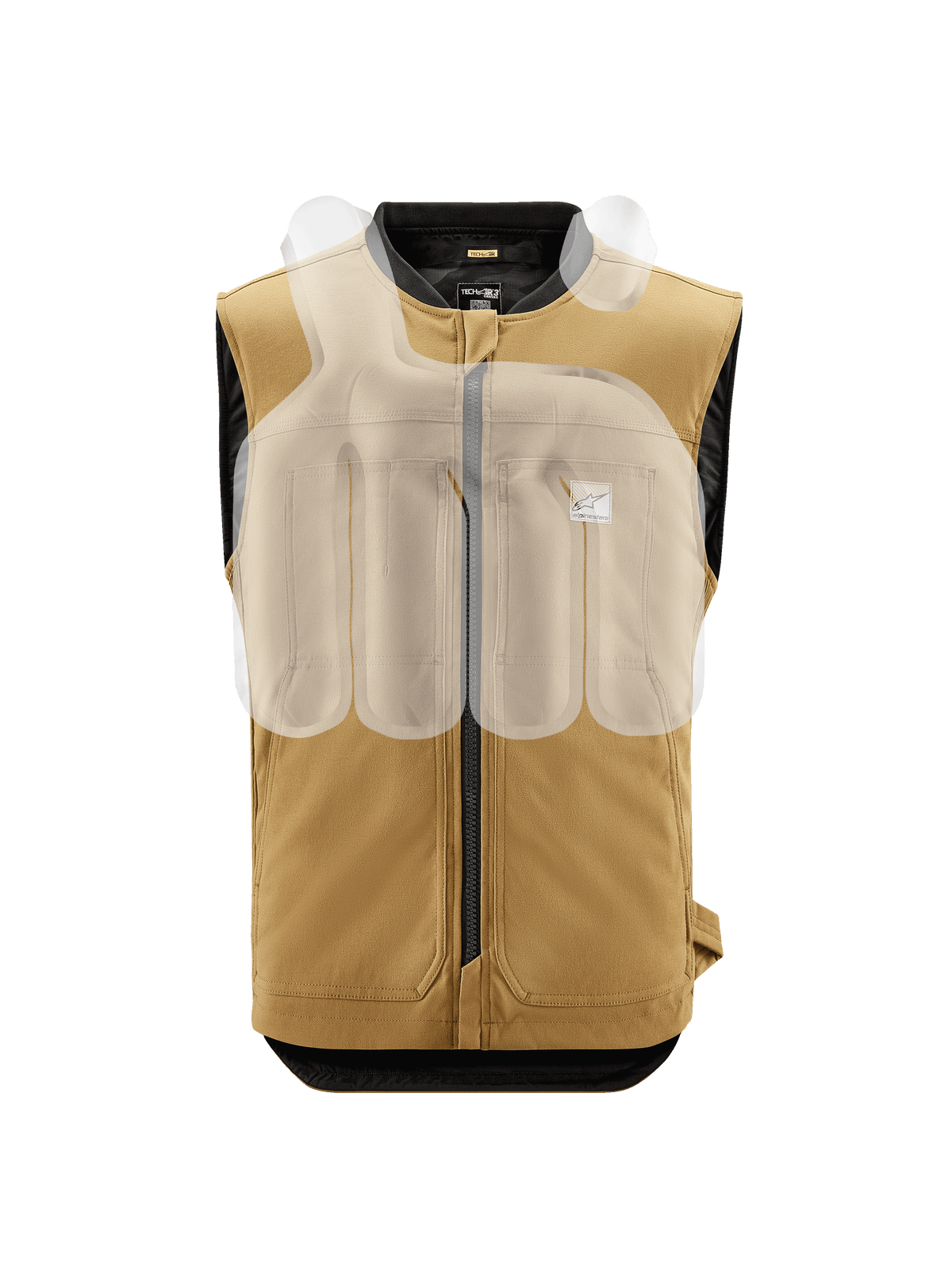
Tech-Air® 3 V2 Canvas System -
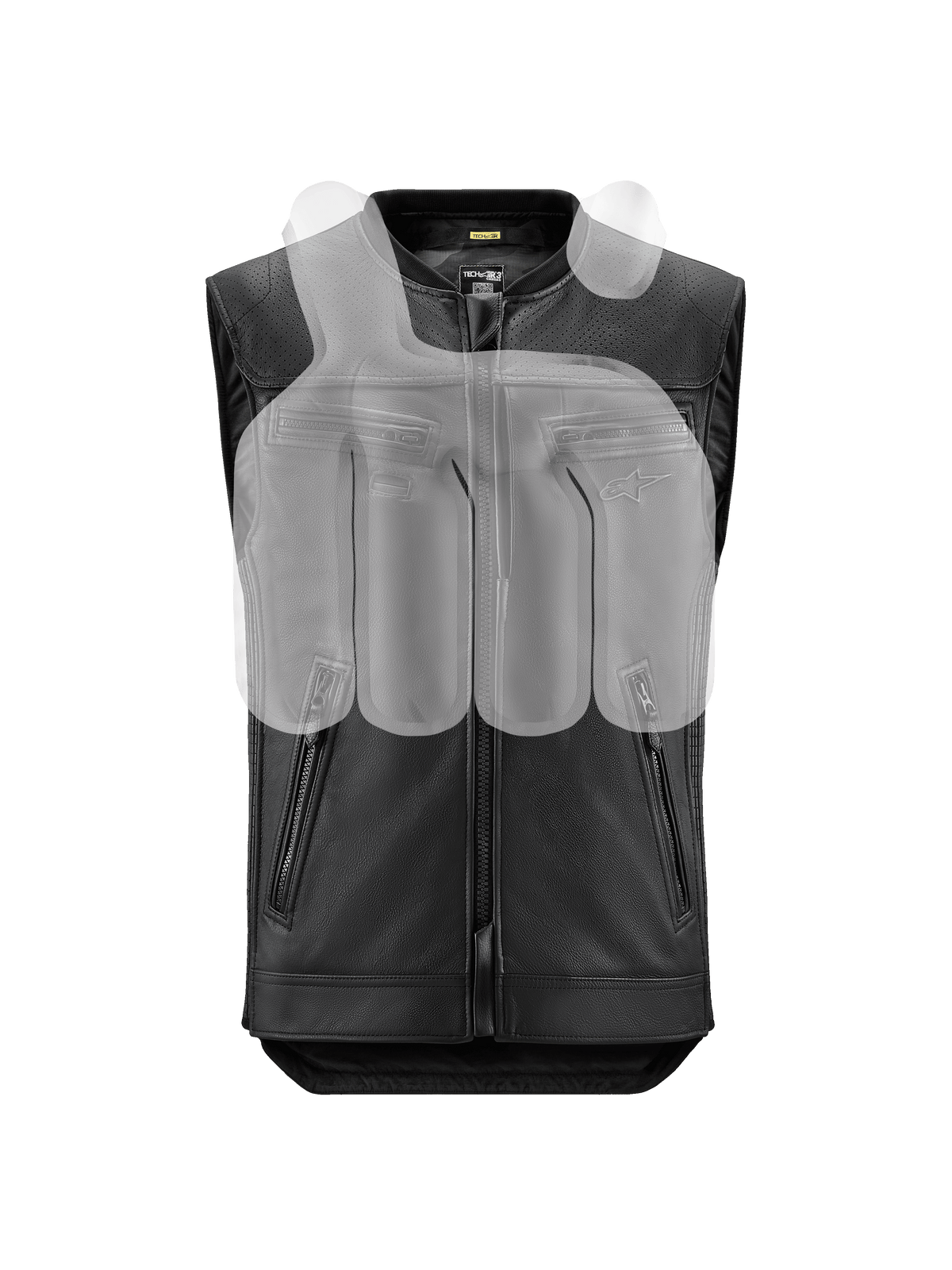
Tech-Air® 3 V2 Leather System -
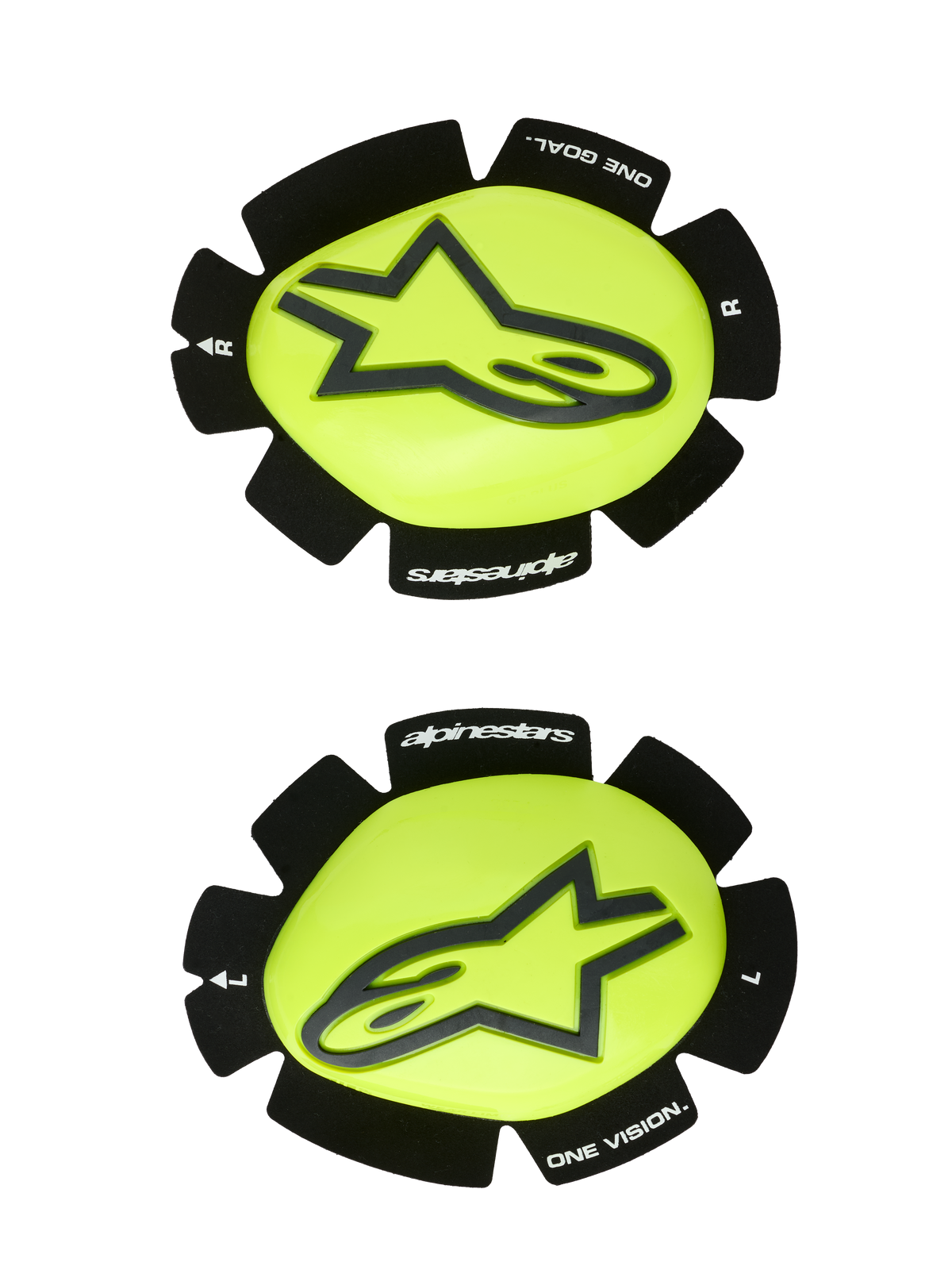
GP Plus Knee Slider -
GP Tech Knee Slider -
Tech-Air® 3 V2 Canvas System -
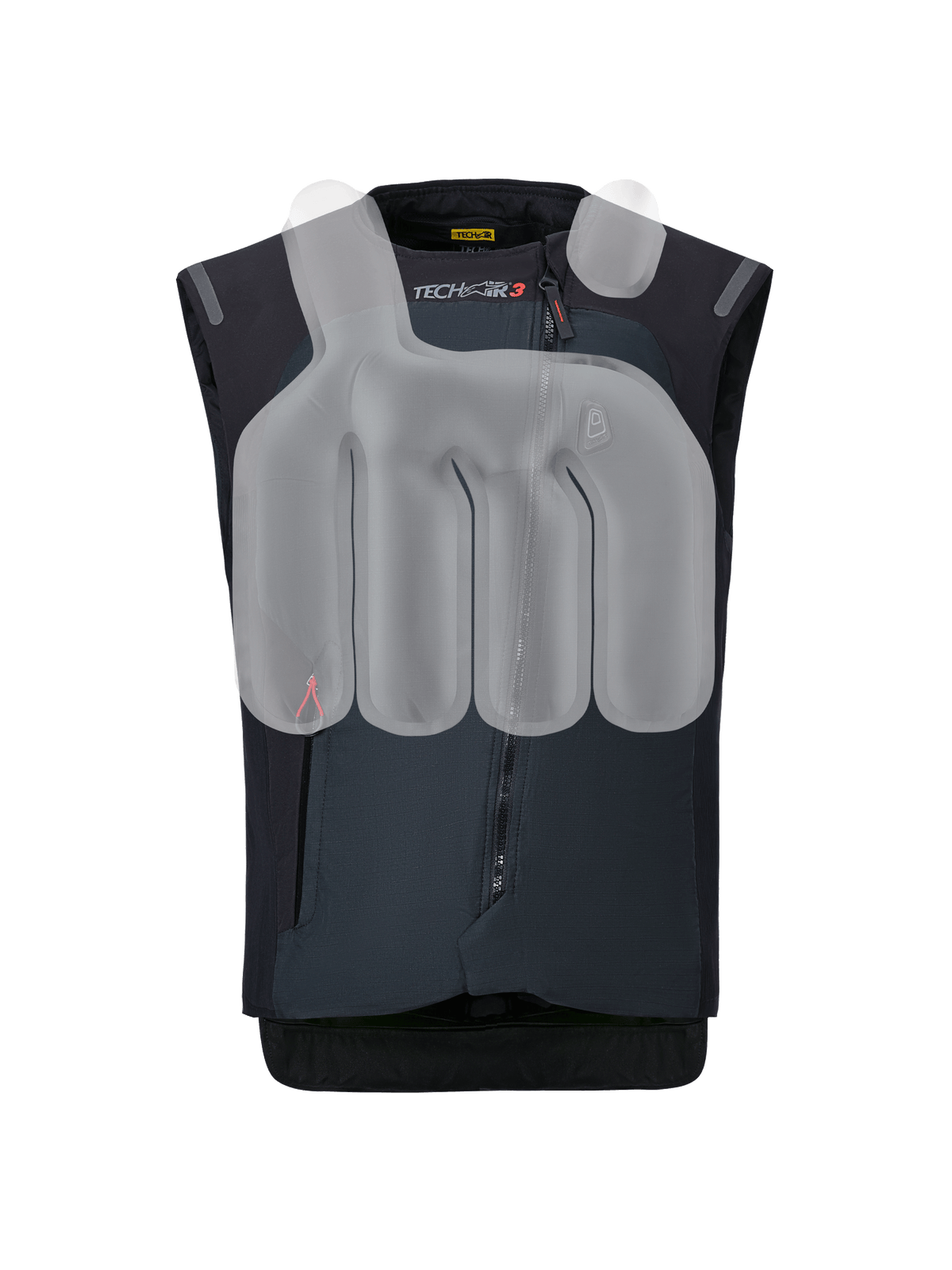
Tech-Air® 3 V2 System -
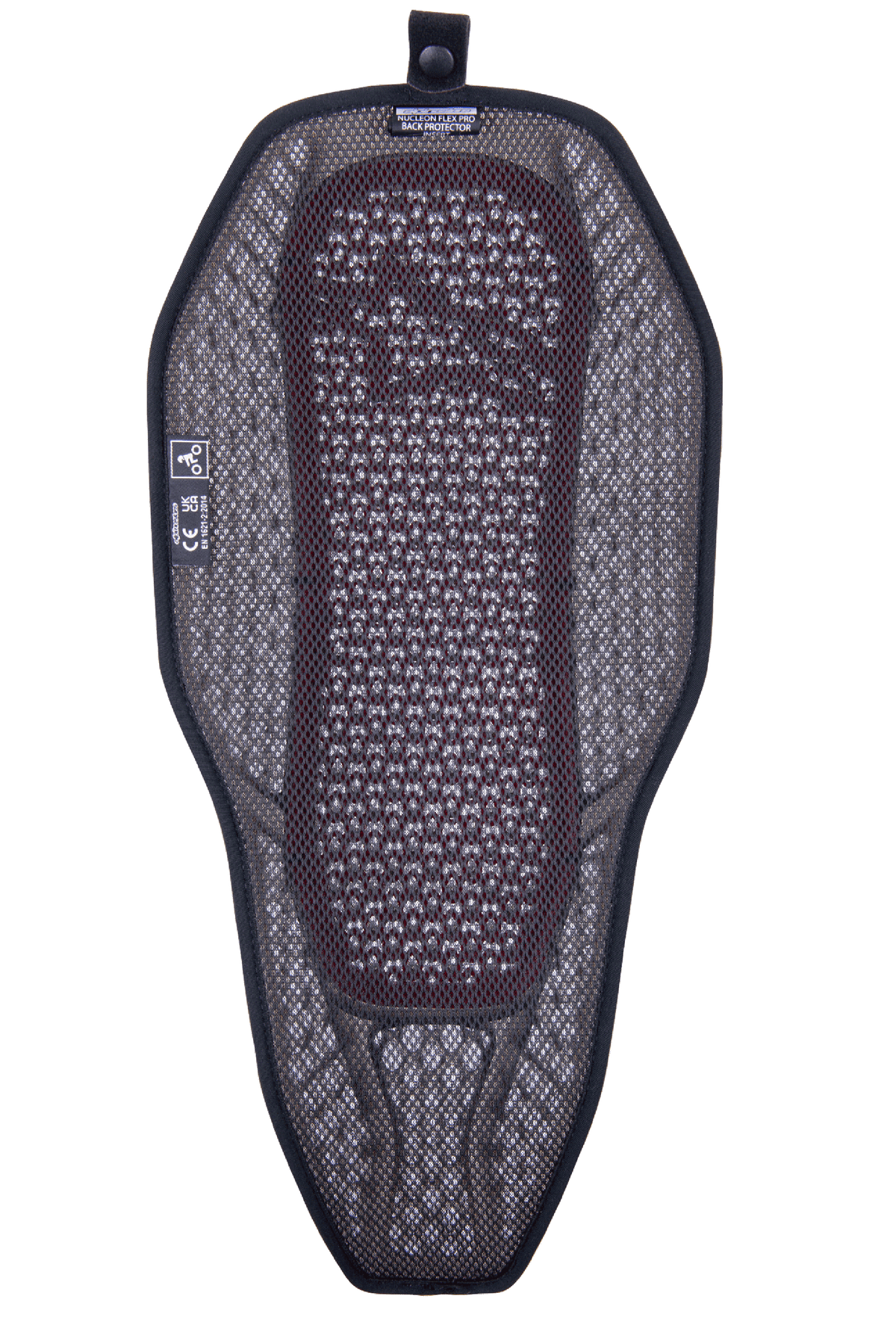
Nucleon Flex Pro Full Back Protector Insert -
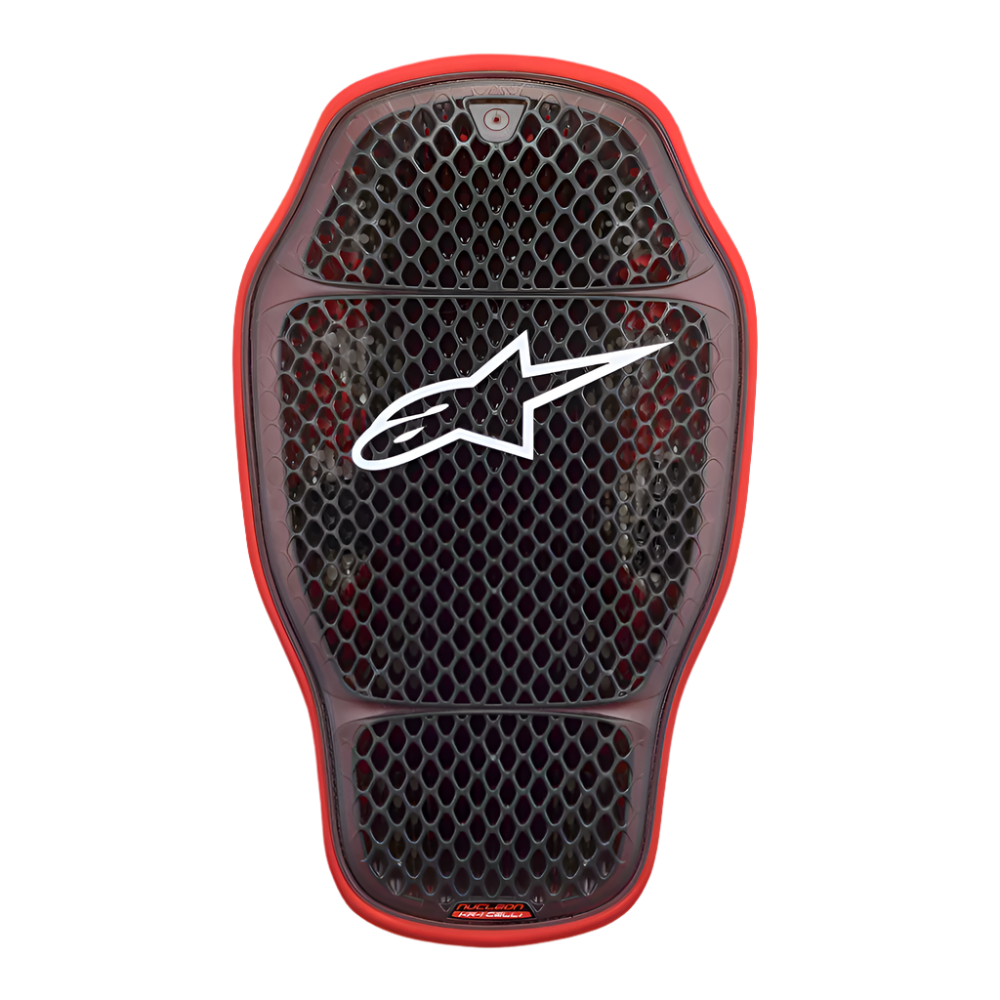
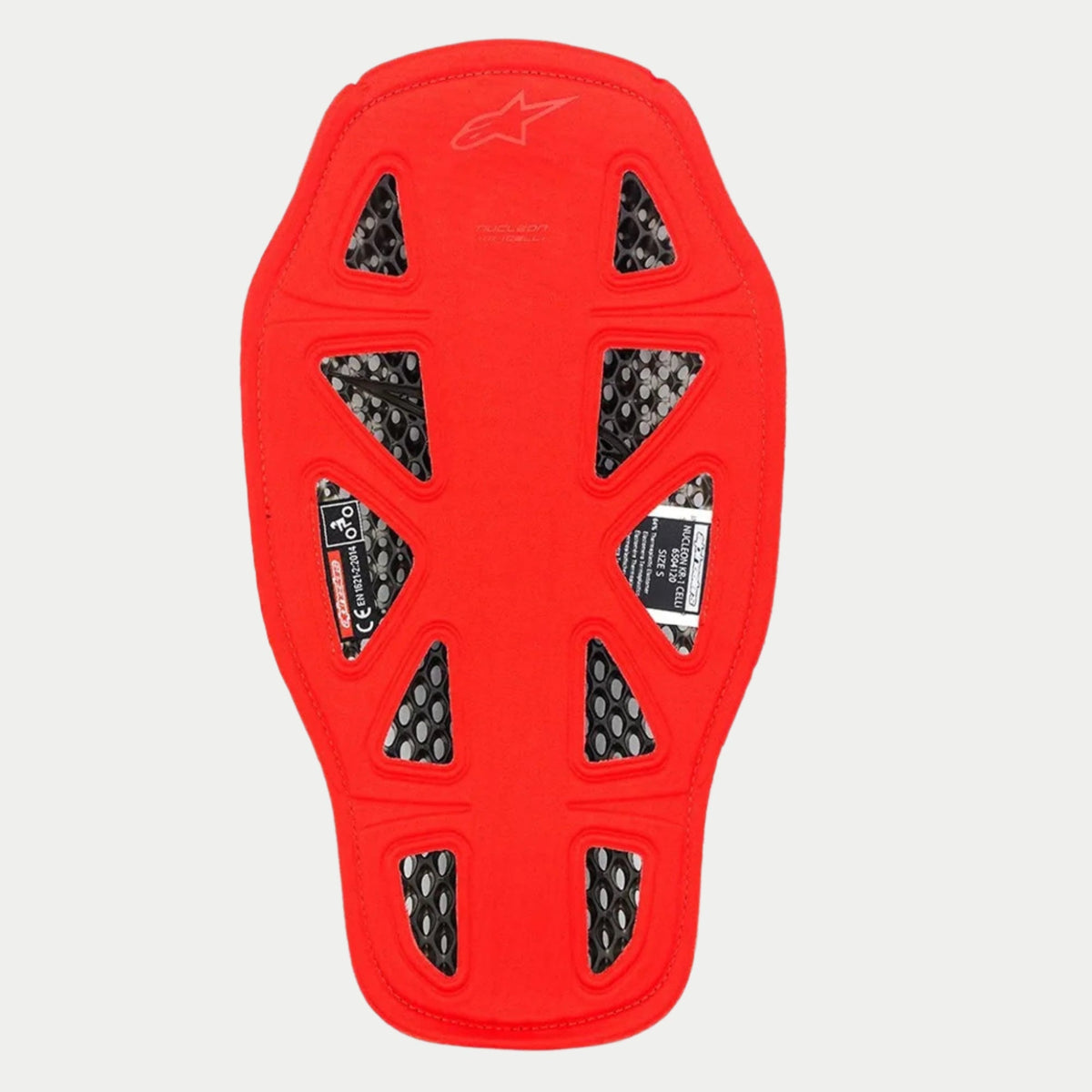
Nucleon KR-1 CELLi Back Protector -
Tech-Air® 3 V2 System -
Tech-Air® 5 System -
Nucleon Morph STEALTH Hip Protectors -
Nucleon Morph STEALTH Knee Protector -
Nucleon Plasma Divided Chest Protector -
Nucleon Plasma Full Chest Protector Insert -
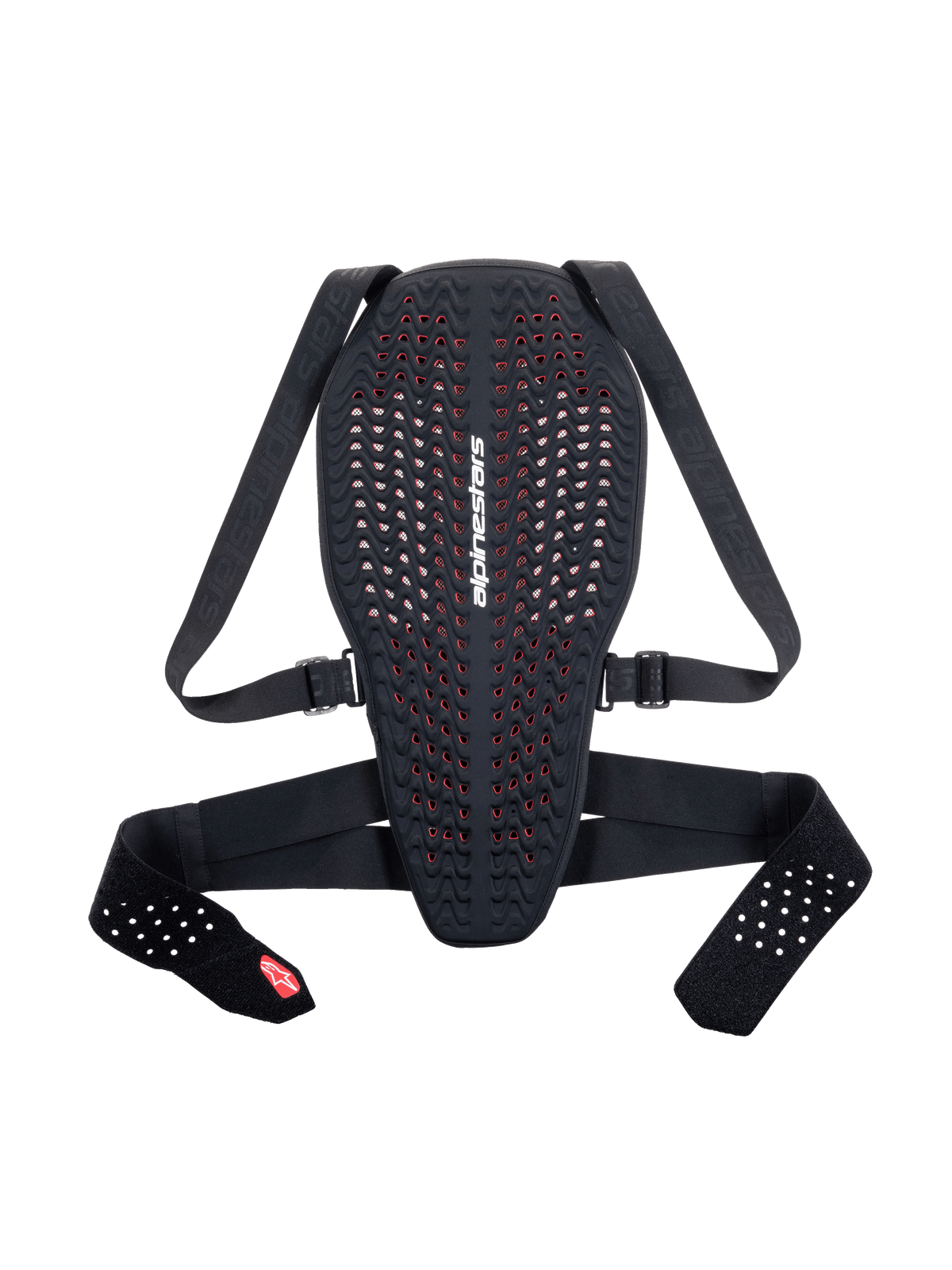
Nucleon Plasma Back Protector -
Nucleon Kr-2 Back Protector -
GP Plus Knee Slider -
GP Plus Knee Slider -
Nucleon Kr-3 Back Protector -
Youth Nucleon Kr-Y Back Protector -
GP Tech Knee Slider -
GP Plus Knee Slider -
Nucleon Kr Cell Ci S -
Nucleon Plasma Full Chest Protector Hook and Loop -
Nucleon KR Cell Cir Protectors -
Nucleon Kr-C Chest Harness -
Nucleon KR-1 Cell Back Protector -
Nucleon KR-CELLi Back Protector Insert































Frequently asked questions Hide FAQs
What do CE Level 1 and Level 2 mean for motorcycle body protectors?
CE levels indicate how much impact force a protector allows to pass through under EN testing. Level 2 permits less transmitted force than Level 1, offering a higher impact‑attenuation threshold when correctly fitted.
| Standard | Area | Level 1 (max avg force) | Level 2 (max avg force) |
|---|---|---|---|
| EN 1621‑1 | Shoulder, elbow, hip, knee (limbs) | ≤ 35 kN | ≤ 20 kN |
| EN 1621‑2 | Back | ≤ 18 kN | ≤ 9 kN |
| EN 1621‑3 | Chest | ≤ 18 kN | ≤ 9 kN |
Choose the level that matches your riding and comfort needs. Higher levels can be thicker or firmer; ensure proper fit so protection stays correctly positioned on the bike.
How do I choose the right size and fit for a back or chest protector?
Use your height and torso/chest measurements and refer to the size guidance on each product page. A back protector should cover from the upper spine between the shoulder blades toward the tailbone without interfering with seat contact; a chest protector should center over the sternum and rib cage without gaps.
Try protectors in a riding stance with the layers you plan to wear. Adjust straps so the protector is secure but not restrictive, and ensure it stays in place when you reach for the controls or look over your shoulder.
Can I wear a body protector under my jacket or with a Tech‑Air airbag system?
Most road protectors are designed to be worn under a riding jacket or suit. If your outerwear has removable armor pockets, you can use standalone protectors underneath, ensuring there is enough room for correct placement and mobility.
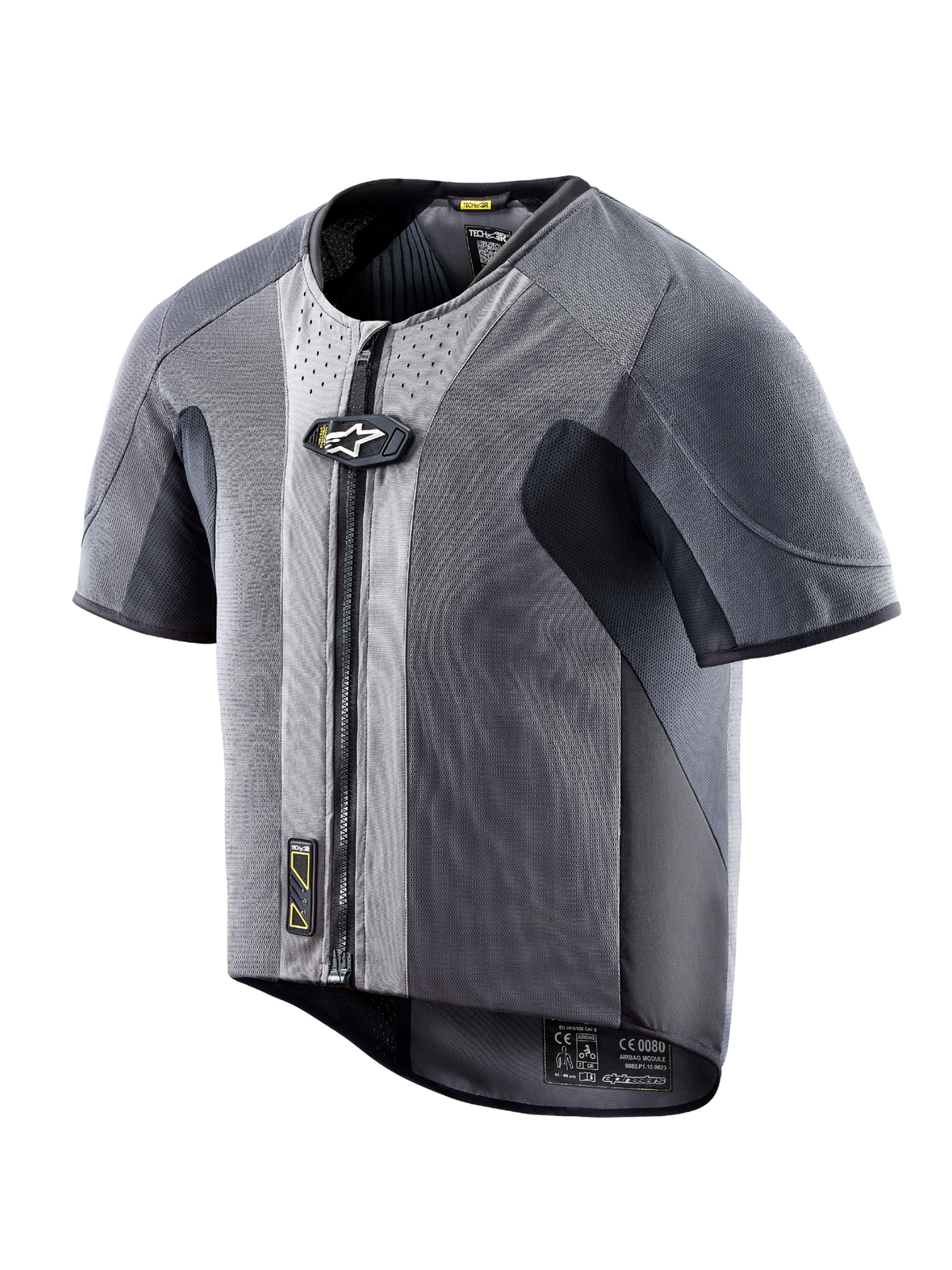
For airbag use, wear only garments and layers that are clearly marked as “Tech‑Air Compatible/Ready,” and follow system instructions. Avoid adding rigid shells over an airbag unless the specific system allows it. For more details, see Tech‑Air systems and the Tech‑Air compatibility checker.
What’s the difference between soft armor, hard‑shell armor, and roost deflectors?
Soft, viscoelastic armor molds to the body and stiffens momentarily on impact to absorb energy; it’s low‑profile for road and urban use. Hard‑shell armor combines rigid plates with energy‑absorbing foam for added puncture and slide resistance, commonly used in off‑road and high‑debris environments.
Roost deflectors (often tested to EN 14021) are primarily stone/roost shields for motocross and may not provide CE‑certified impact attenuation for the chest or back. For impact protection, look for EN 1621‑3 (chest) and EN 1621‑2 (back). Explore category options in motorcycle chest protection and MX protection.
How should I clean and care for motorcycle body protectors?
Remove protectors from garments before washing outerwear. Wipe protectors with a damp cloth and mild soap; do not use solvents, bleach, or high heat. Air dry away from direct sunlight or heaters and avoid prolonged compression that can deform pads.
Inspect protectors regularly and after any crash. Replace units that are cracked, permanently deformed, or no longer seat correctly in your gear.