
31 results
-
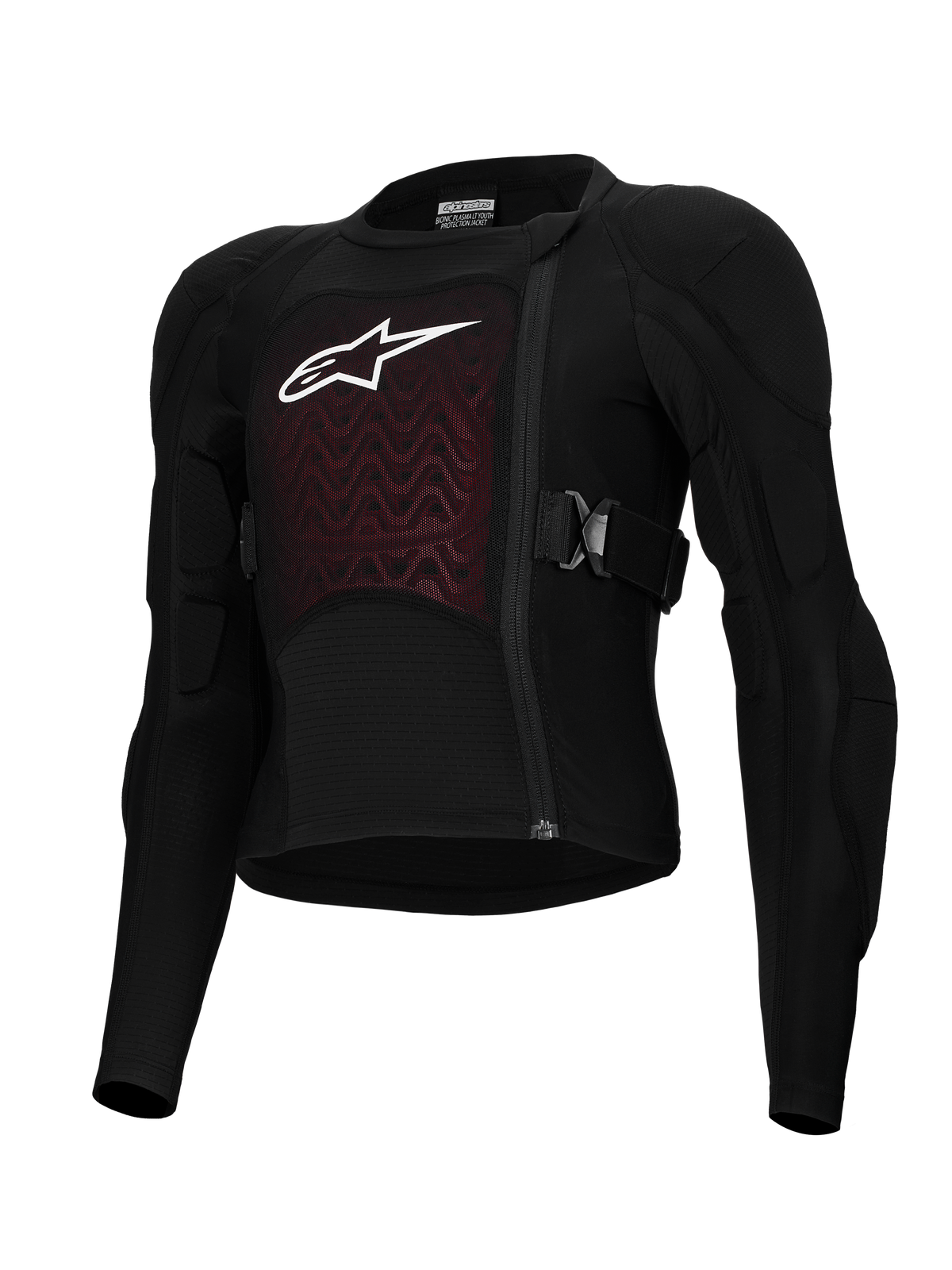
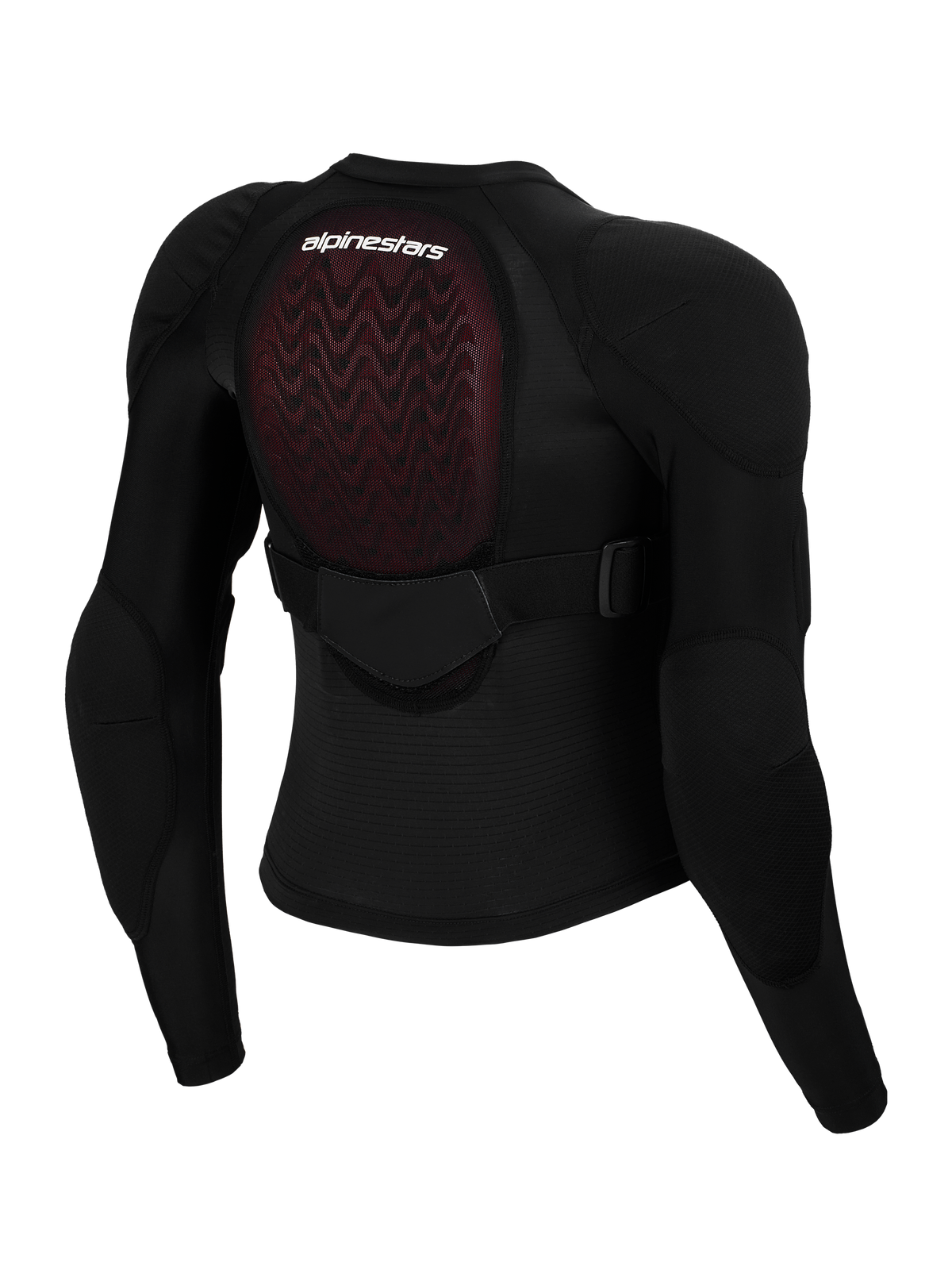
Bionic Plasma Light Youth Protection Jacket -
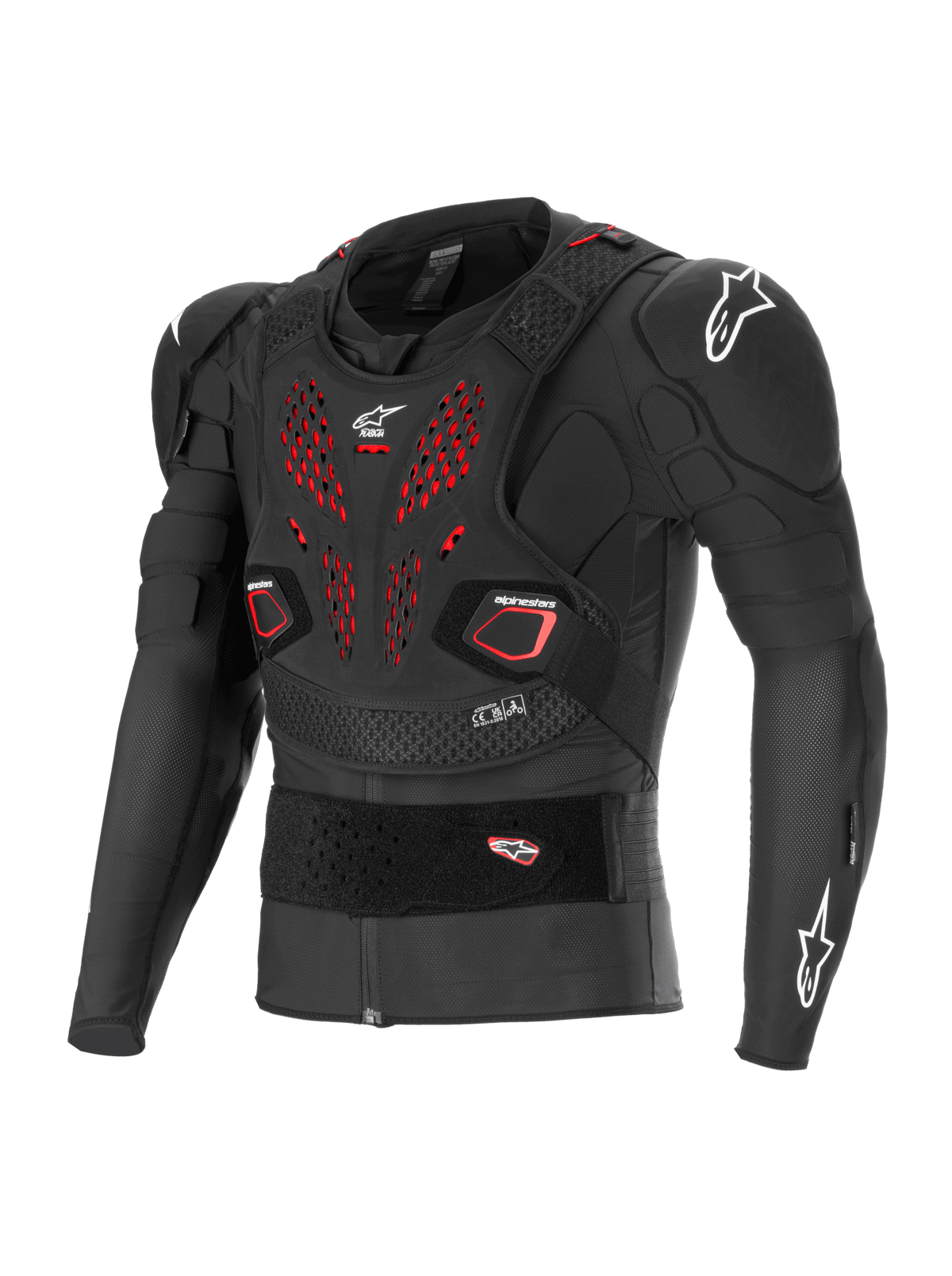
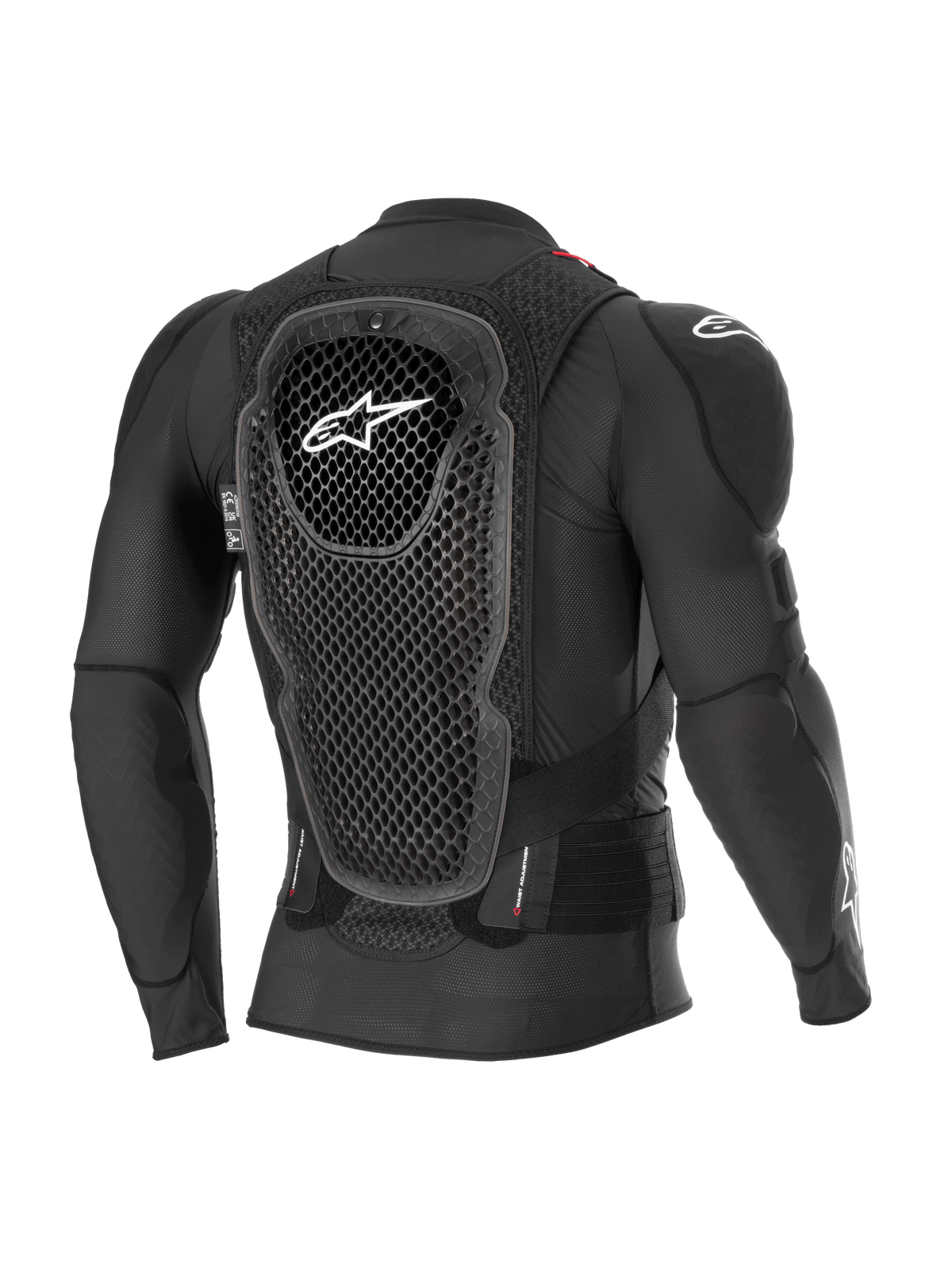
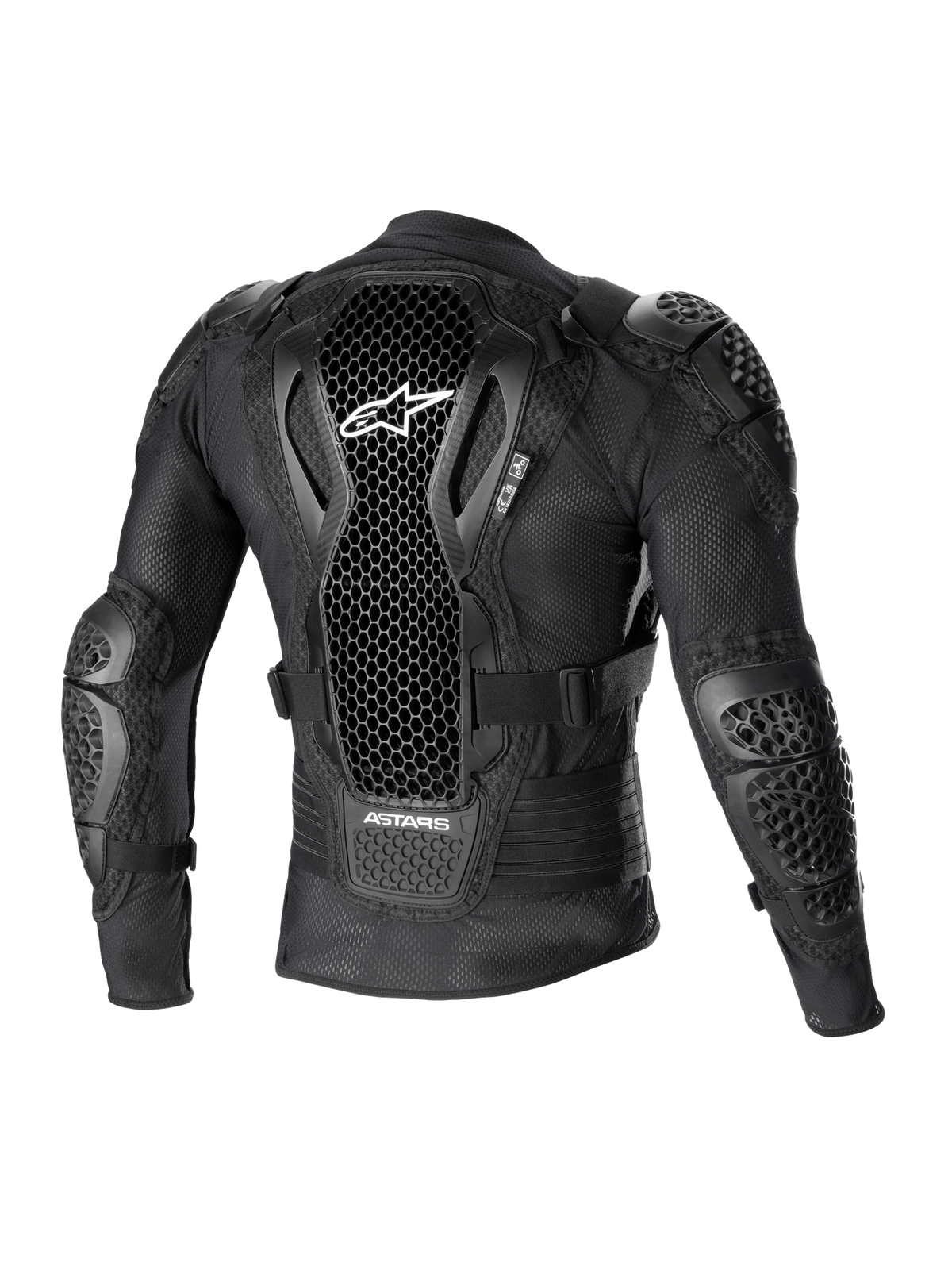
Bionic Plasma Light Protection Jacket -
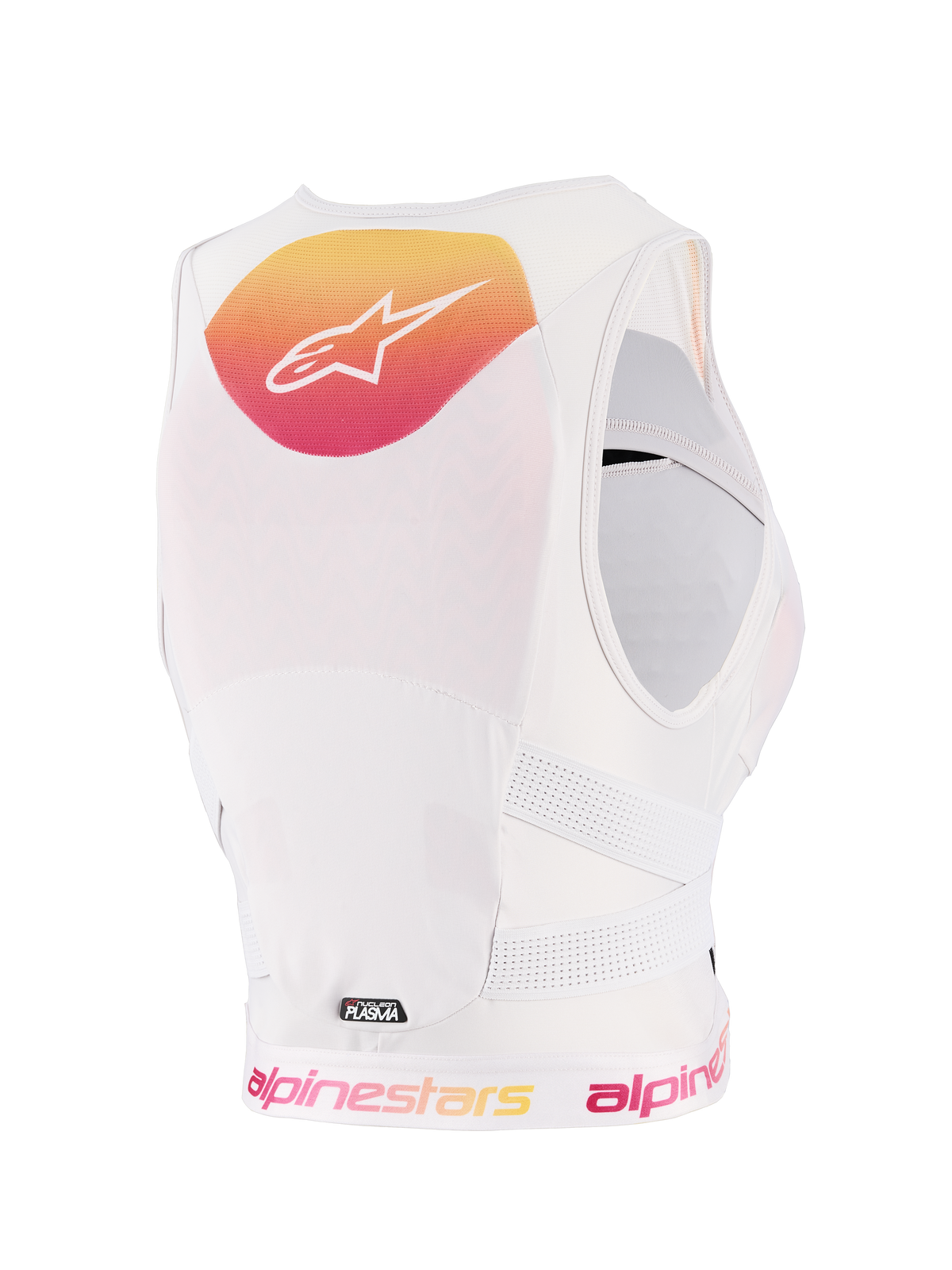
Stella Plasma Chest Protector -
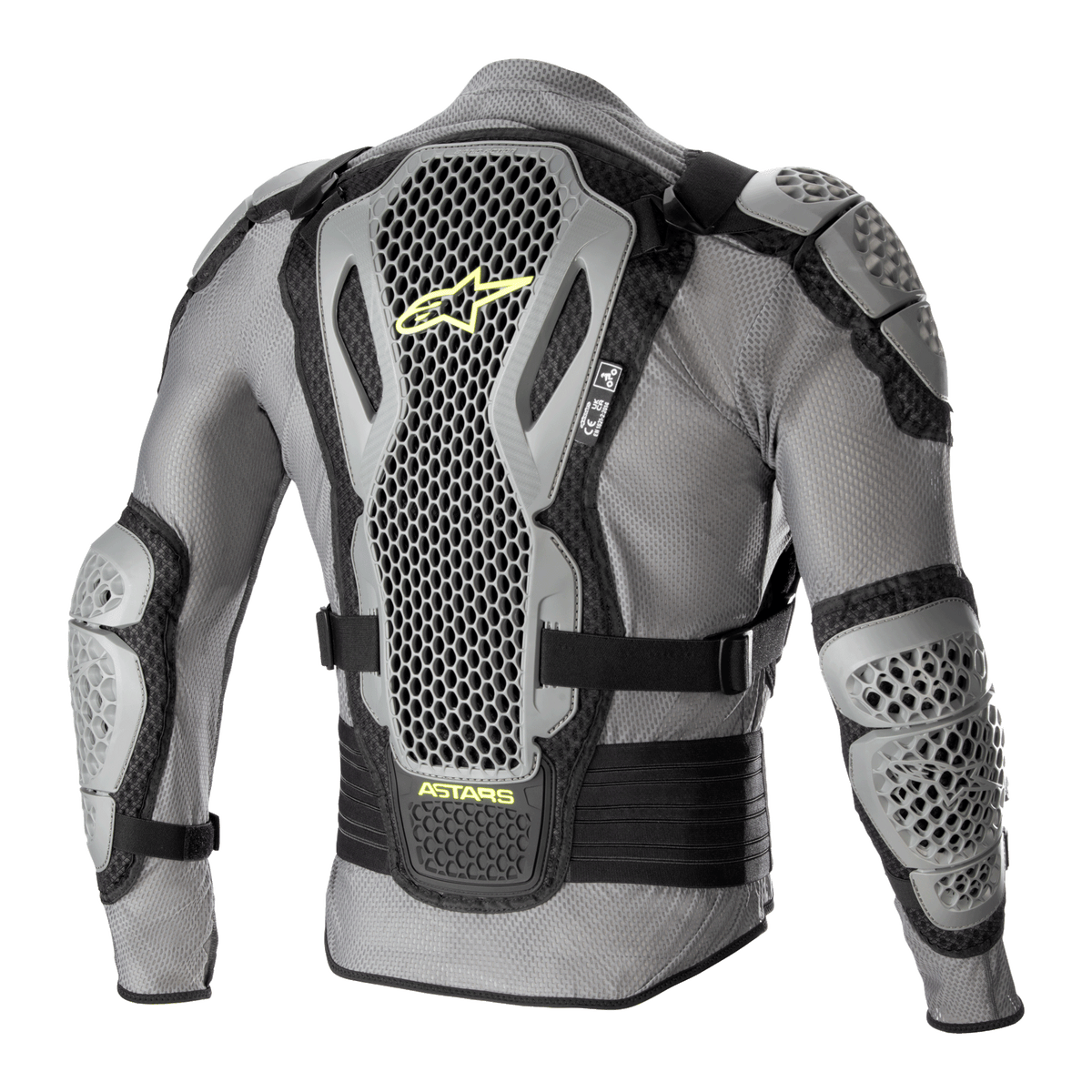
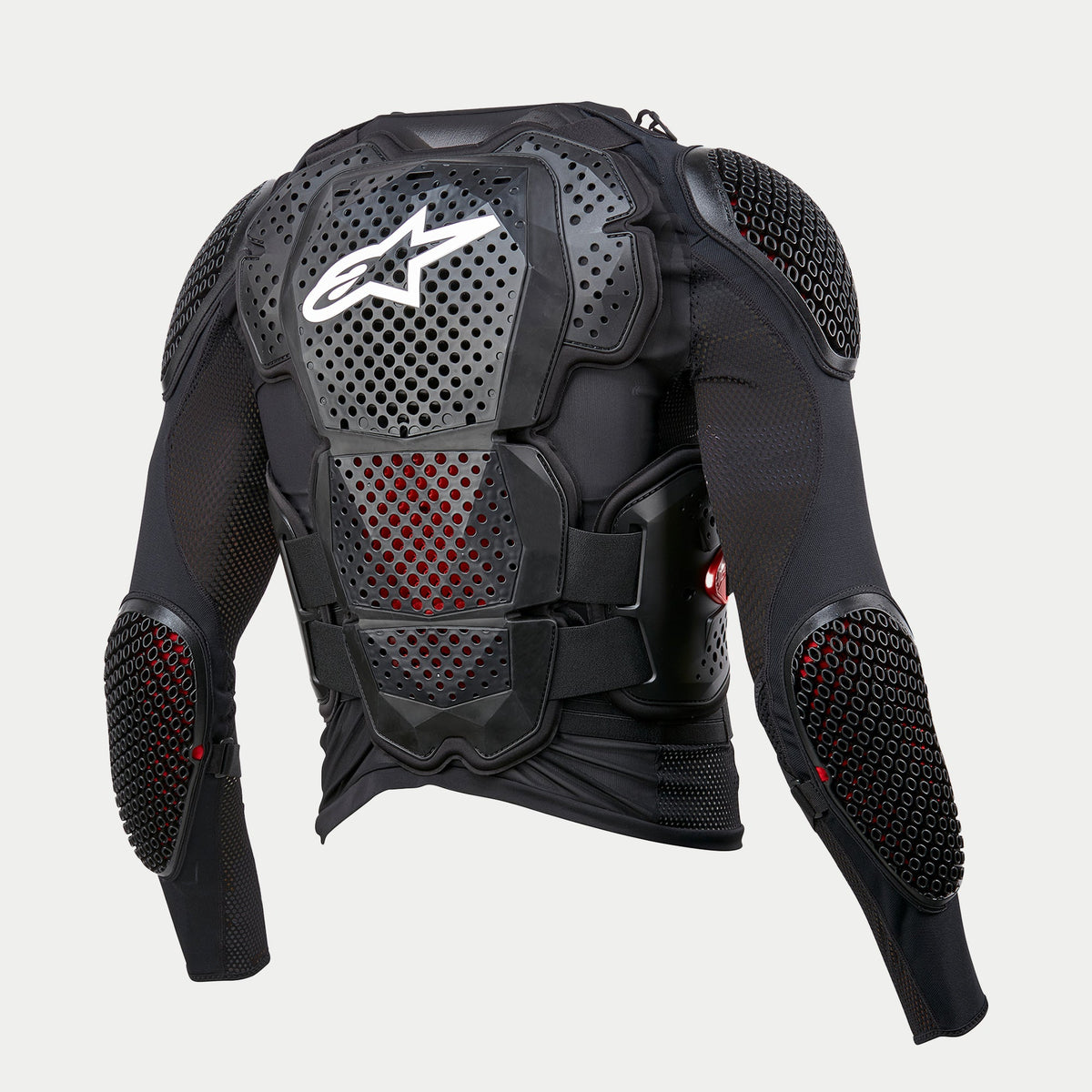
Bionic Plasma Light Protection Jacket -
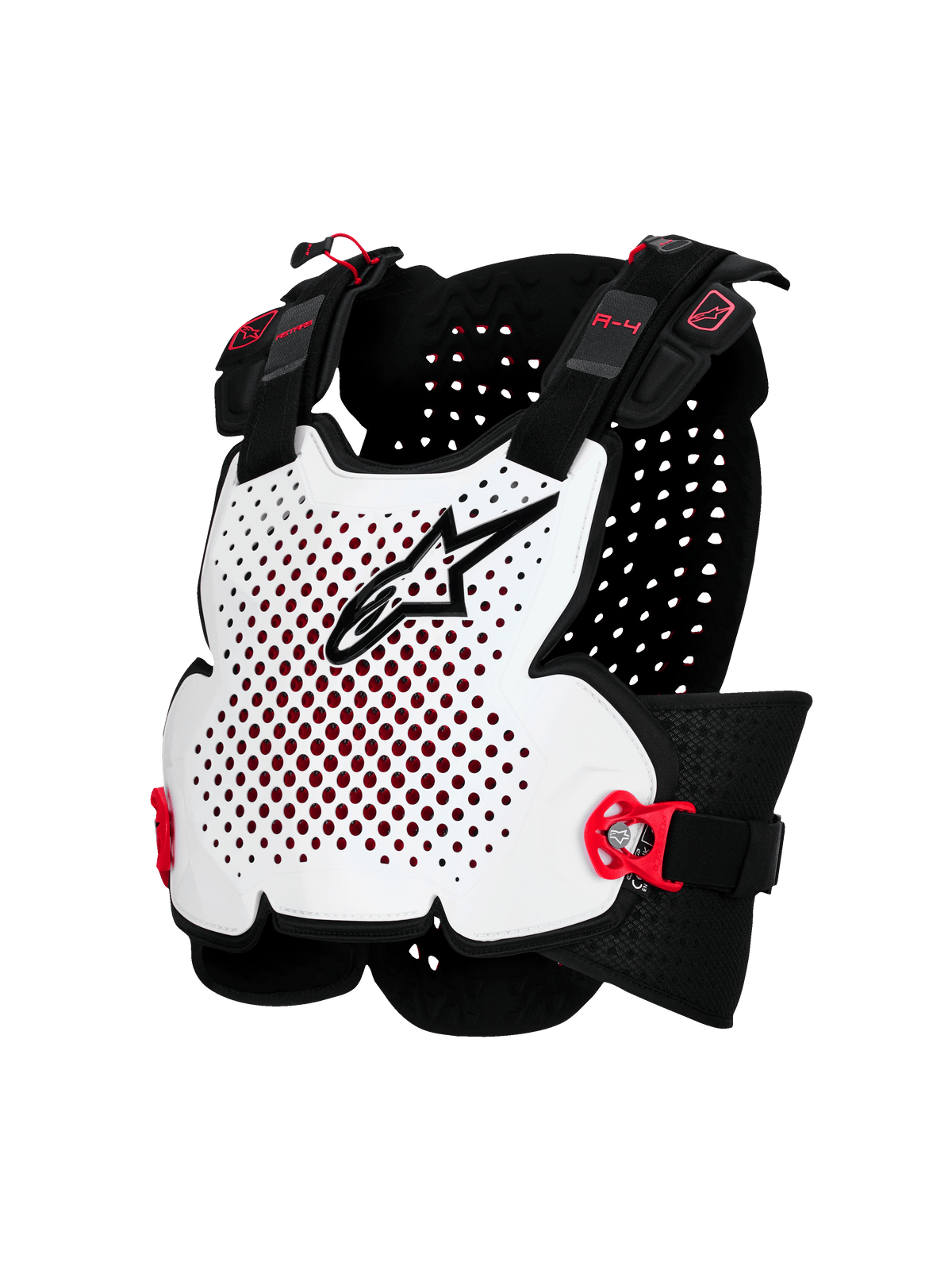
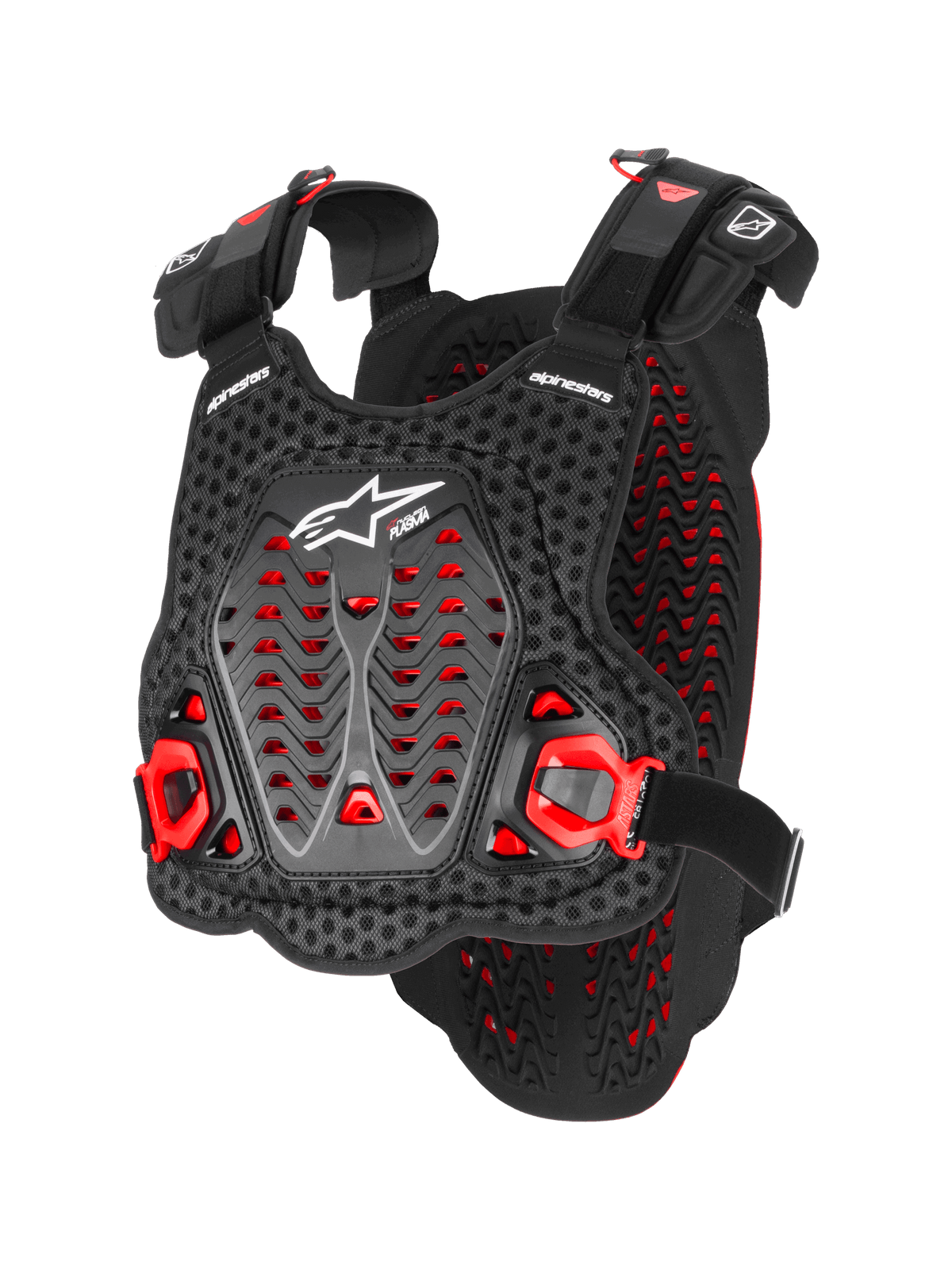
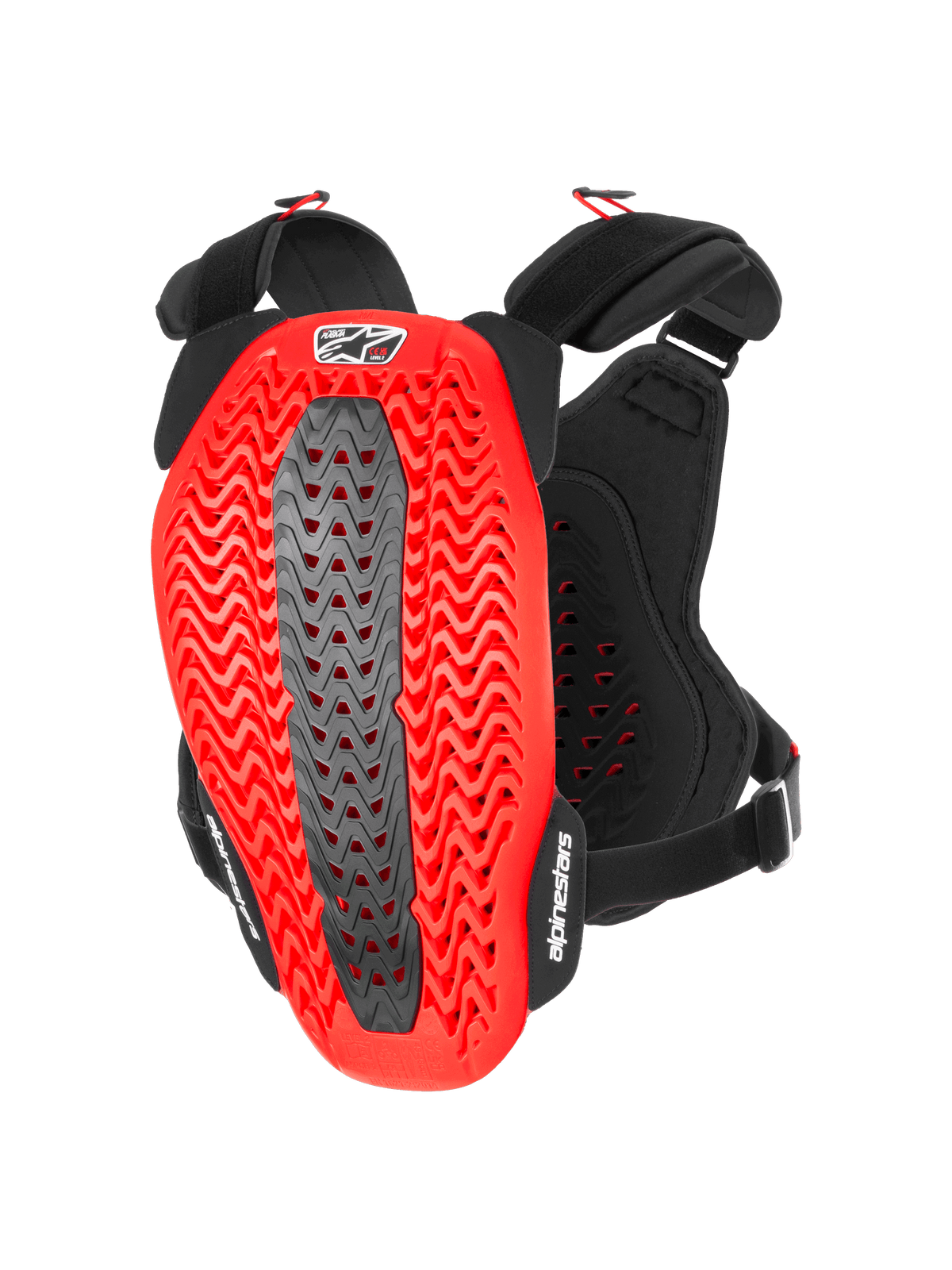
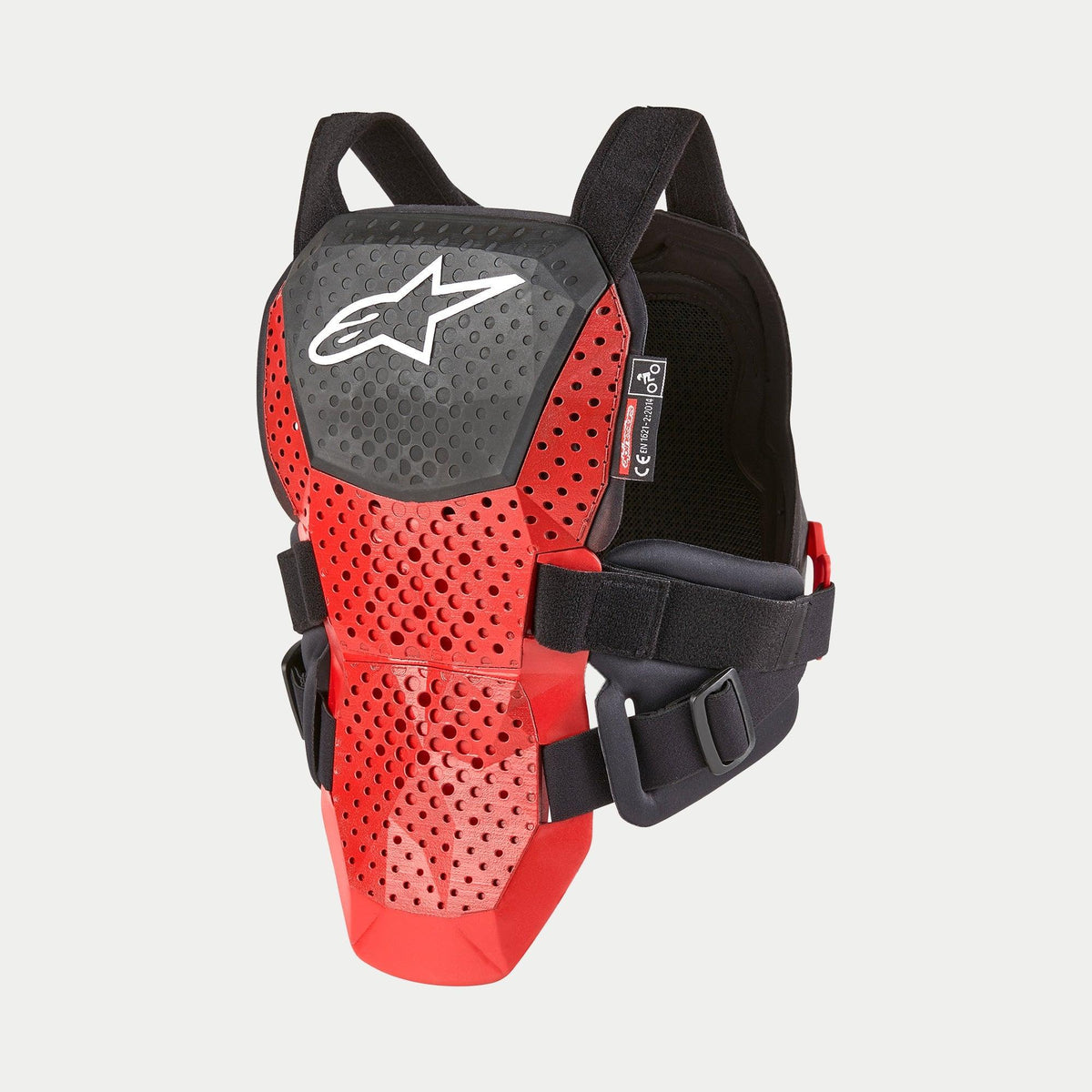
A-4 Plasma Chest Protector -
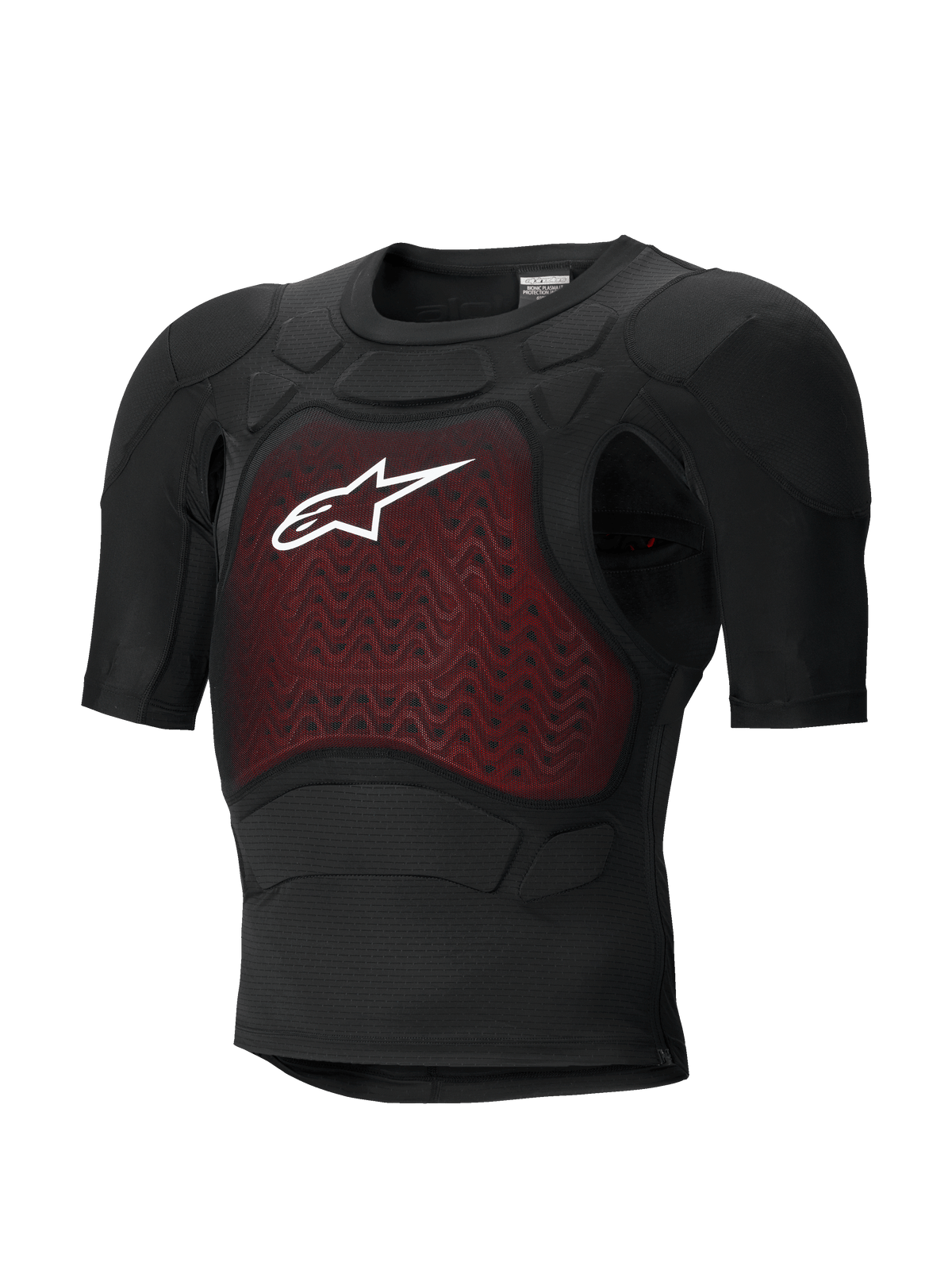
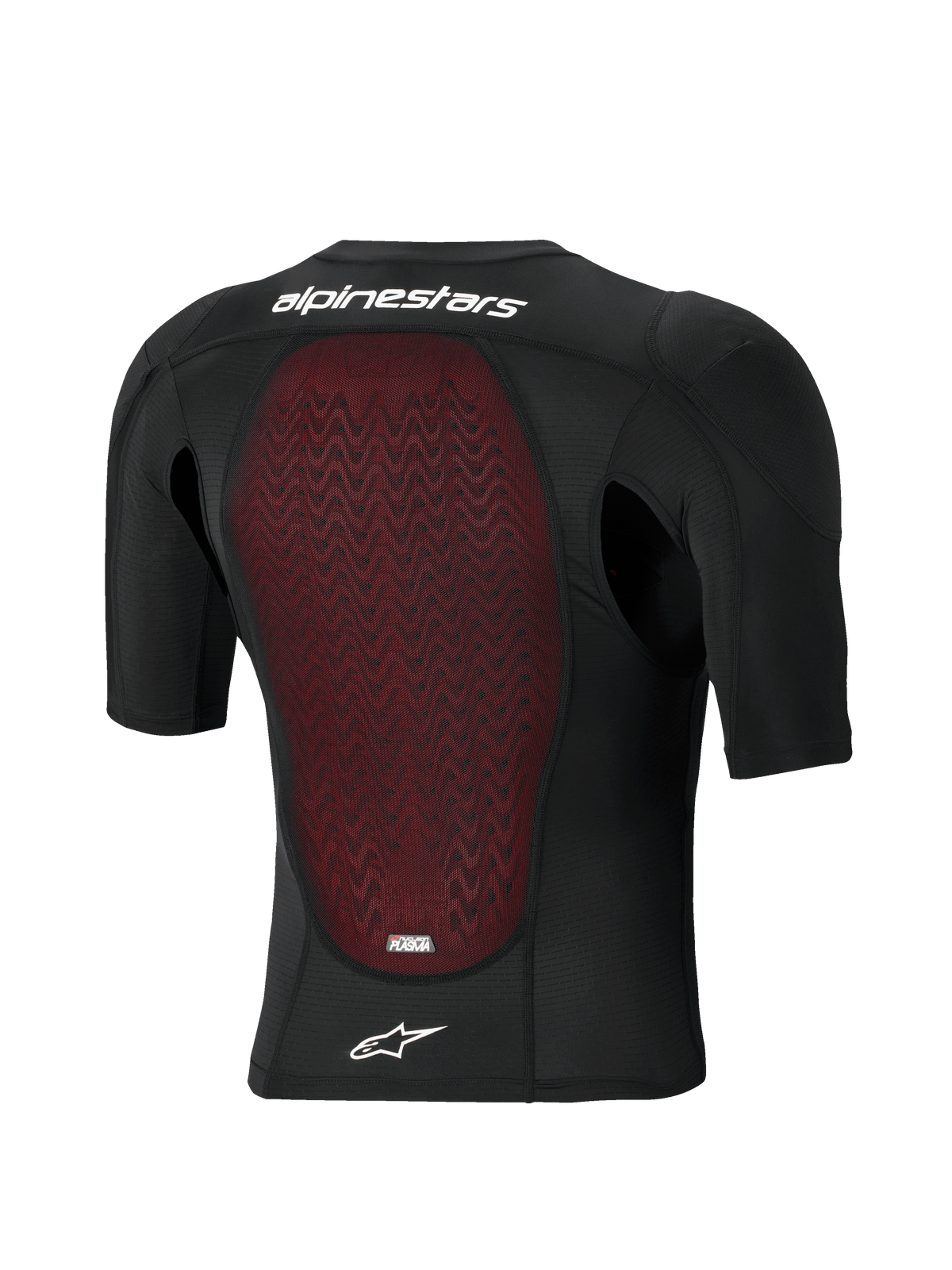
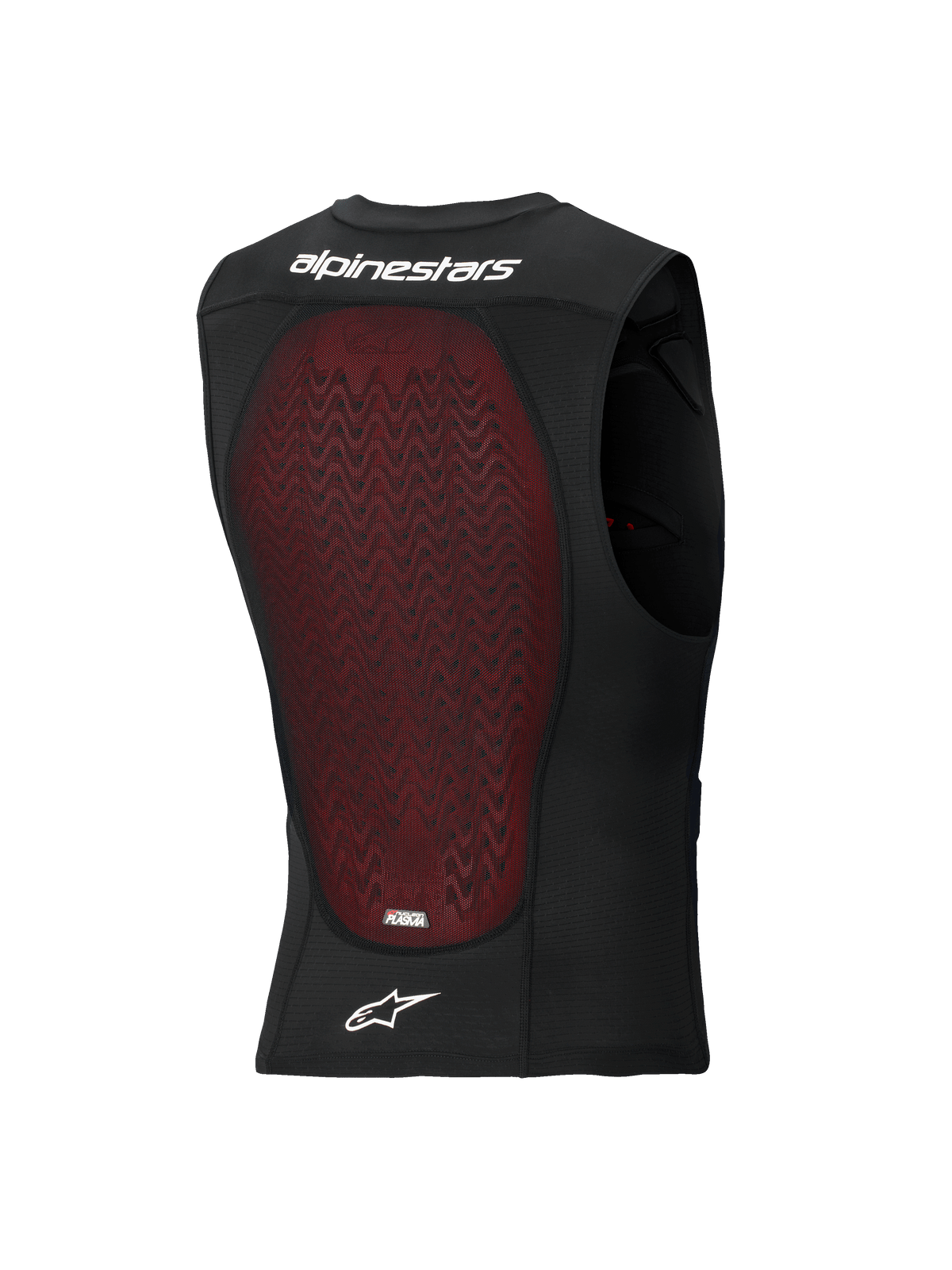
Bionic Plasma Light Protection Vest -
Stella Plasma Chest Protector -
Bionic XTR Plasma Protection Jacket -
Bionic Pro V3 Plasma Protection Jacket -
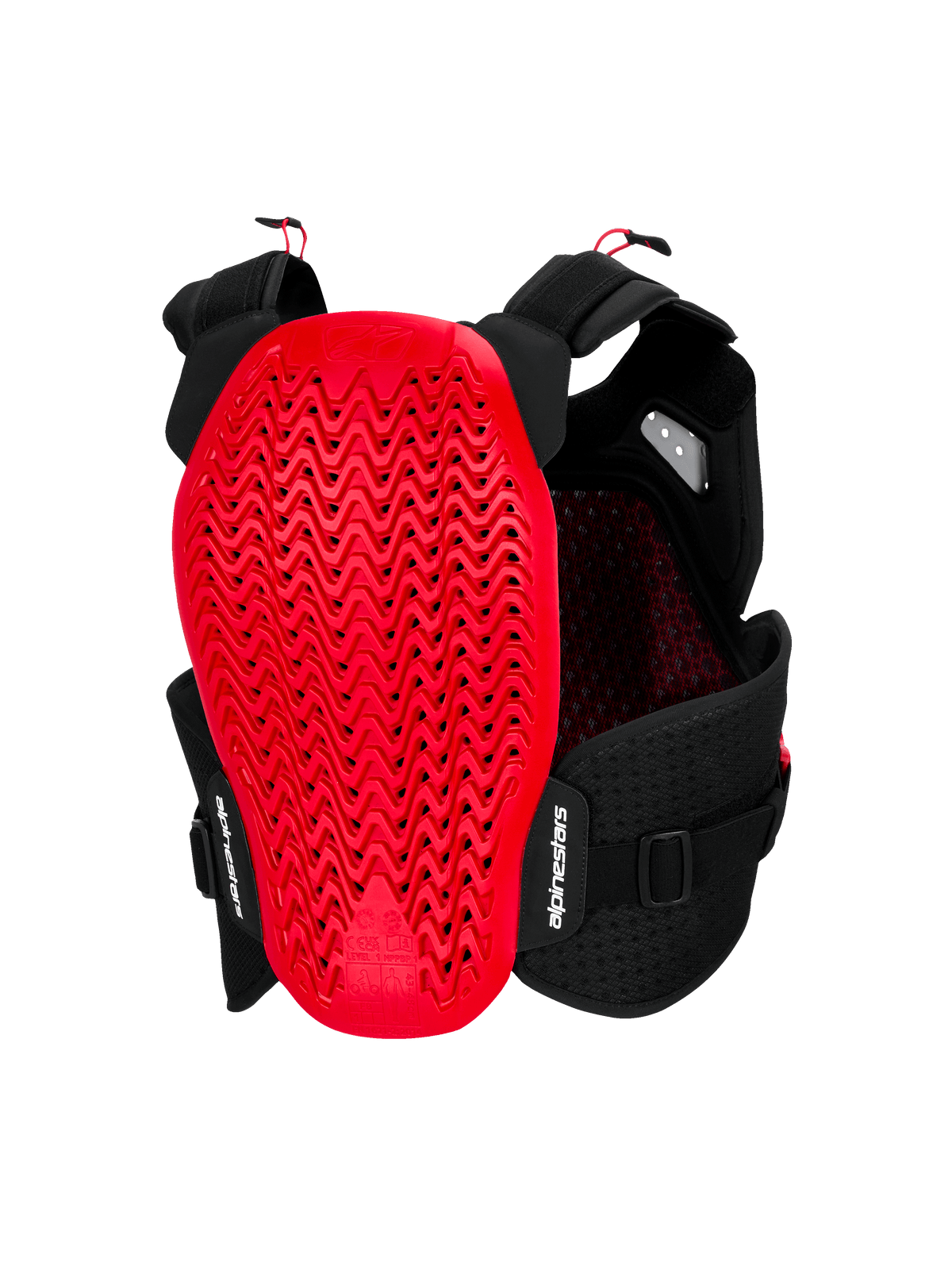
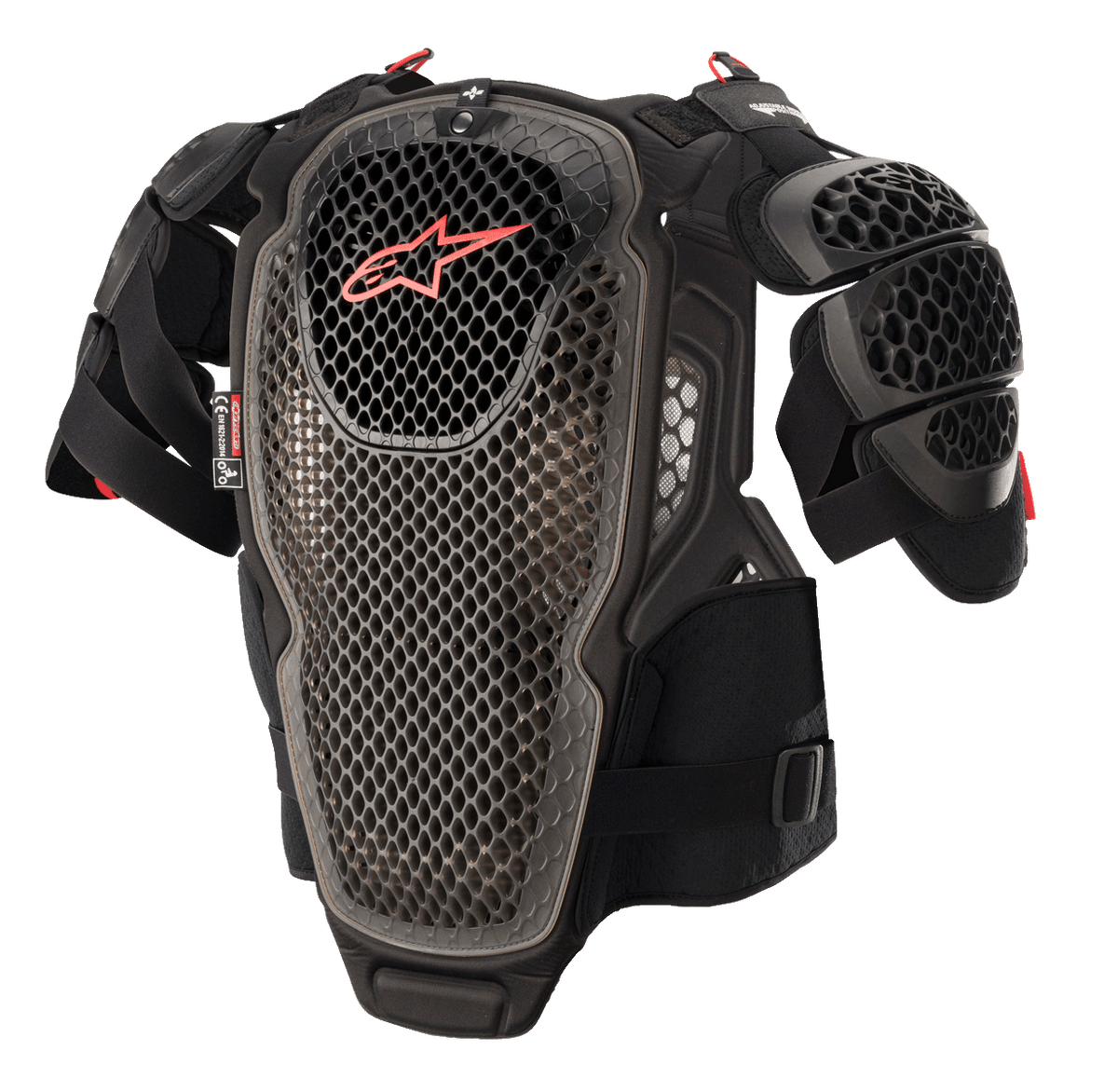
A-5 Plasma Chest Protector -
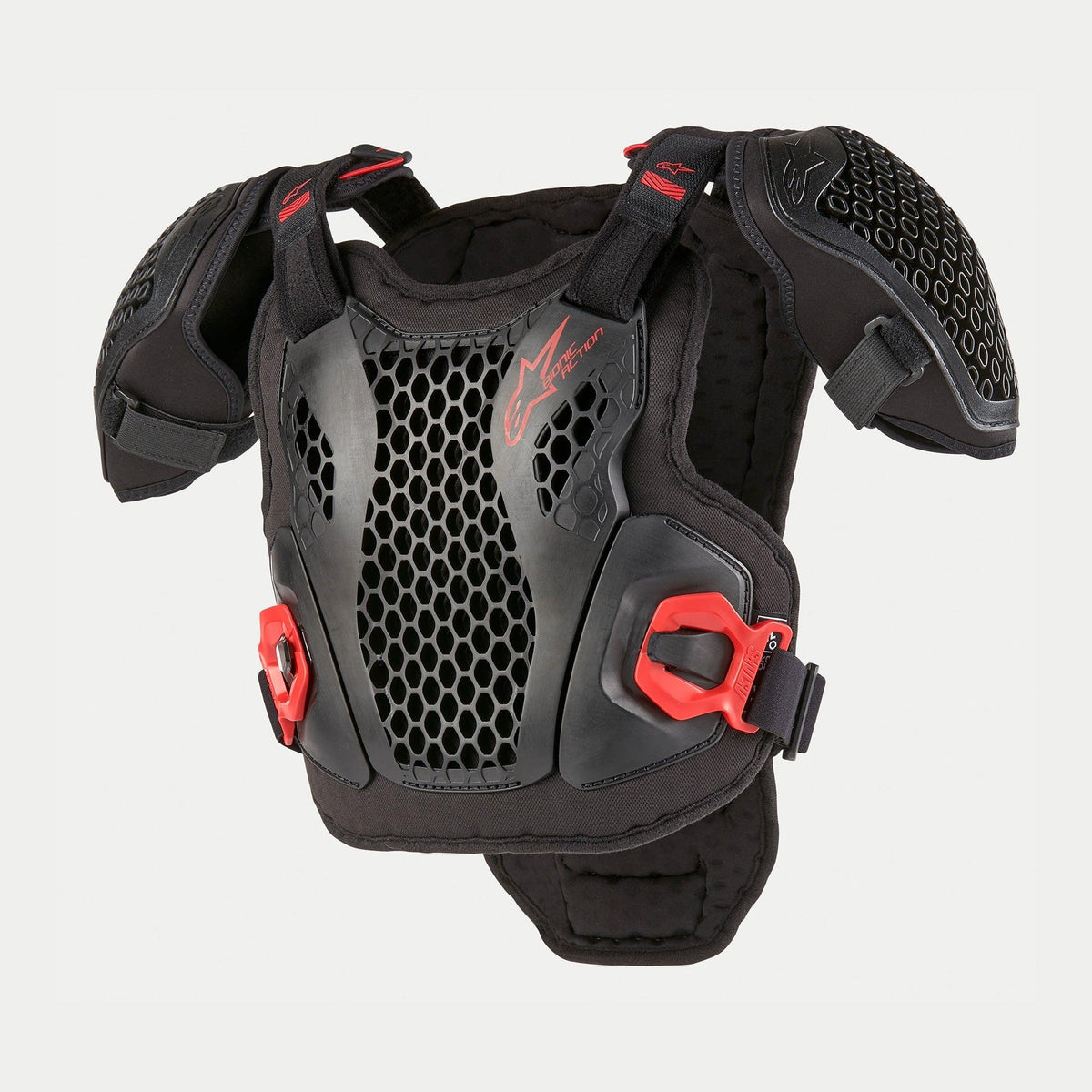
Bionic Action V2 Protection Jacket -
Bionic Action V2 Protection Jacket -
Bionic Action V2 Protection Jacket -
A-1 ROOST GUARD -
A-1 ROOST GUARD -
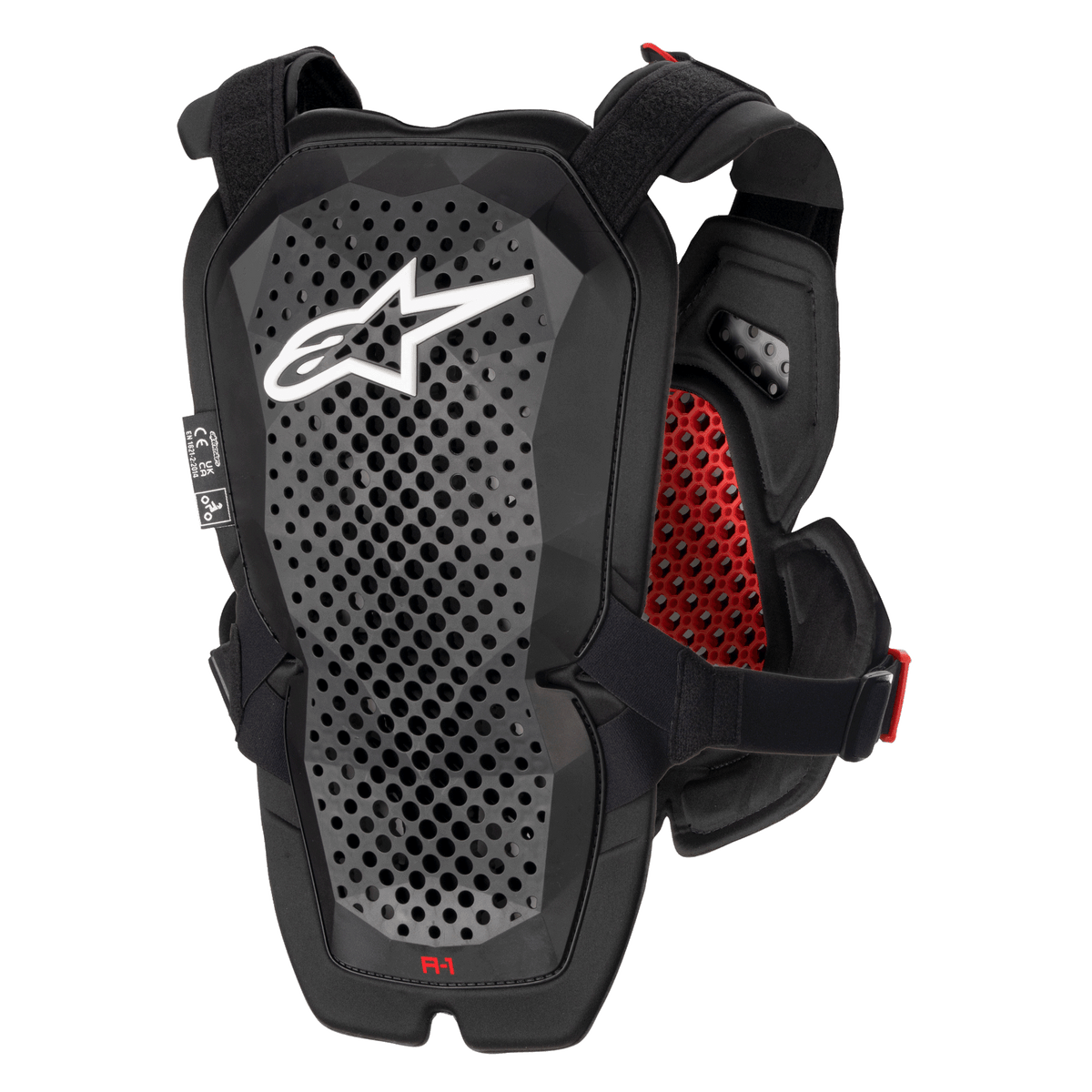
A-1 Pro Chest Protector -
A-1 Pro Chest Protector -
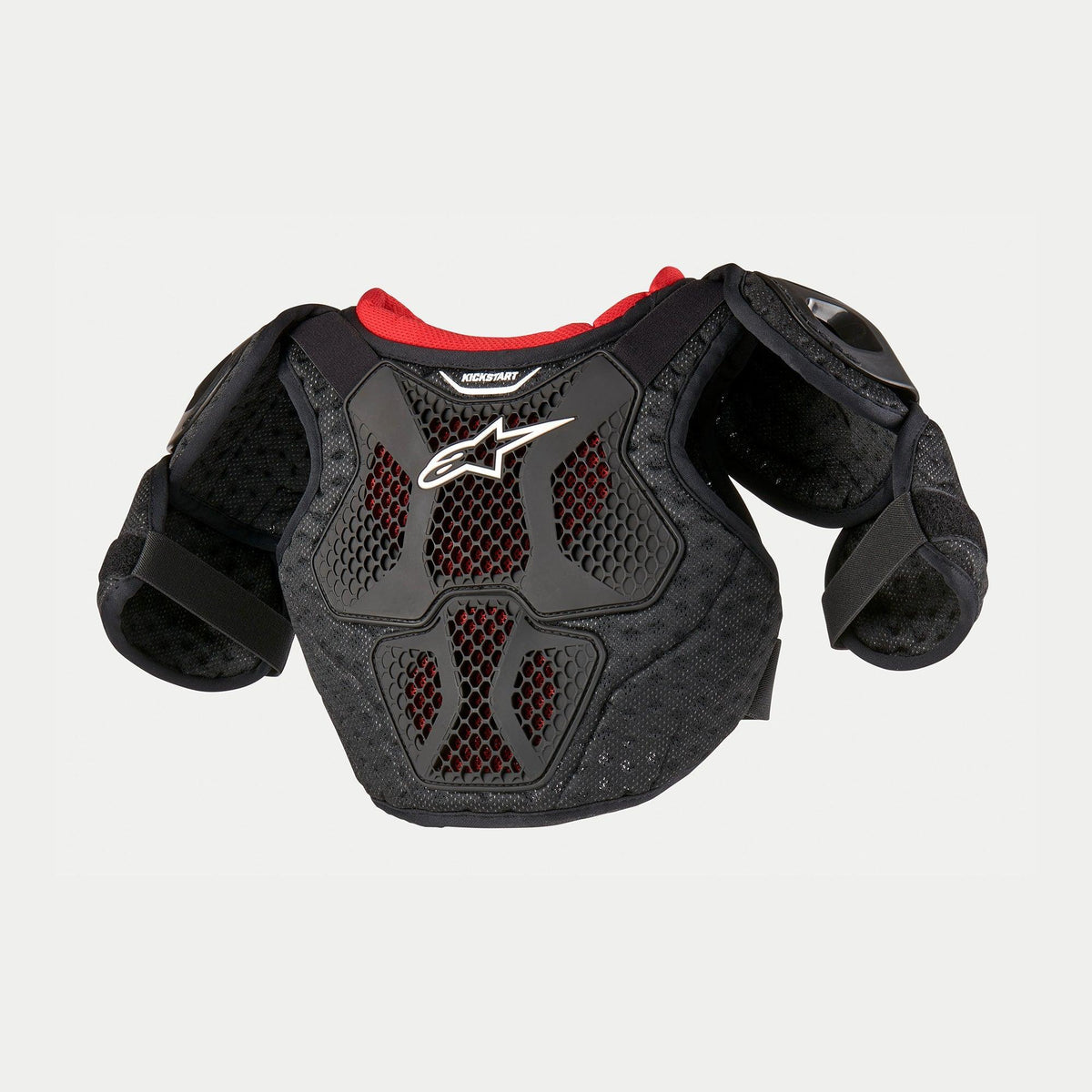
Youth Bionic Action Kickstart Chest Guard -
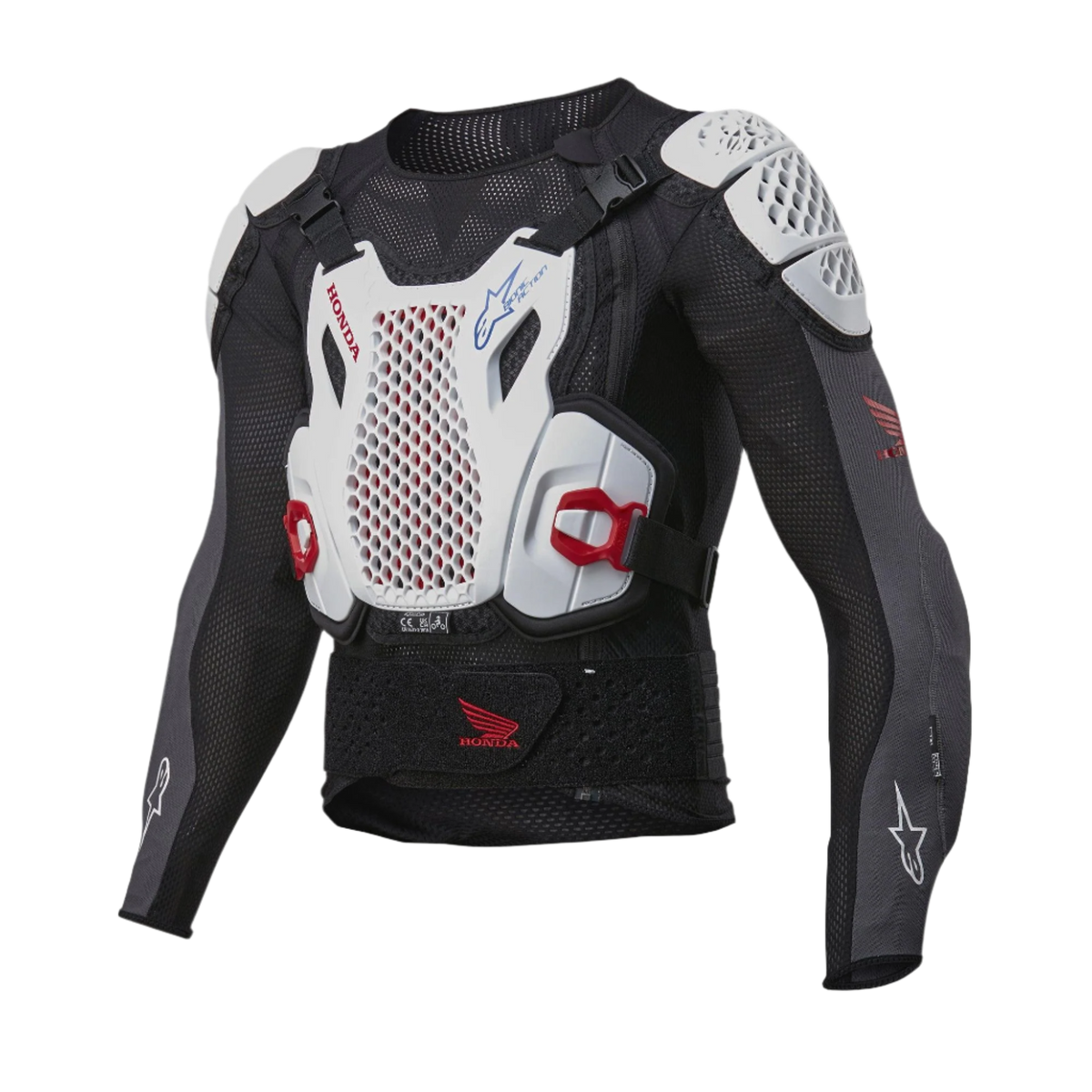
Honda Bionic Plus V2 Protection Jacket -
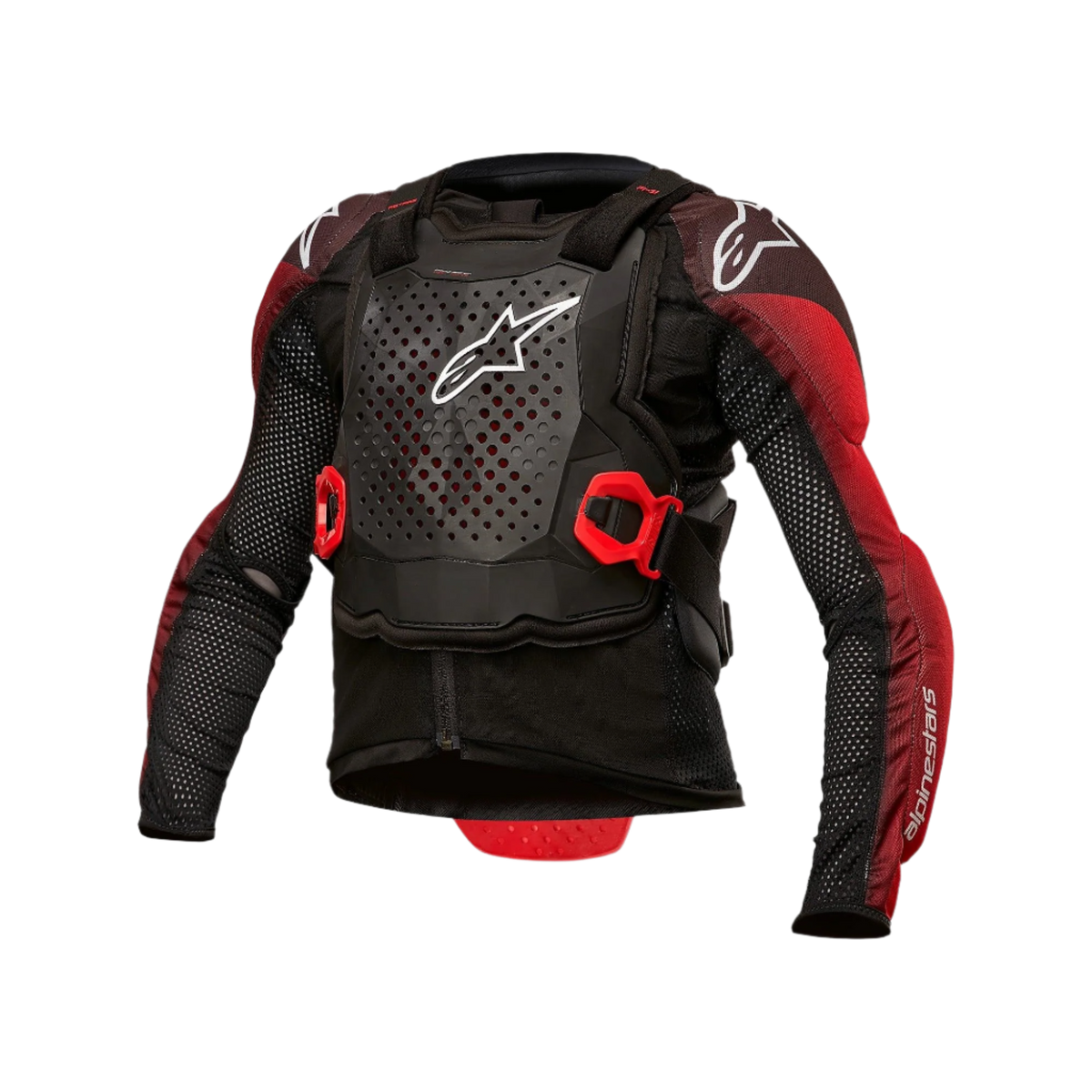
Youth Bionic Tech Protection Jacket -
Youth Bionic Action Chest Protector -
Youth Bionic Action V2 Protection Jacket -
Women Stella Bionic Action V2 Protection Jacket -
Bionic Plus V2 Protection Jacket -
A-10 V2 Full Chest Protector -
Youth A-5 S Chest Protector -
Bionic Tech V3 Protection Jacket -
A-6 Chest Protector -
Youth Sequence Kidney Belt -
Sequence Kidney Belt -
Saturn Kidney Belt

























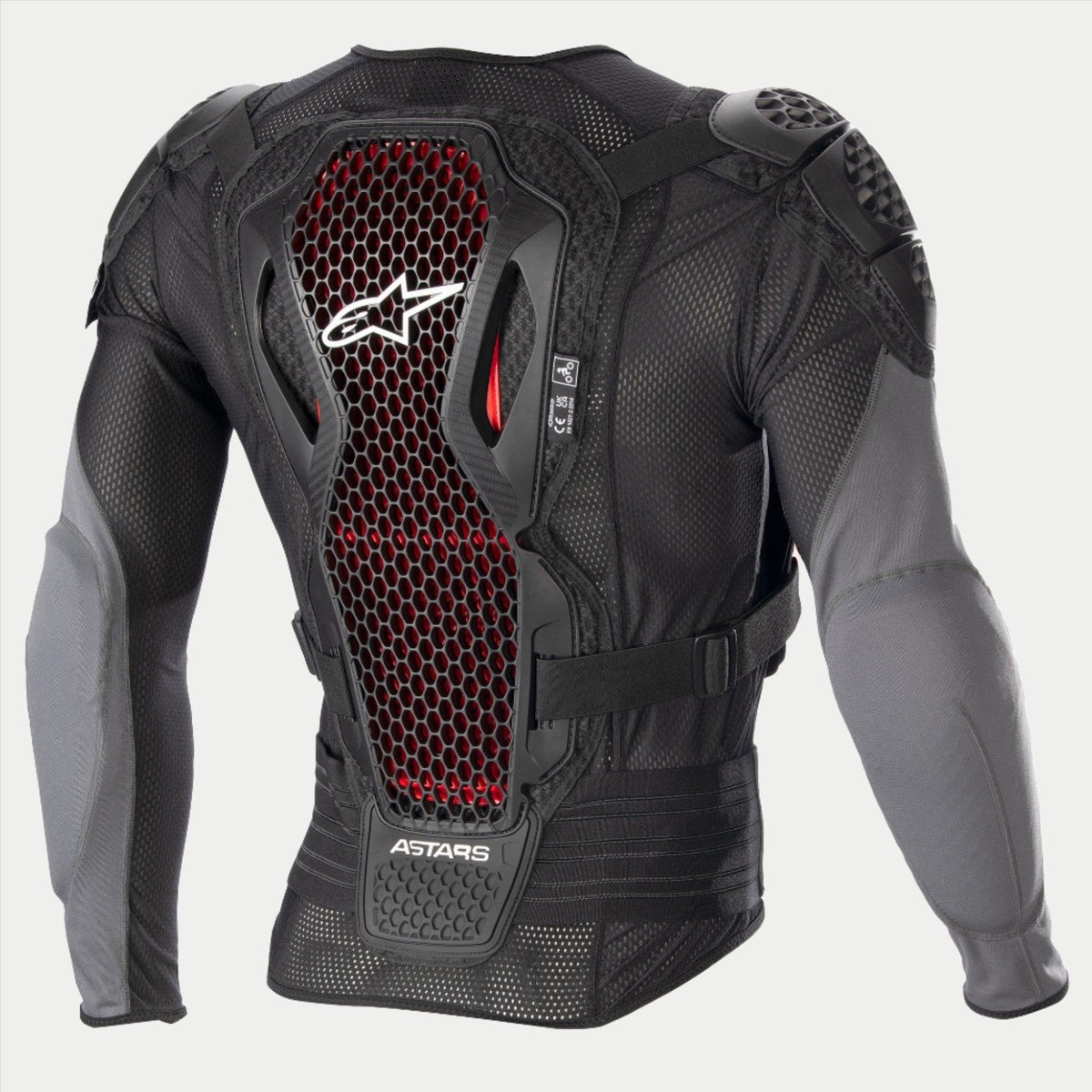


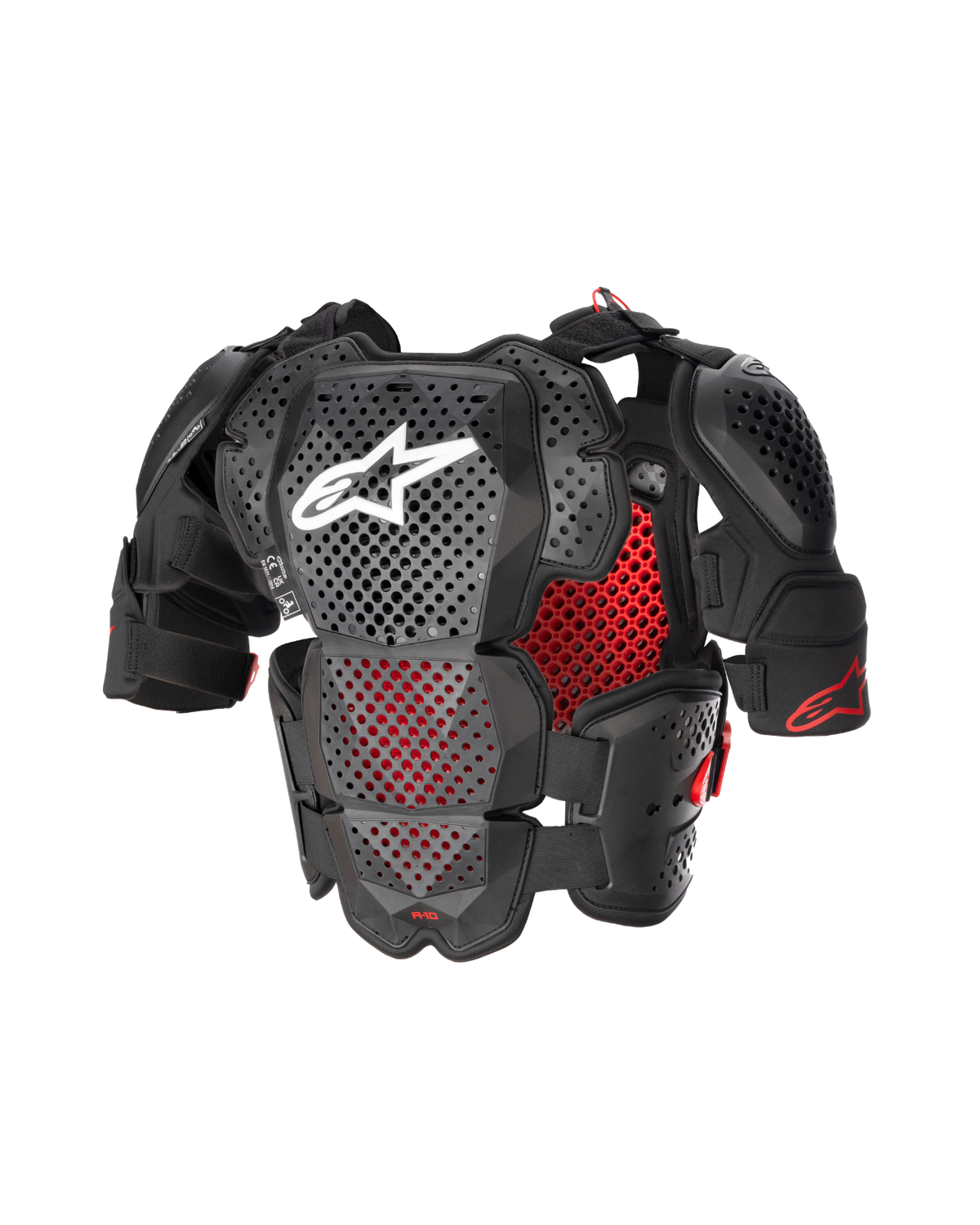


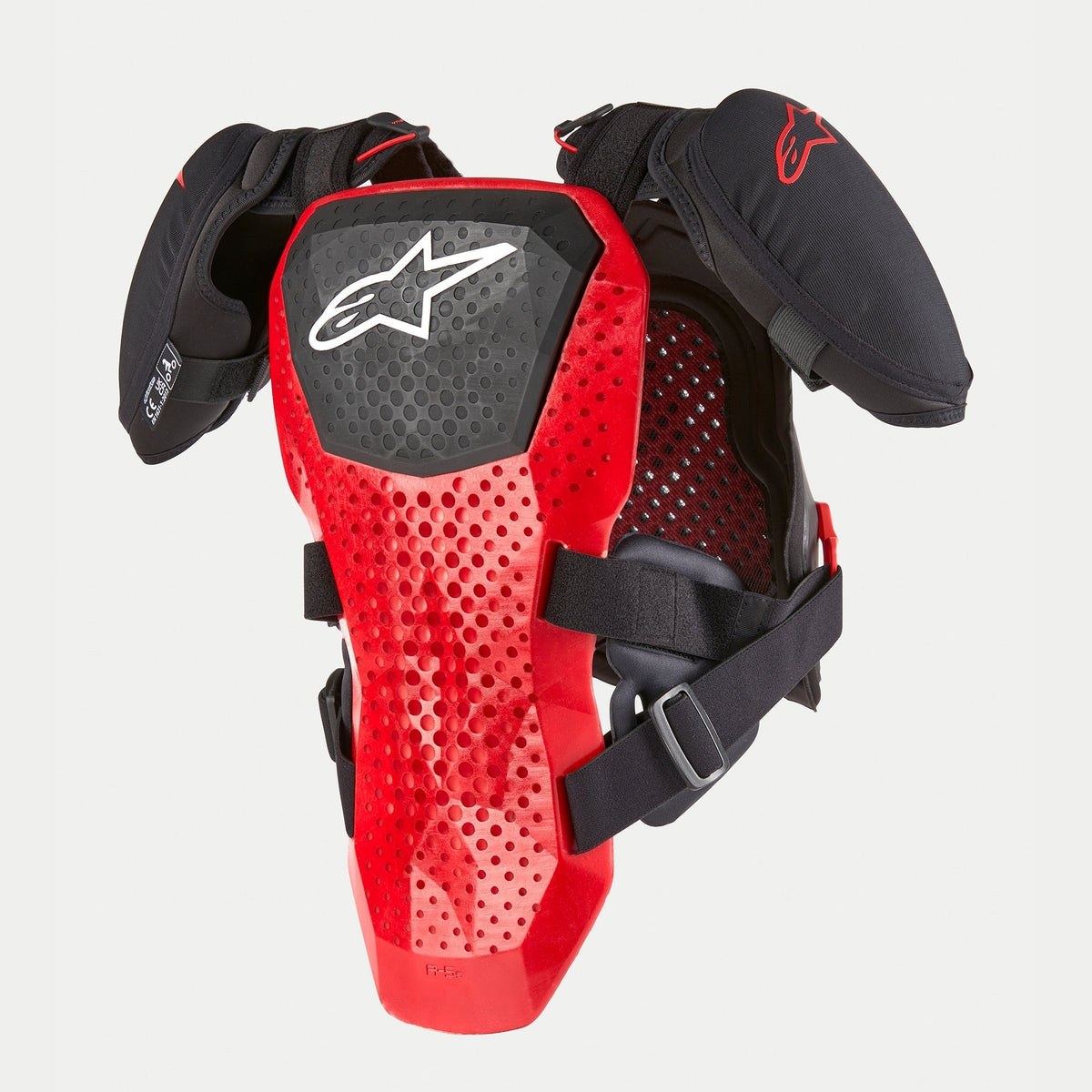

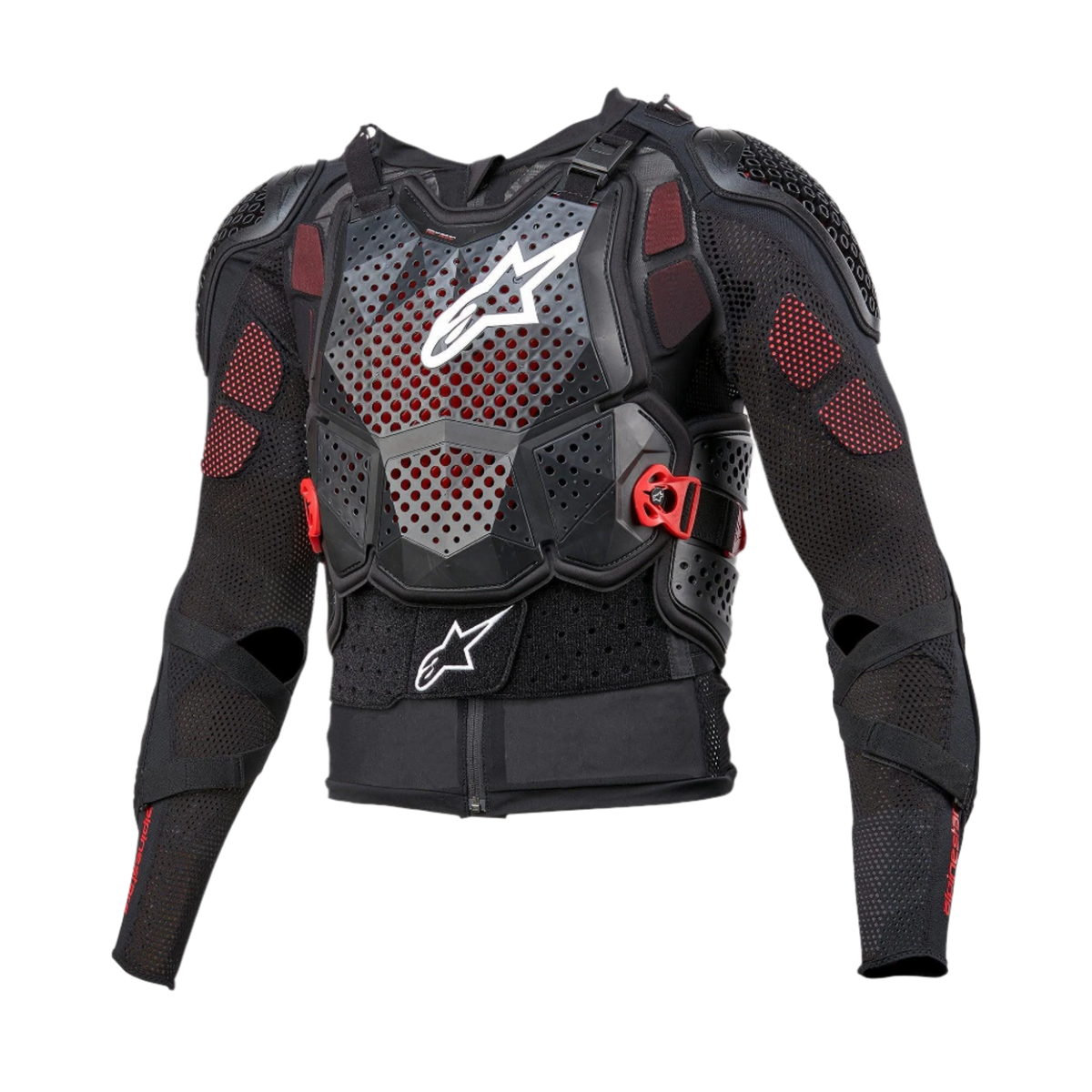




31 of 31 products
All products loaded
Frequently asked questions Hide FAQs
What is the difference between a motocross chest protector, a roost protector, and full upper body armour?
This collection can include lightweight roost-focused protectors, chest protectors, and more comprehensive upper body armour systems for motocross and off-road riding. The main difference is the level of impact coverage, overall structure, and how much of the upper body is protected in one integrated setup.
Roost-focused options prioritize low weight and airflow for debris deflection, while chest protectors and full body armour are built for broader impact management across key zones such as the chest, back, shoulders, and in some cases ribs or elbows.
| Type | Typical Coverage | Best Use |
|---|---|---|
| Roost protector | Front and rear coverage with a lighter structure | Riders prioritizing ventilation and mobility |
| Chest protector | Chest, back, often shoulders | MX riding with balanced coverage and freedom of movement |
| Upper body armour | Chest, back, shoulders, with more integrated upper-body protection | Riders wanting broader coverage in one system |
How should motocross upper body armour fit?
Motocross upper body armour should fit close to the body so the protective zones stay correctly positioned when you are standing, seated, braking, or moving aggressively on the bike. It should feel secure across the chest, shoulders, and back without shifting, lifting, or rotating during riding.
You should still be able to turn your head freely, reach the bars naturally, and move your elbows without restriction. Adjustable side and shoulder straps are important for fine-tuning fit, especially if you plan to wear the armour under a jersey or over a base layer. If the protector creates pressure points or moves excessively, the size or style is not correct for your build.
Are motocross upper body protectors CE certified, and what standards apply?
Many motocross upper body protectors in this category use CE-certified protection, but the exact certification depends on the design and the body area being protected. As a general guide, chest protection commonly references EN 1621-3, back protection commonly references EN 1621-2, and shoulder or limb components may reference EN 1621-1.
Protection can also be rated at Level 1 or Level 2, with Level 2 indicating a higher impact-performance threshold than Level 1. Because certification can vary between lightweight chest protectors and more comprehensive armour systems, it is best to confirm the exact CE marking on the product page before ordering.
Can motocross upper body armour be worn under a jersey or with a neck brace?
In many cases, yes. Modern motocross upper body armour is often designed to sit under a jersey, and many models are shaped to work with neck-brace systems. Low-profile shoulder areas, adjustable straps, and modular padding help the armour integrate with other protective equipment while maintaining mobility.
The key is correct compatibility and positioning. The armour should not push the neck brace out of place or create gaps in protection. If you are building a complete setup, you can also explore the broader motocross protection collection, pair it with MX neck protection, and layer it under suitable motocross jerseys.
How do I clean and maintain motocross upper body armour?
After riding, remove mud, dust, and sweat so the armour stays comfortable and the protective structure remains in good condition. In most cases, the safest approach is to wipe shells or protective inserts with a damp cloth and mild soap, then let everything air dry fully away from direct heat.
If the armour includes removable textile sections or detachable protective components, follow the care label for that model before washing. Avoid bleach, tumble drying, and high heat, and make sure all parts are completely dry before storage or reuse.