
39 resultados
-
Casaco Revea De Couro Para Mulher -
Casaco Stella Maver-X De Couro -
Casaco Stella C-1 Impermeável -
Casaco Stella C-1 Impermeável -
Casaco Stella C-1 Impermeável -
Jaqueta Stella Grace -
Casaco Stella Moshell -
Jaqueta Stella Moshell -
Casaco Stella Grace -
Jaqueta Idles -
Jaqueta Idles -
Casaco Stella Troop-Air -
Jaqueta Molly Air -
Jaqueta Stella Circal-1 Air -
Jaqueta Stella C-1 Air -
Jaqueta Stella T-Dyno Air -
Jaqueta Stella T-Dyno Air -
Jaqueta Stella C-1 Air -
Jaqueta Molly Air -
Jaqueta Stella C-1 Air -
Jaqueta Stella T-Dyno Resistente À Água -
Casaco Stella Troop-Air -
Jaqueta Stella C-1 Air -
Jaqueta Stella T-Dyno Resistente À Água -
Jaqueta Molly Air -
Jaqueta Stella T-Dyno Resistente À Água -
Casaco Stella T-Dyno Air -
Jaqueta Isla Resistente À Água -
Jaqueta Isla Resistente À Água -
Jaqueta De Couro Tory -
Jaqueta De Couro Stella Dyno -
Jaqueta De Couro Stella Dyno -
Polar Banshee -
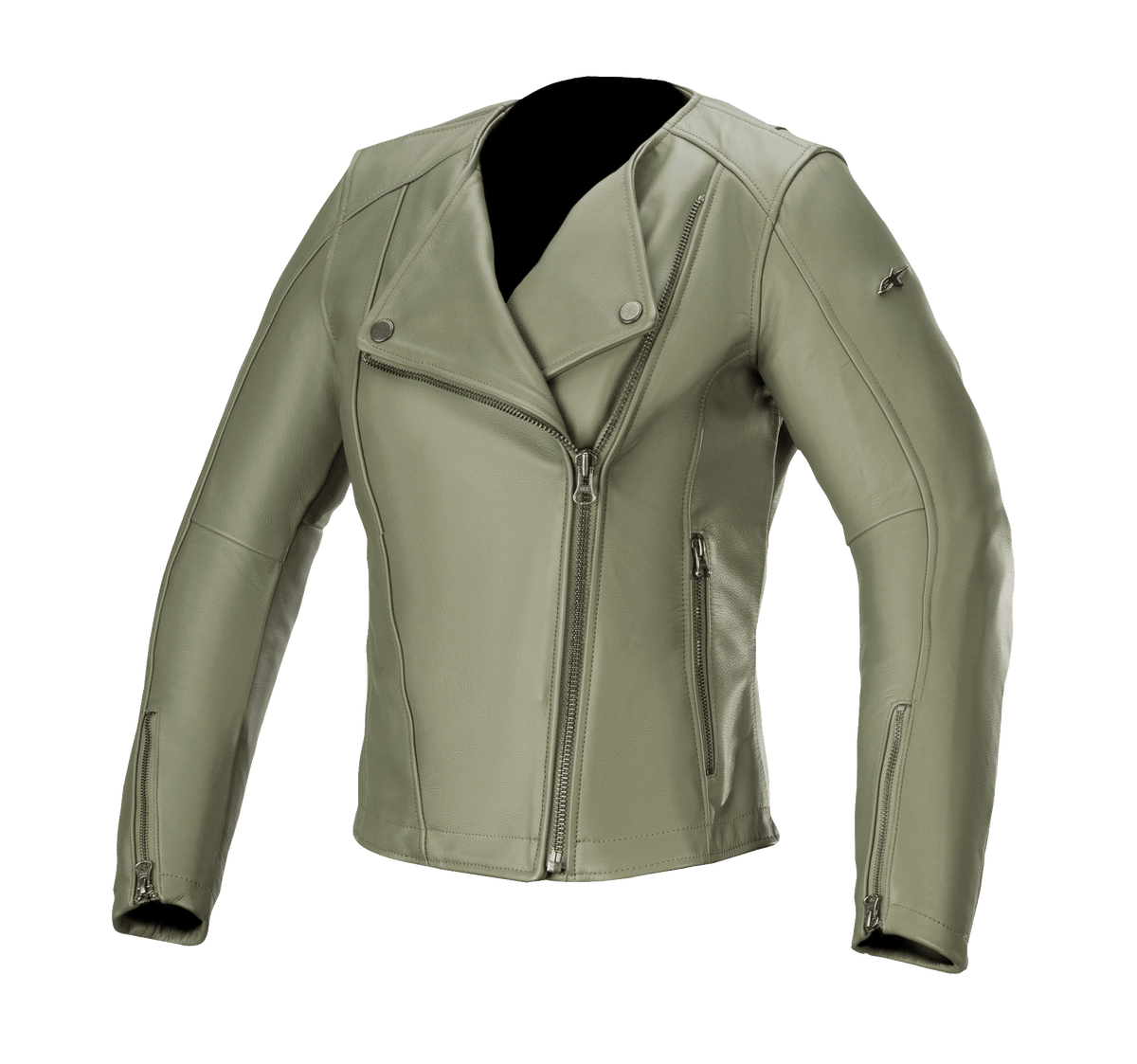
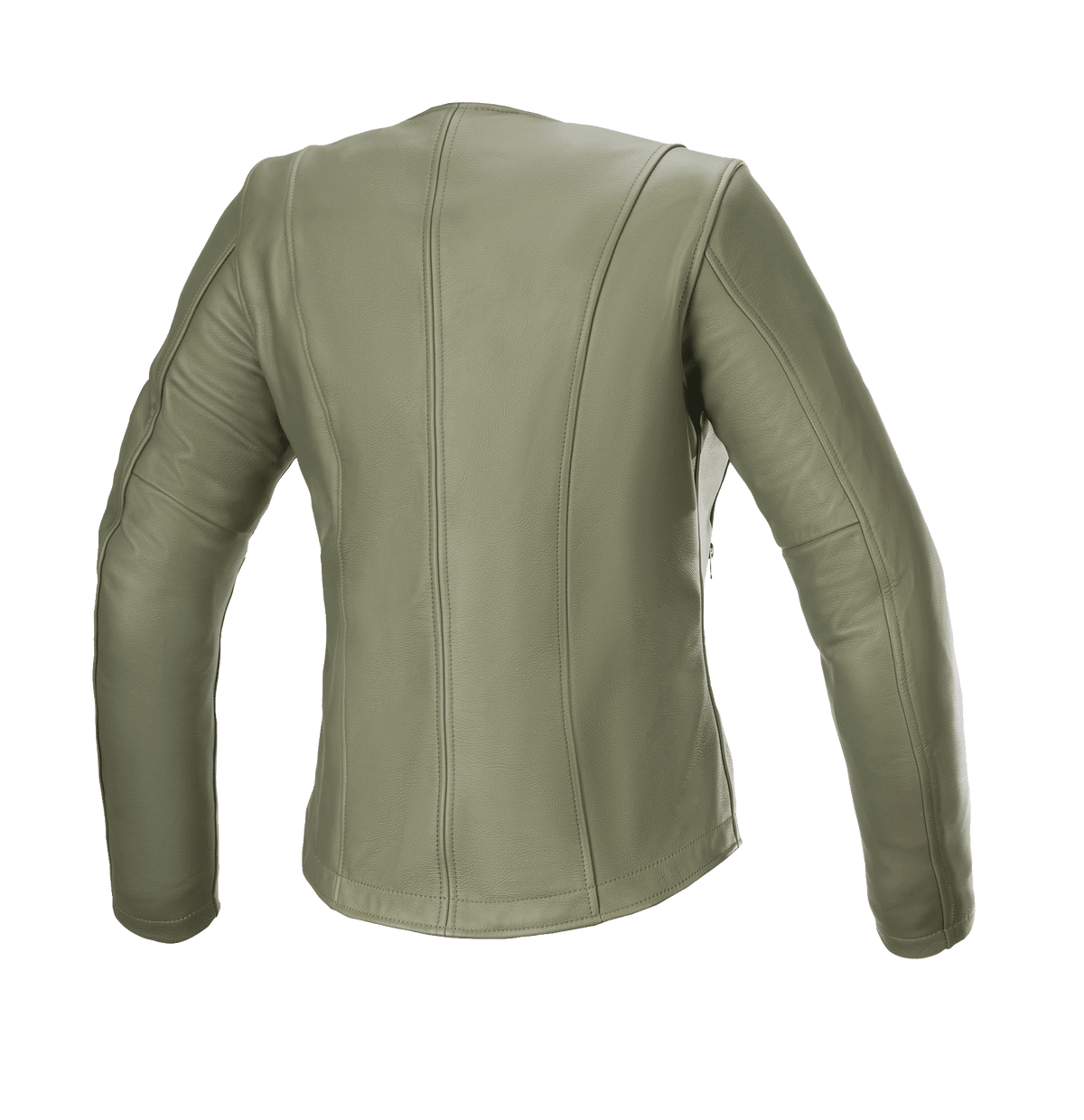
Jaqueta De Couro Alice -
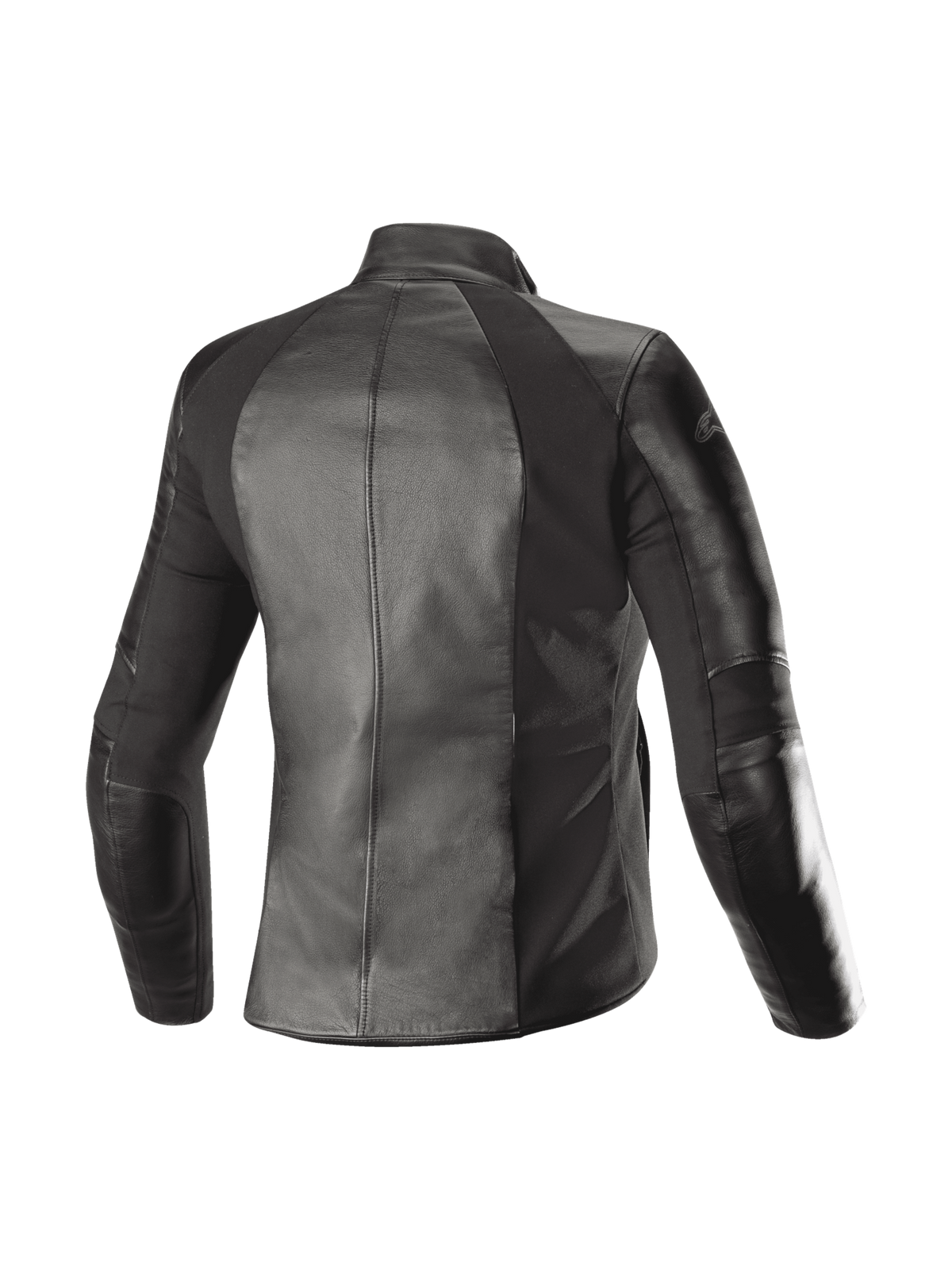
Jaqueta De Couro Stella Vika V2 -
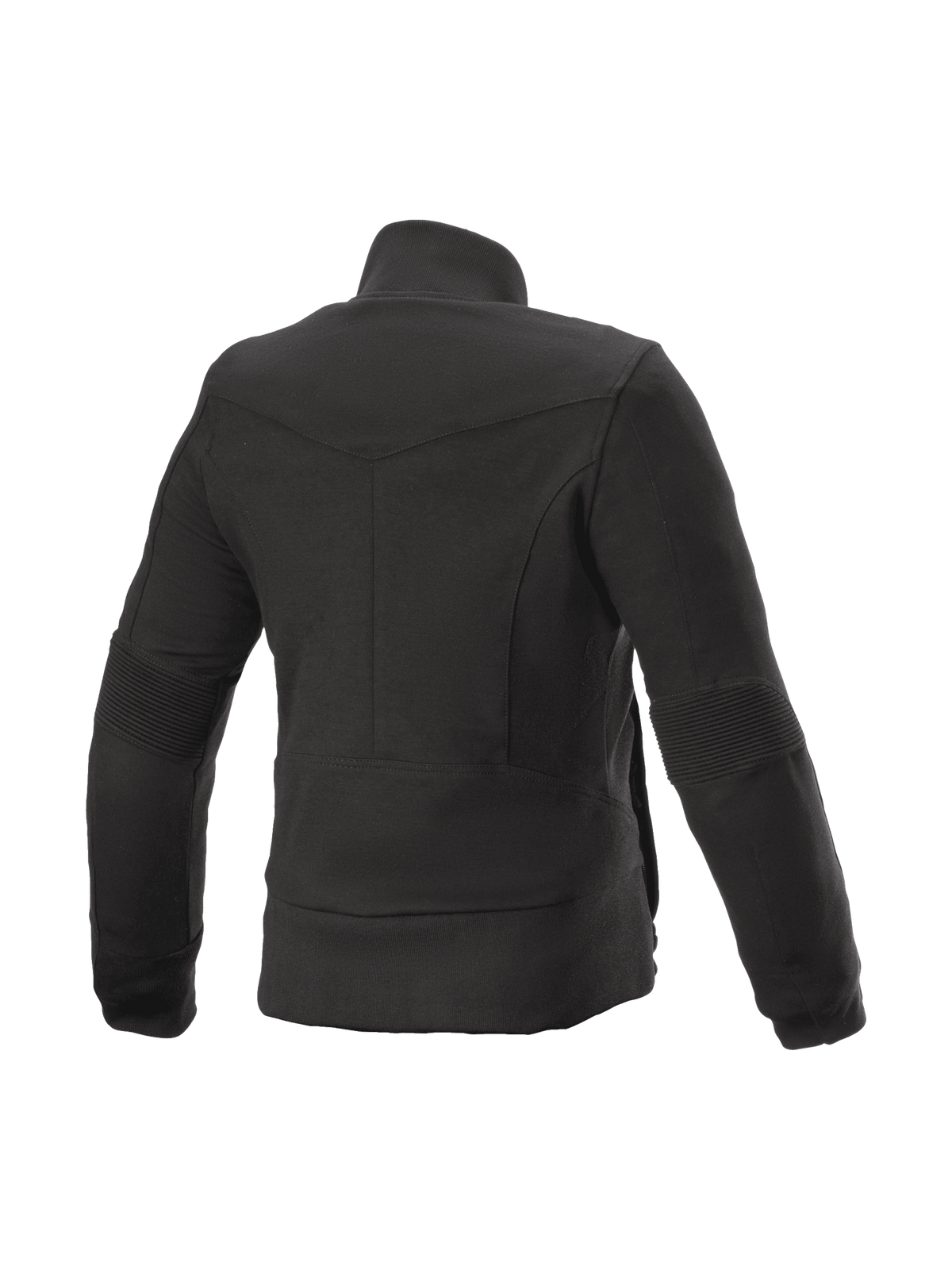
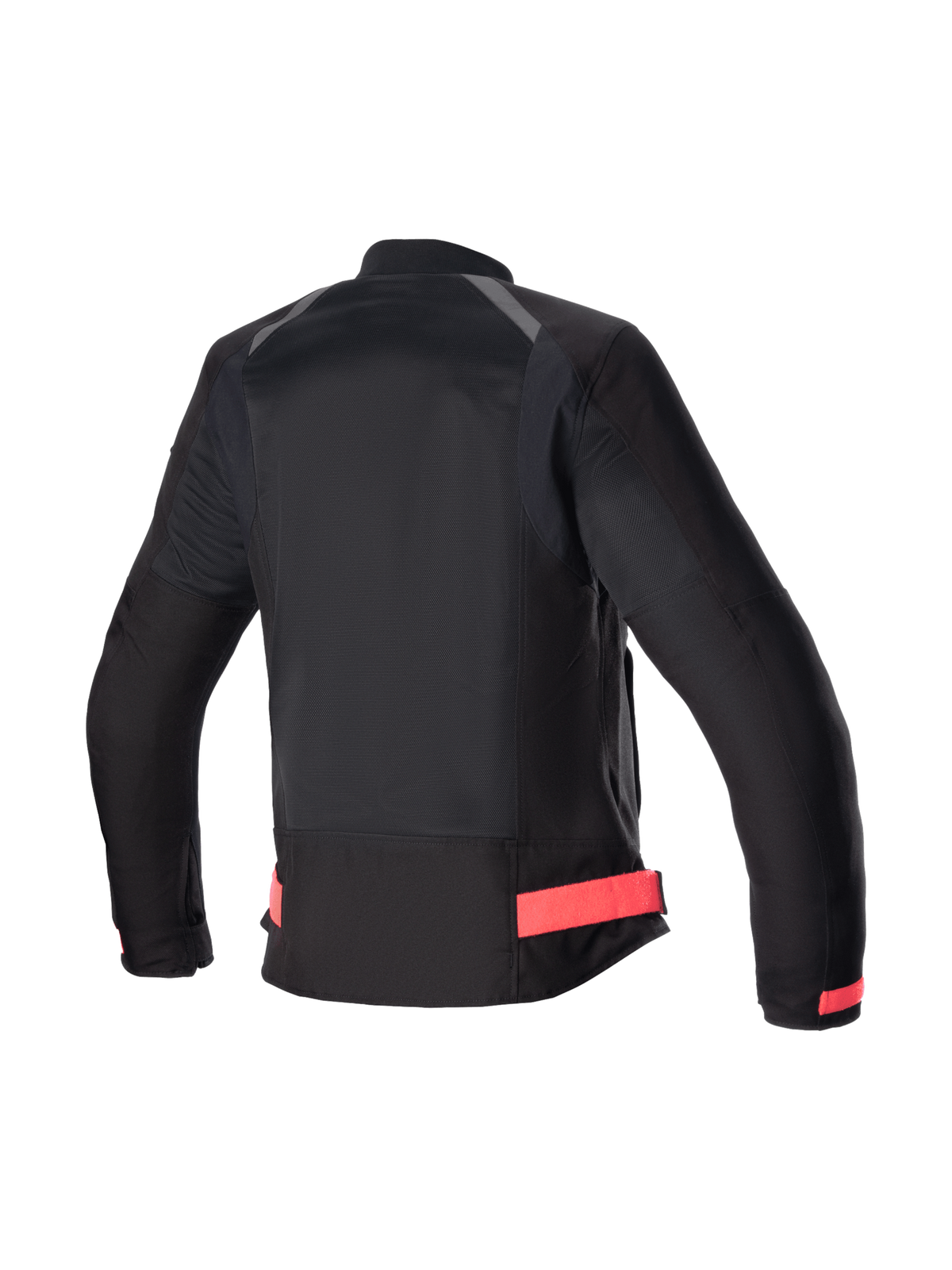
Jaqueta Eloise V2 Air






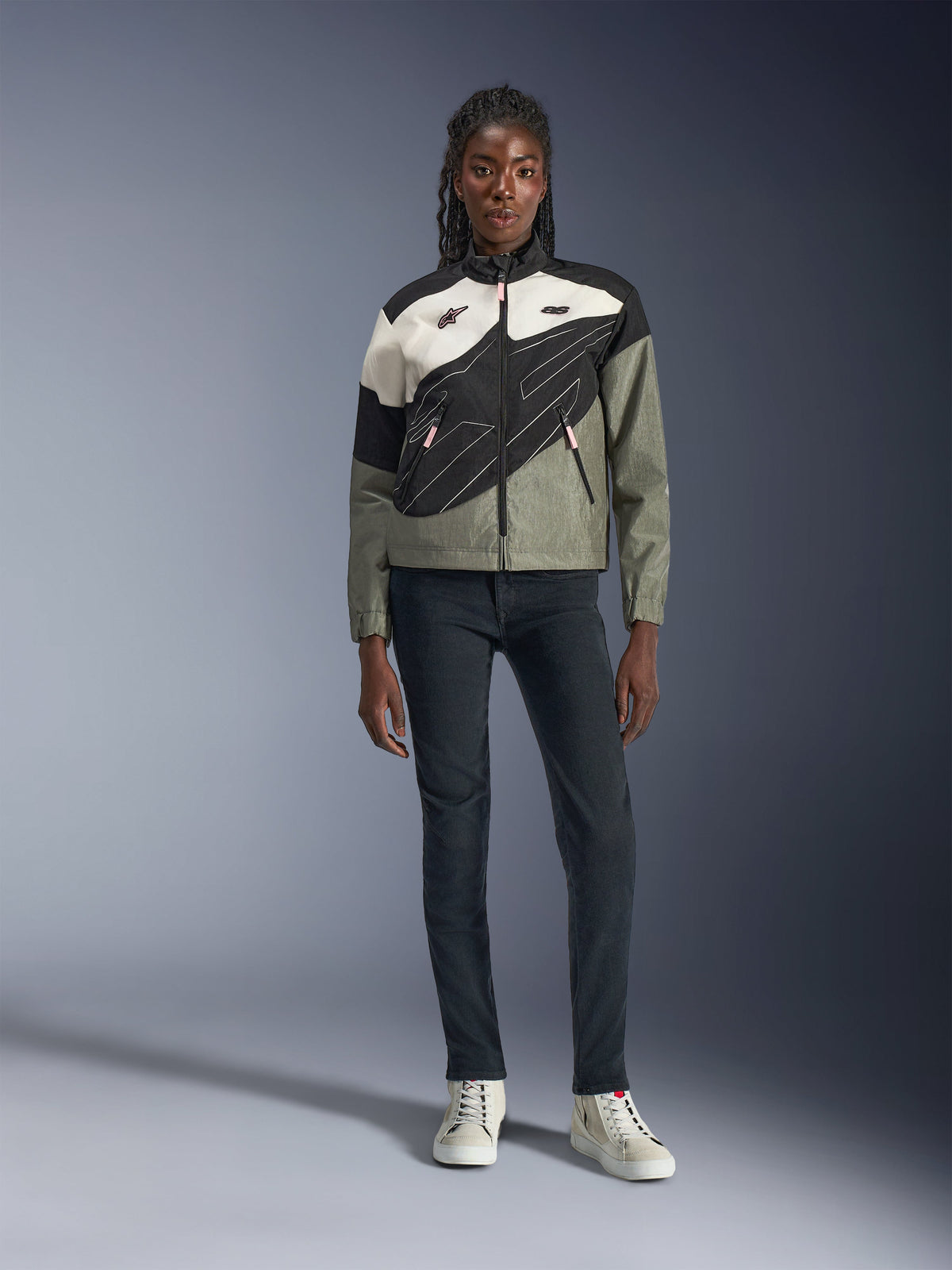

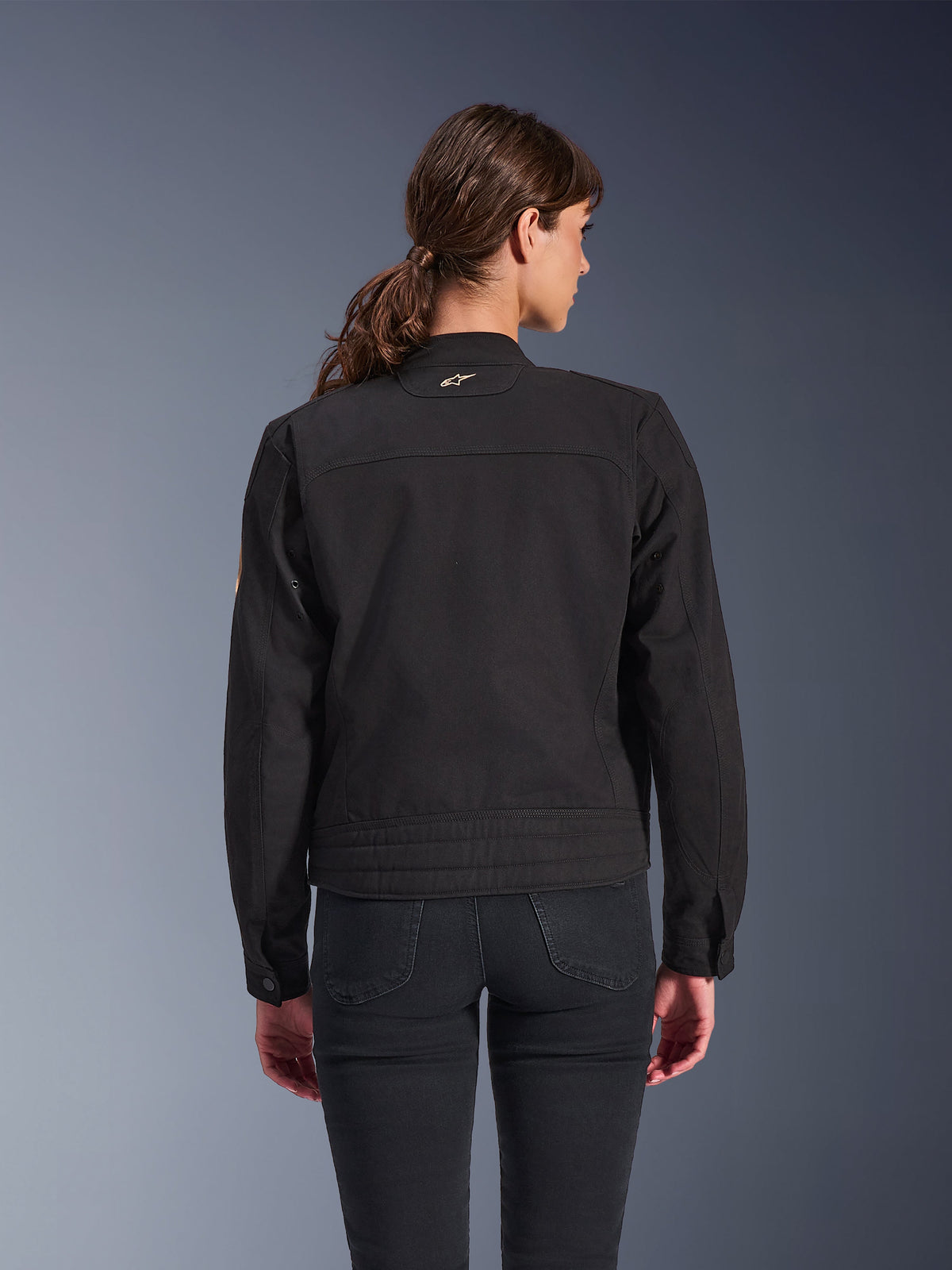

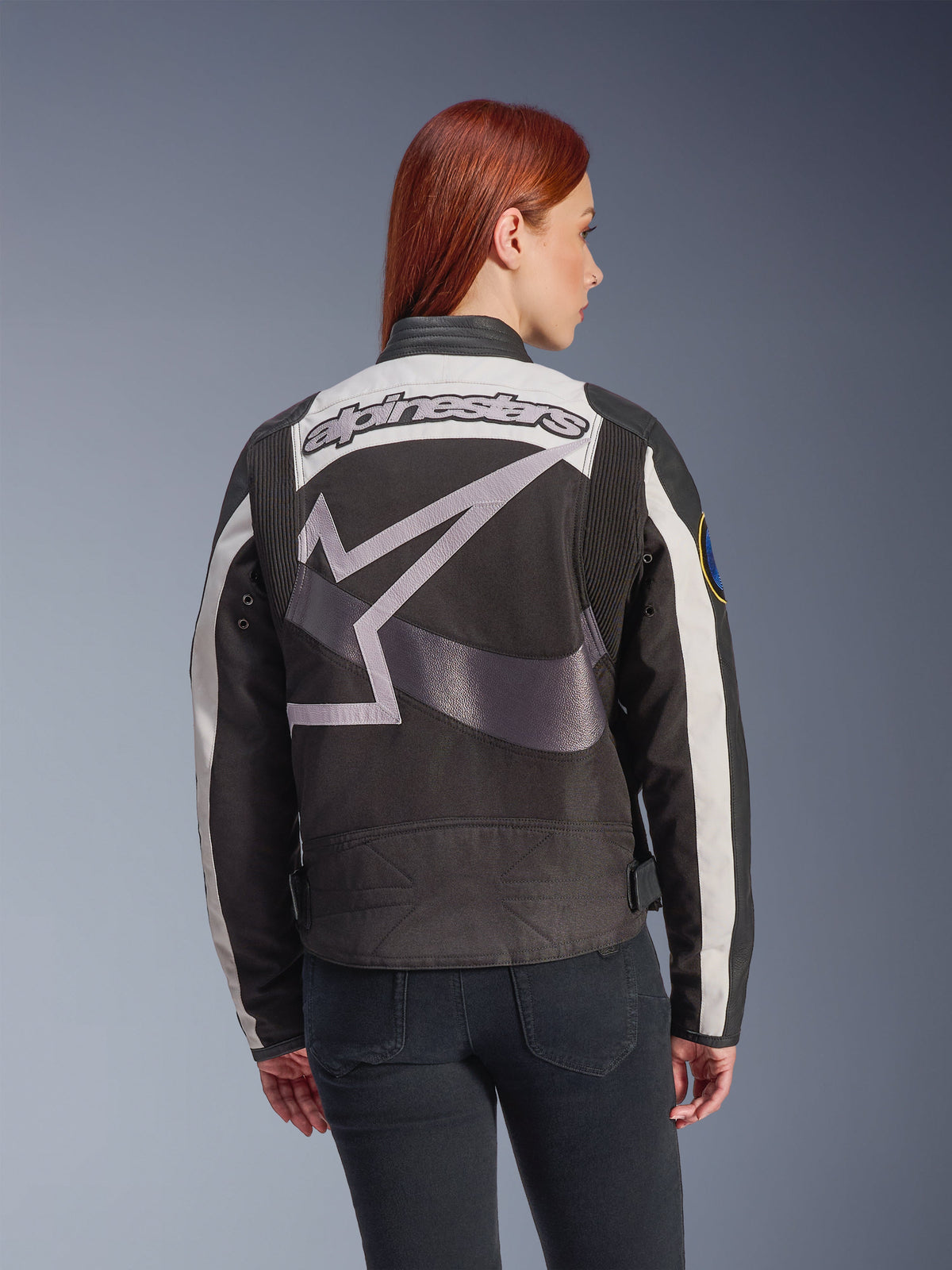


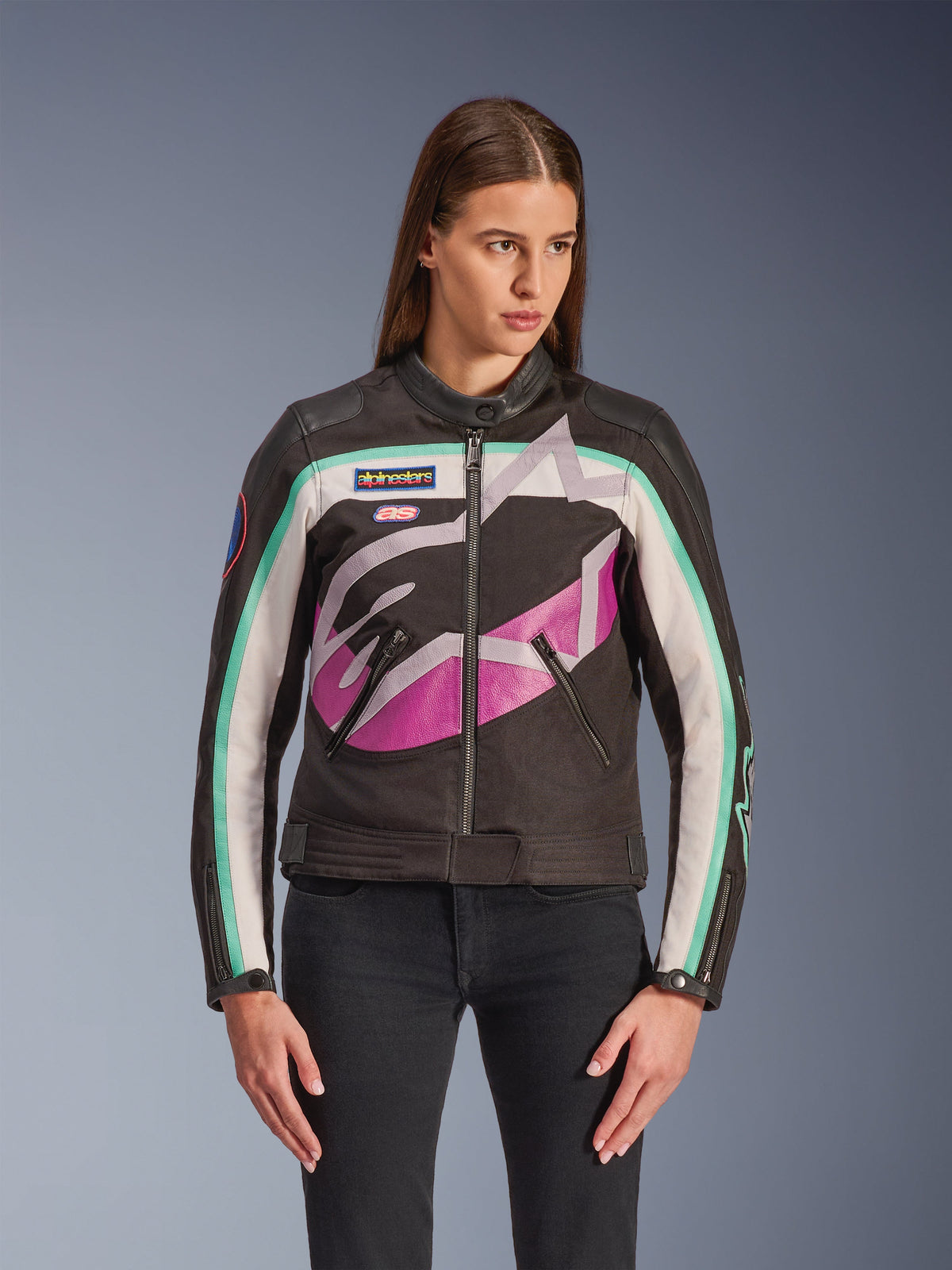
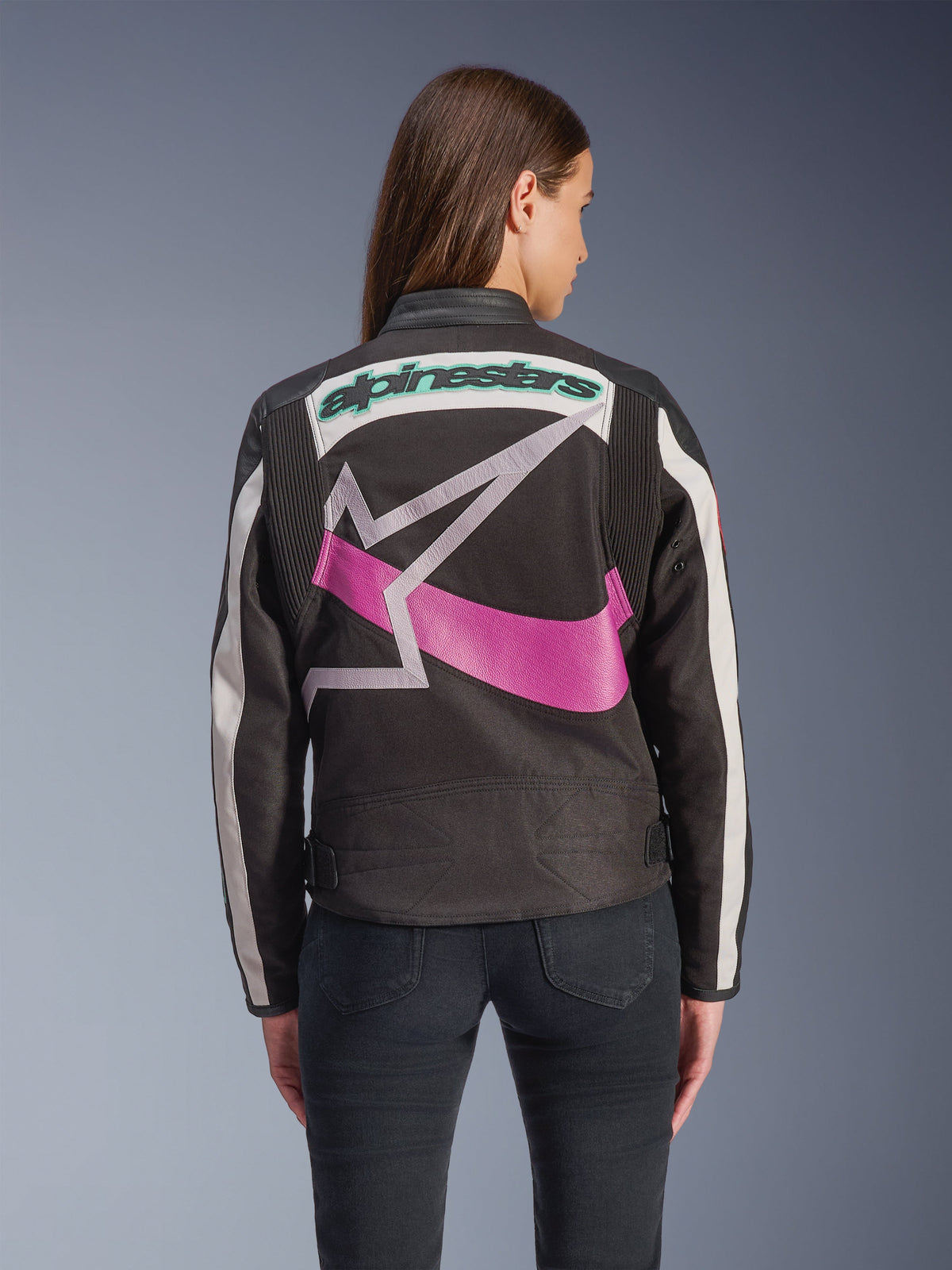
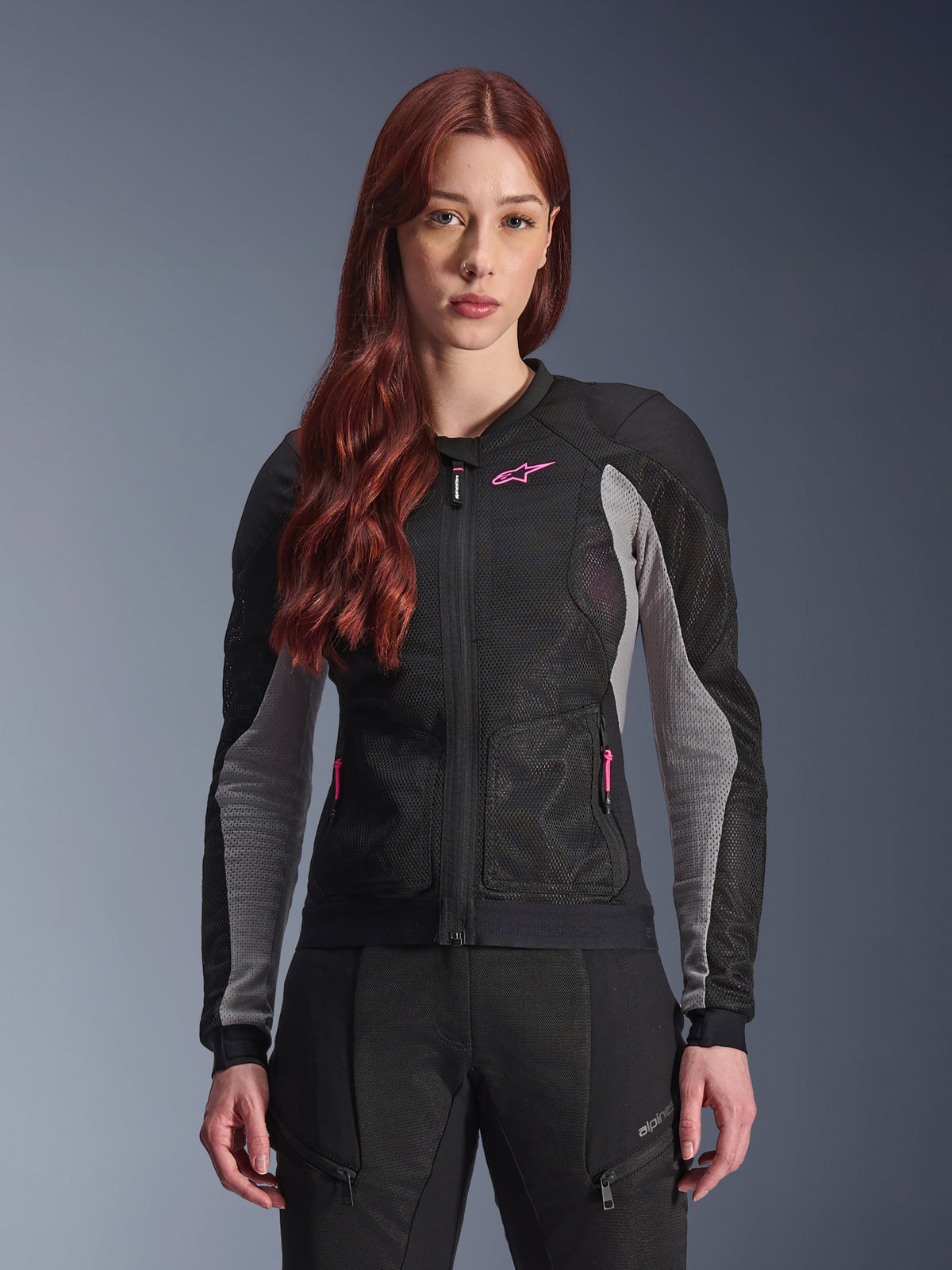
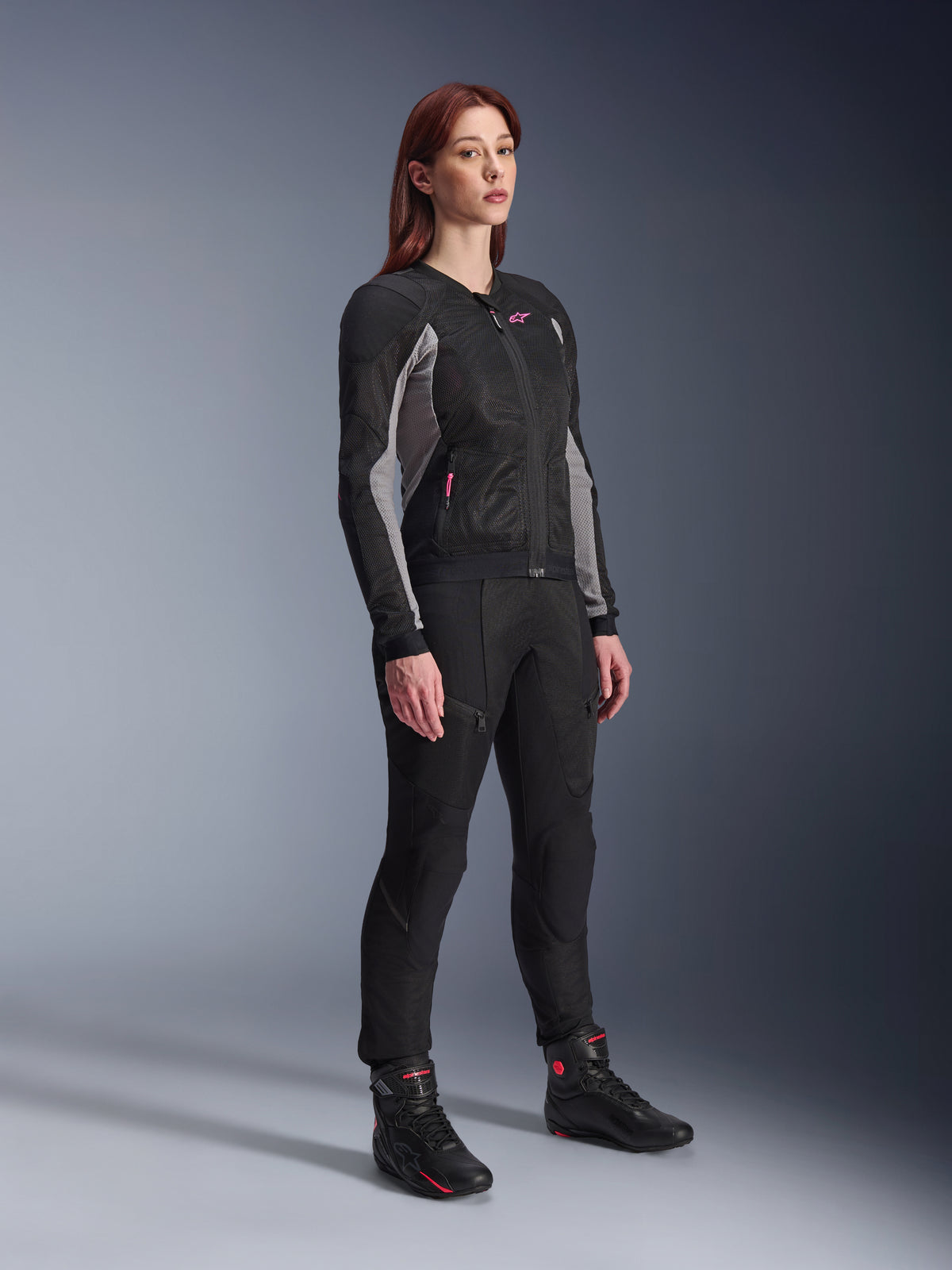


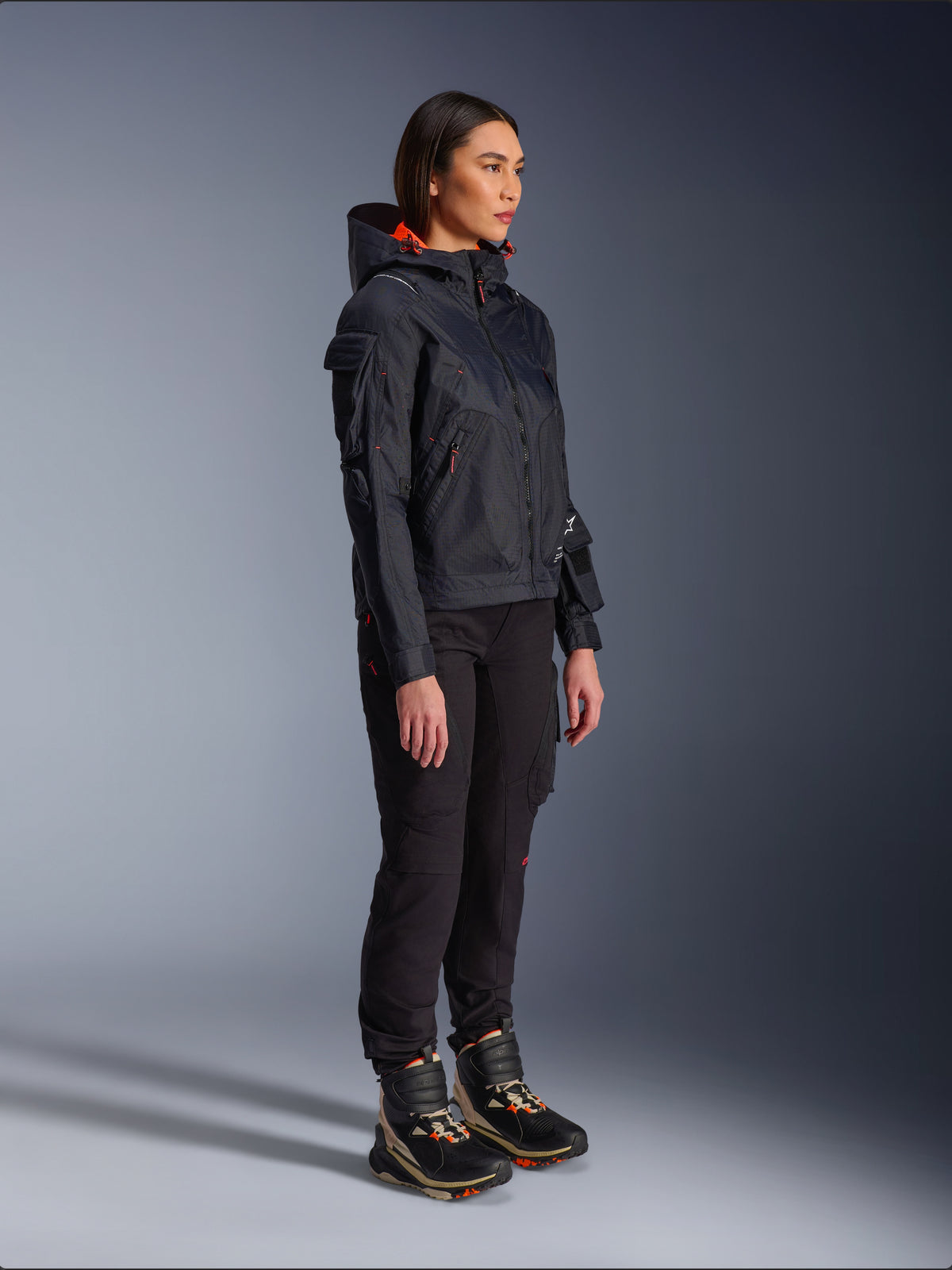


























Perguntas frequentes Ocultar FAQ
Como assentam os casacos urbanos de motociclismo para mulher desta coleção e como devo escolher o tamanho certo?
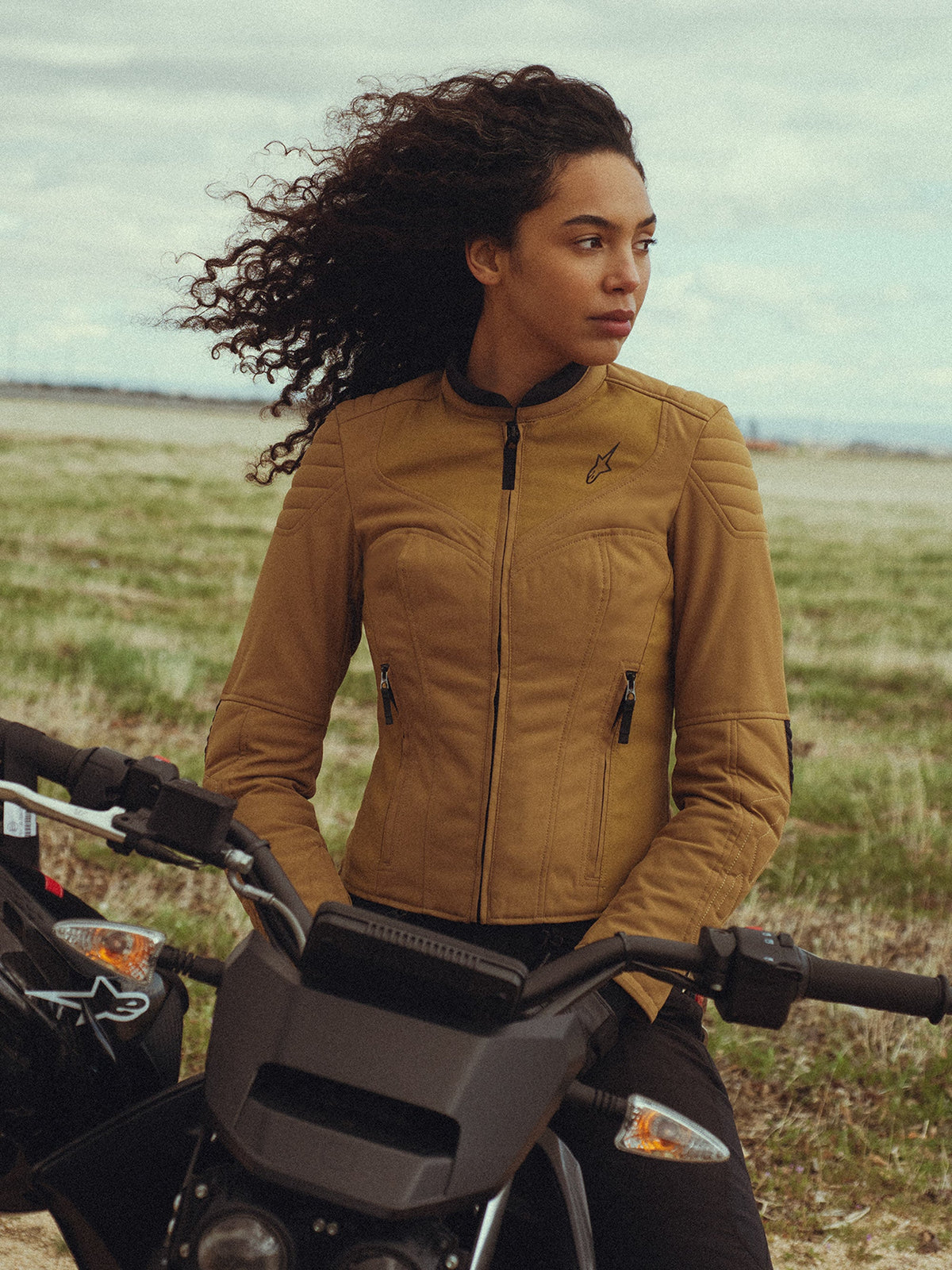
Estes casacos utilizam uma modelação específica para mulher, focada no desempenho, concebida para assentar junto ao corpo sem restringir o alcance ao guiador. Comece por medir peito, cintura e anca e compare essas medidas com a tabela de tamanhos em cada página de produto. O casaco deve ficar ajustado nos ombros e nas mangas, com a proteção corretamente posicionada, e não deve repuxar quando estende os braços em posição de condução.
Se planeia usar roupa interior técnica/camadas intermédias ou utilizar Inserção Para Protetor De Costas, inserções de peito adicionais ou um colete com airbag, tenha isso em conta no espaço necessário. Se estiver entre dois tamanhos, considere as camadas que pretende usar e escolha o tamanho que mantenha a mobilidade e o posicionamento correto da proteção.
Que certificações de segurança e proteção devo procurar em casacos urbanos para mulher?
A maioria dos casacos técnicos de motociclismo faz referência às classificações de peça EN 17092 (AAA/AA/A) para indicar o desempenho global em abrasão e costuras. Os casacos com foco urbano visam normalmente a classe A ou AA para equilibrar proteção e flexibilidade; uma utilização a velocidades mais elevadas pode justificar AA ou AAA, consoante a construção.
Para proteção contra impacto, procure proteção com certificação CE segundo a EN 1621-1 nos ombros e cotovelos e um bolso ou inserção segundo a EN 1621-2 para as costas (alguns estilos também aceitam inserções de peito divididas segundo a EN 1621-3). Consulte a descrição e a etiqueta de cada produto para confirmar a norma e o nível exatos.
Que materiais funcionam melhor para condução na cidade e para diferentes estações nesta coleção?
A construção varia para equilibrar fluxo de ar, proteção contra as intempéries e resistência à abrasão. Use este guia para relacionar os materiais com as condições:
| Material | Utilização Urbana | Principais Propriedades |
|---|---|---|
| Têxtil / Malha | Deslocações em tempo quente | Leve; painéis respiráveis; secagem rápida |
| Softshell / têxtil de estilo casual | Condições mistas, visual discreto | Estruturas flexíveis; frequentemente com bolsos para proteção; resistência ao vento/água variável |
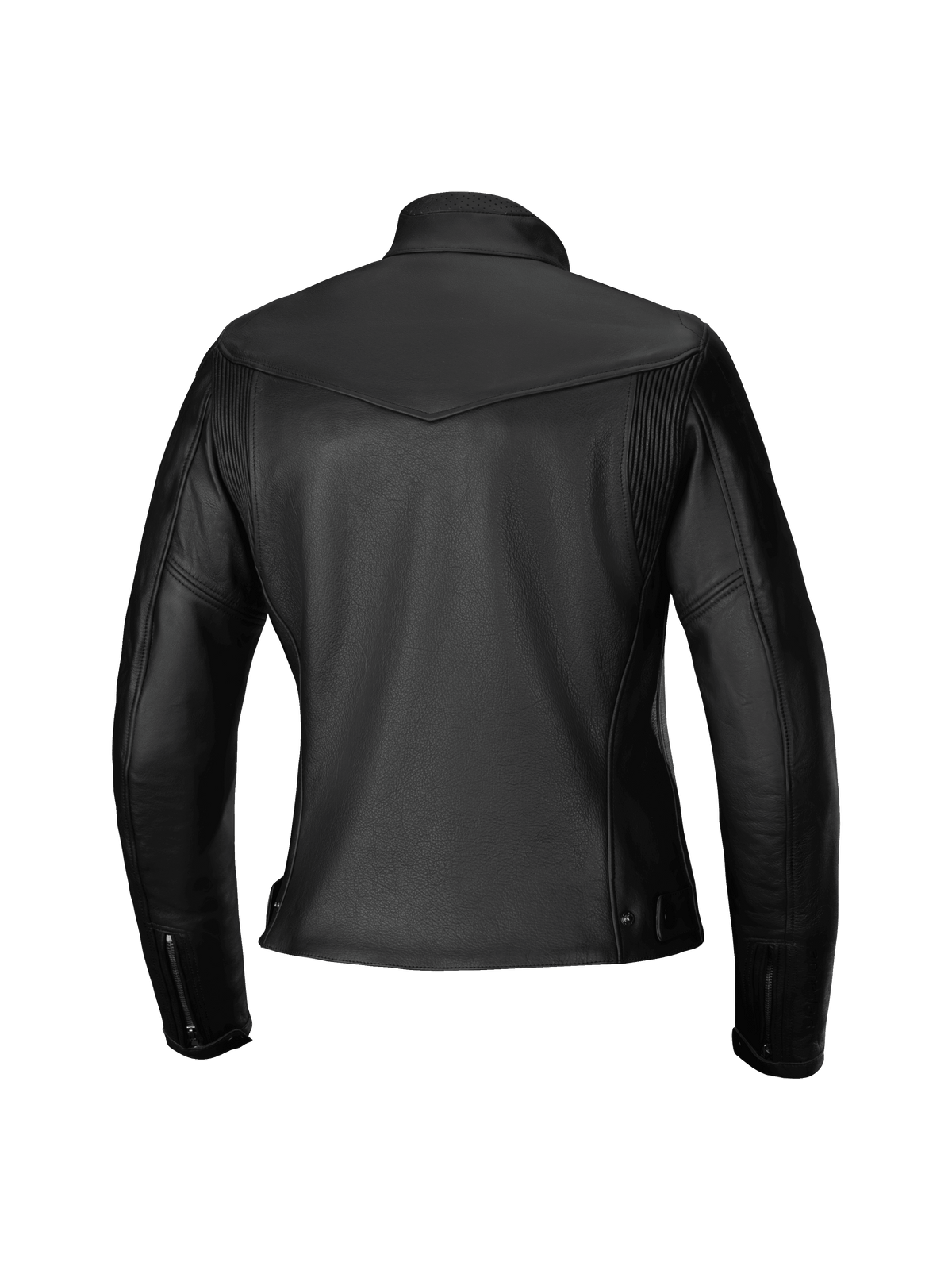
| Couro (frequentemente perfurado) | Tempo temperado, zonas de maior abrasão | Elevada resistência à abrasão; ajuste mais justo; impermeabilização limitada |
Escolha ventilação (malha/perfurações), forros térmicos ou membranas impermeáveis com base no seu clima e na velocidade habitual de deslocação. Para explorar opções relacionadas, veja os casacos urbanos ou a gama mais ampla de casacos de motociclismo para mulher.
Os casacos urbanos para mulher desta coleção são compatíveis com sistemas de airbag Tech-Air® ou atualizações de proteção?
Muitas peças incluem bolsos para inserções de proteção com certificação CE e algumas estão identificadas como “Tech-Air® Compatible/Ready”. A compatibilidade depende do molde específico do casaco, das zonas elásticas e da folga prevista para a ativação. Verifique sempre a página do produto para confirmar claramente a compatibilidade antes de combinar os sistemas.
Para confirmar, visite os sistemas Tech-Air® e utilize o verificador de compatibilidade Tech-Air® para verificar o seu casaco e selecionar o colete com airbag adequado.
Como devo lavar e cuidar de um casaco urbano de motociclismo para manter o desempenho?
Para têxteis: retire a proteção e quaisquer componentes eletrónicos, feche fechos e velcro, e lave à máquina a frio num programa delicado com detergente suave apenas se a etiqueta de cuidados o permitir. Evite lixívia e amaciadores, e depois deixe secar ao ar, longe de fontes diretas de calor. Reative ou reaplique o tratamento DWR na camada exterior quando a água deixar de formar gotas; calor baixo pode ajudar a reativar o DWR se a etiqueta o permitir.
O couro não deve ser lavado na máquina. Limpe com um pano húmido, deixe secar naturalmente e trate com um produto adequado para couro. Siga sempre as instruções específicas de cuidados indicadas na etiqueta da peça.