
53 resultados
-
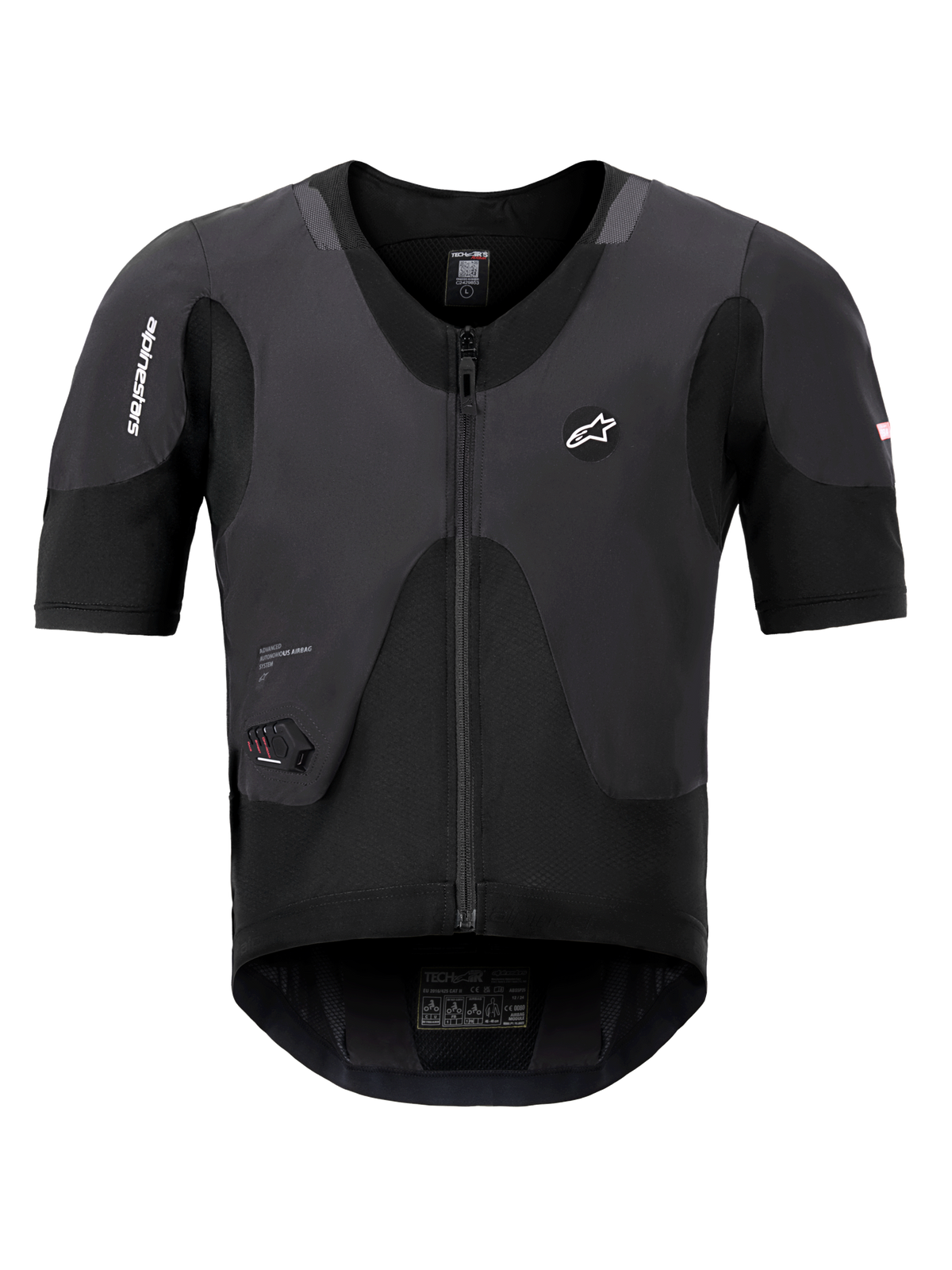
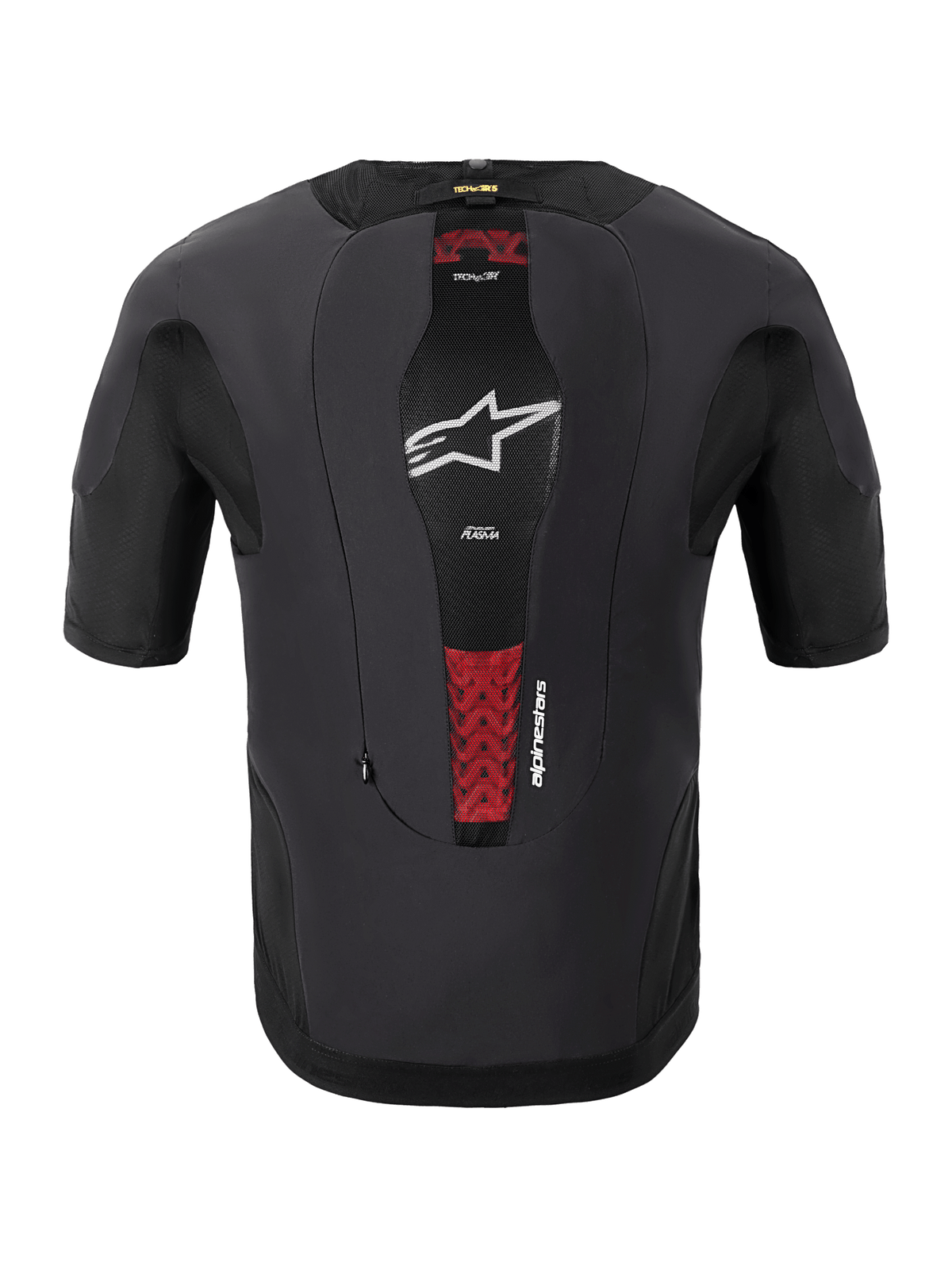
Airbag Tech-Air® 5 Plasma -
Airbag Tech-Air® 10 V2 Race -
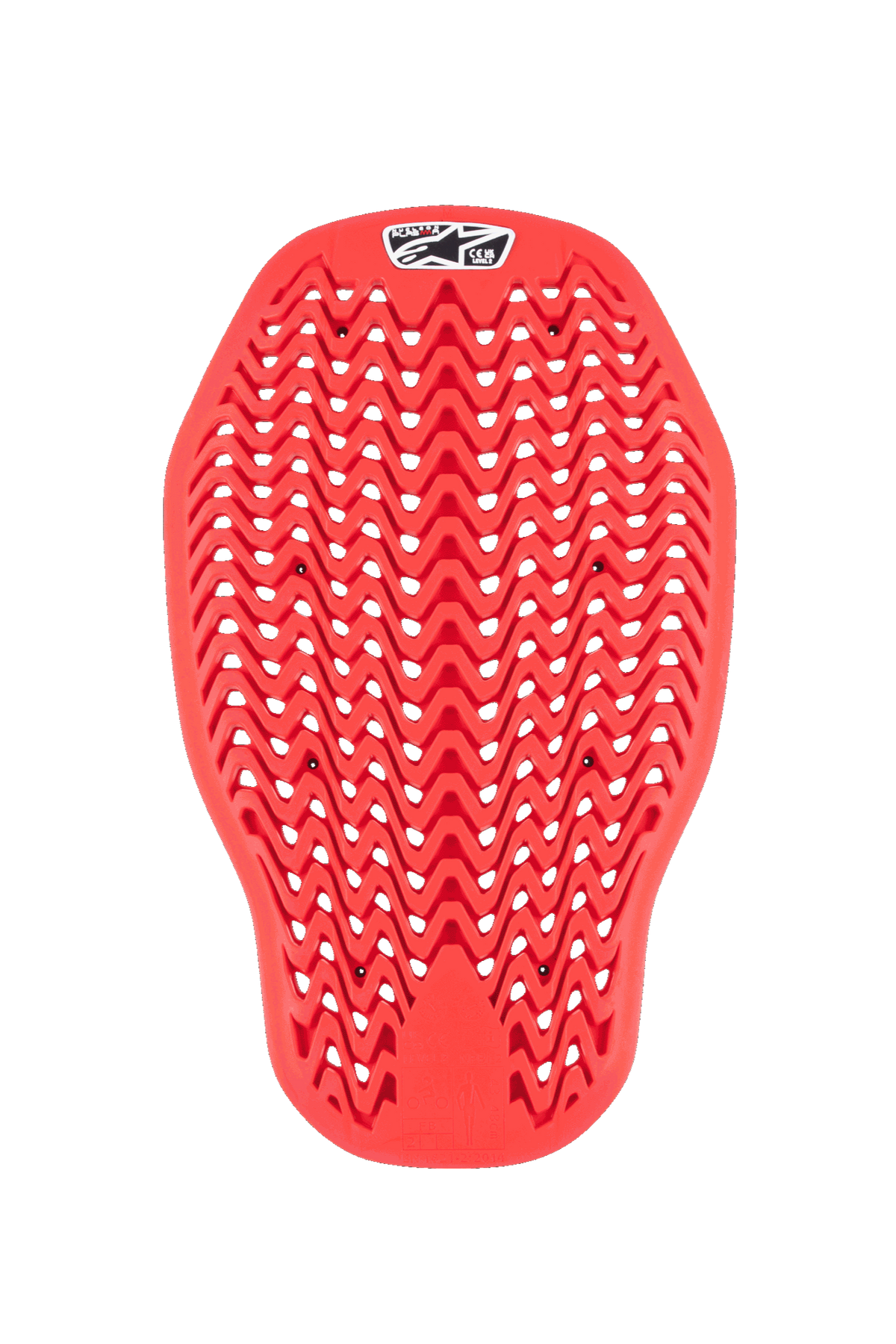
Inserção Para Protetor De Costas Integral Nucleon Plasma -
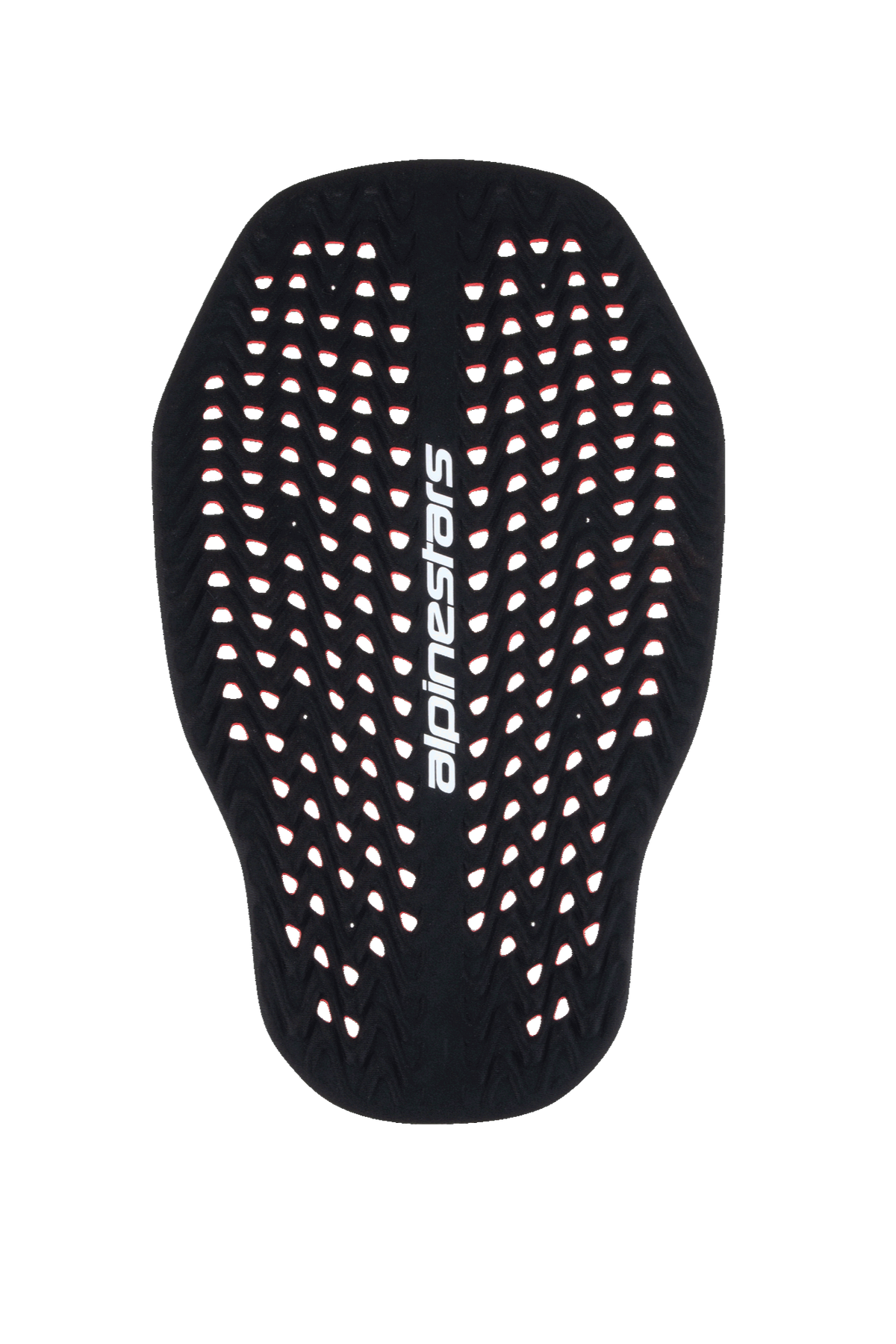
Inserção Para Protetor De Costas Nucleon Plasma -
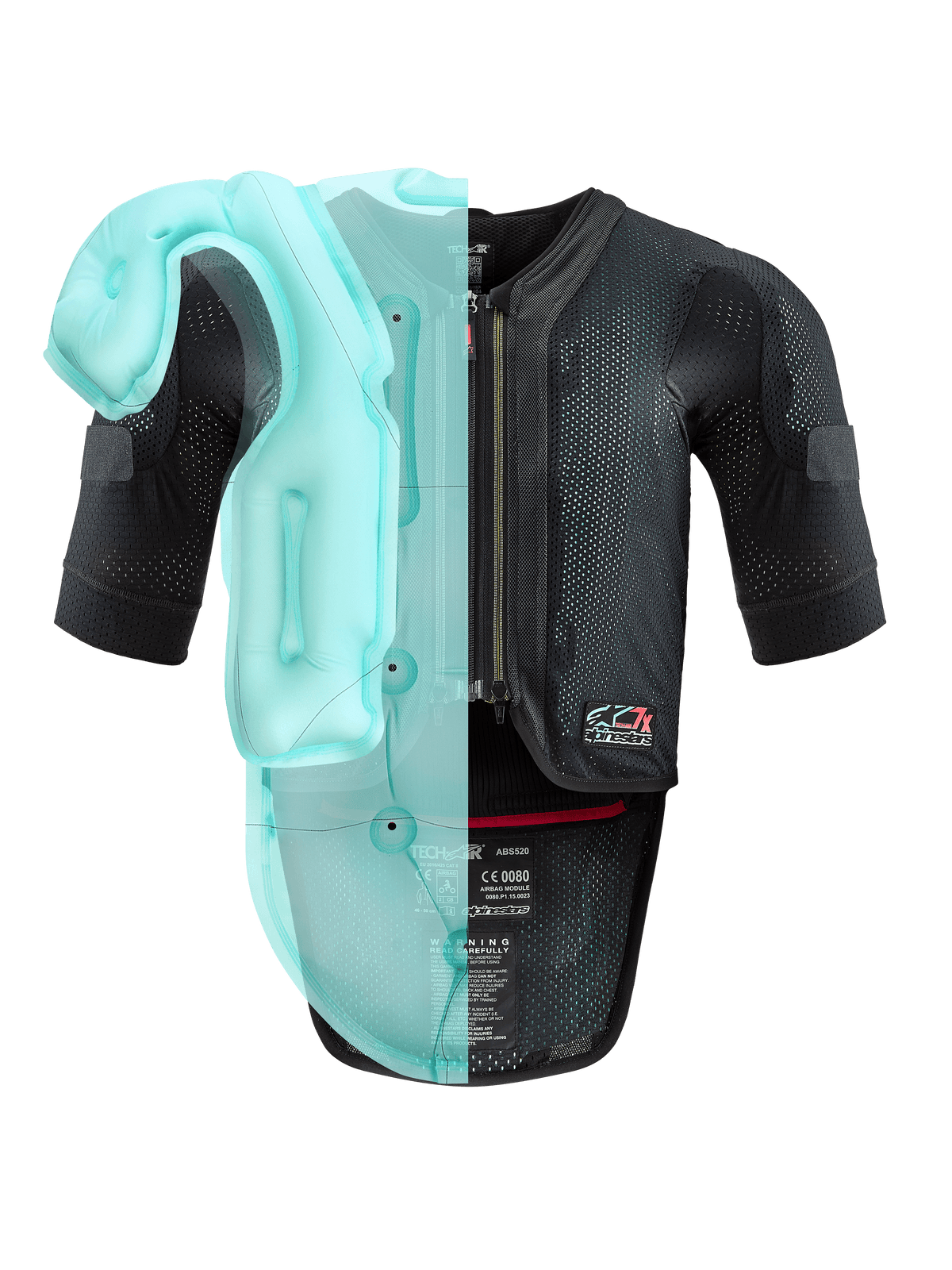
Airbag Tech-Air® 7X -
Airbag Stella Tech-Air® 3 V2 -
Protetor Nucleon Kr-Cell -
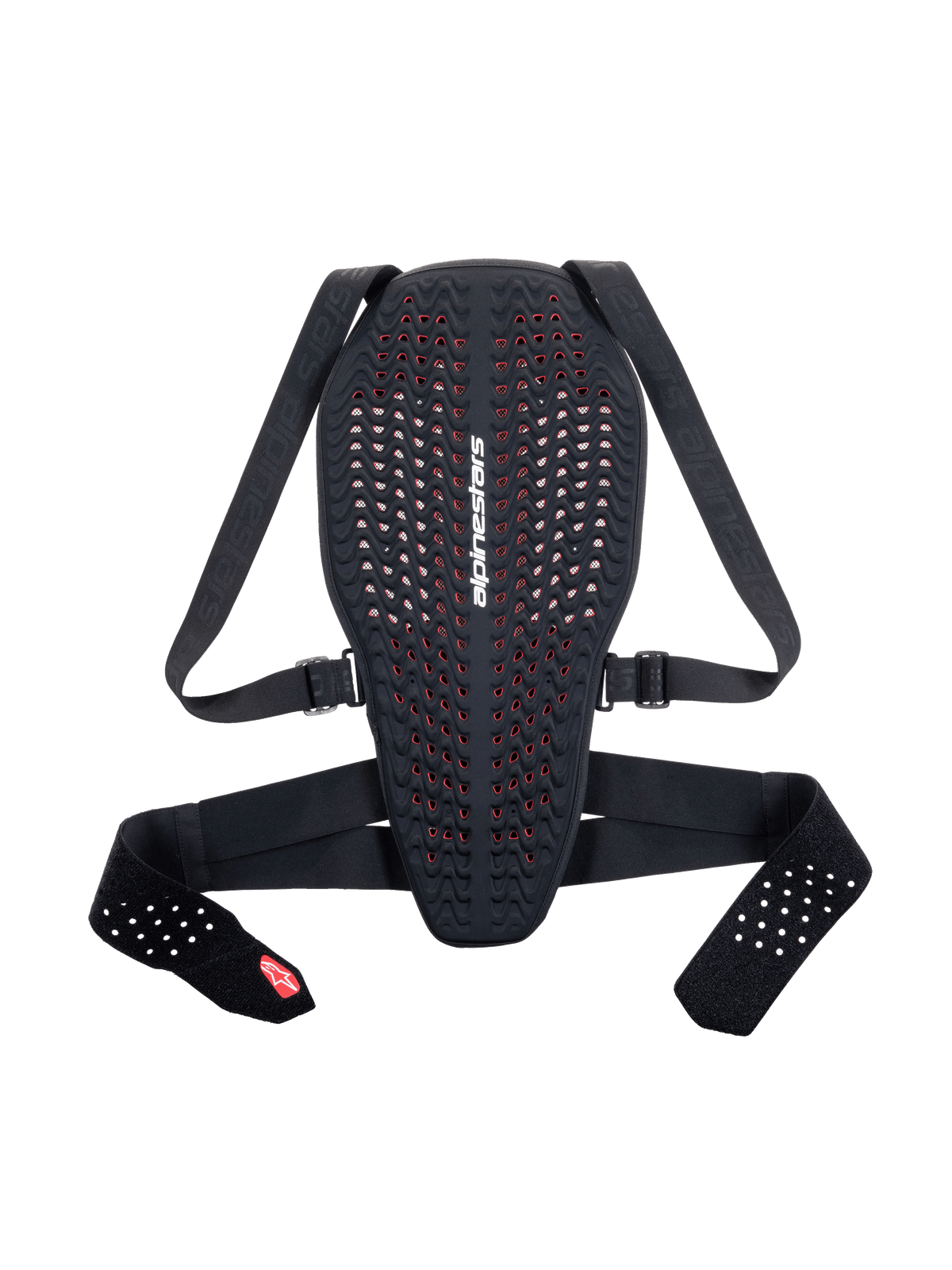
Protetor De Costas Nucleon Kr-2 -
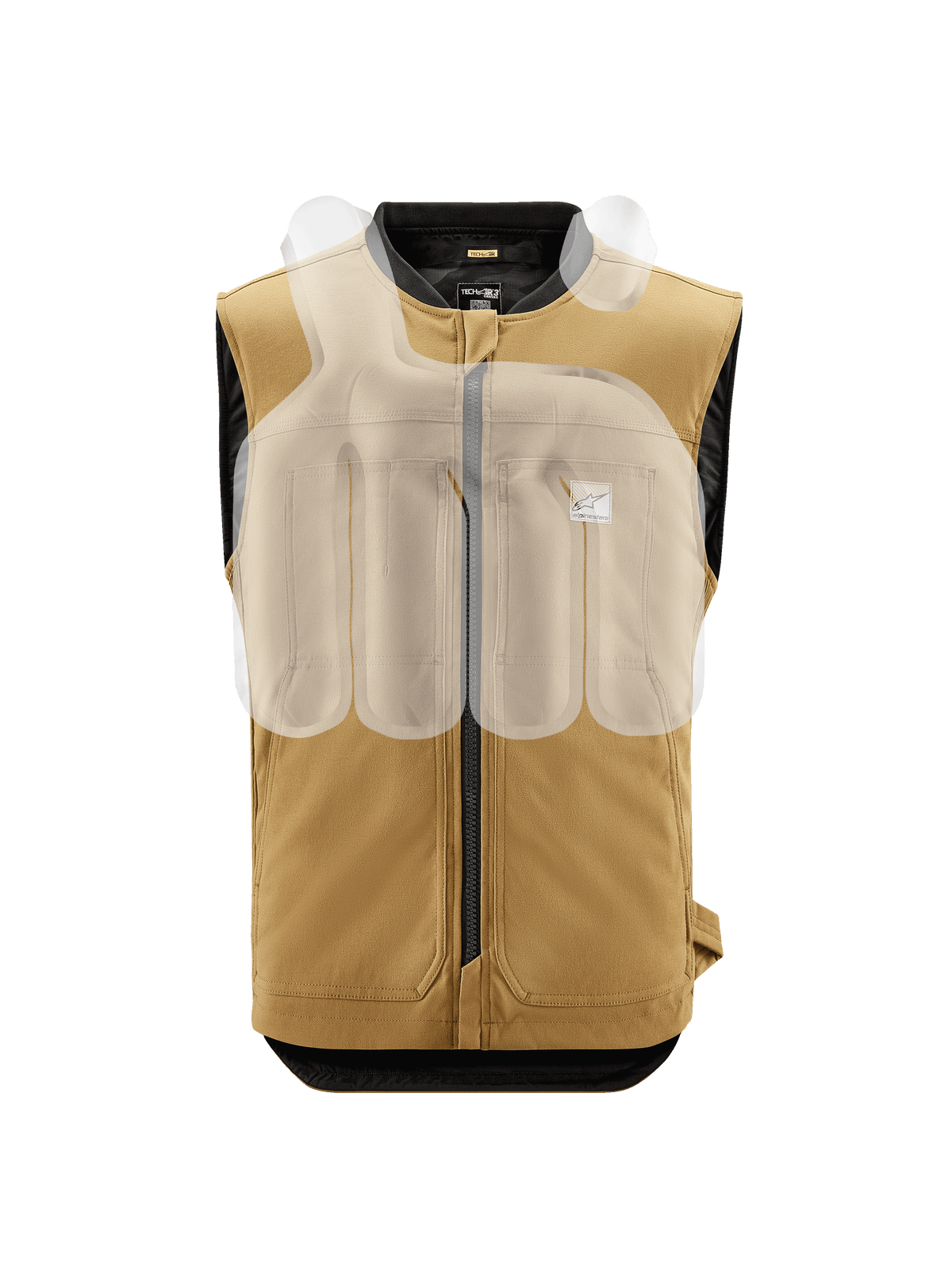
Airbag Tech-Air® 3 V2 Canvas -
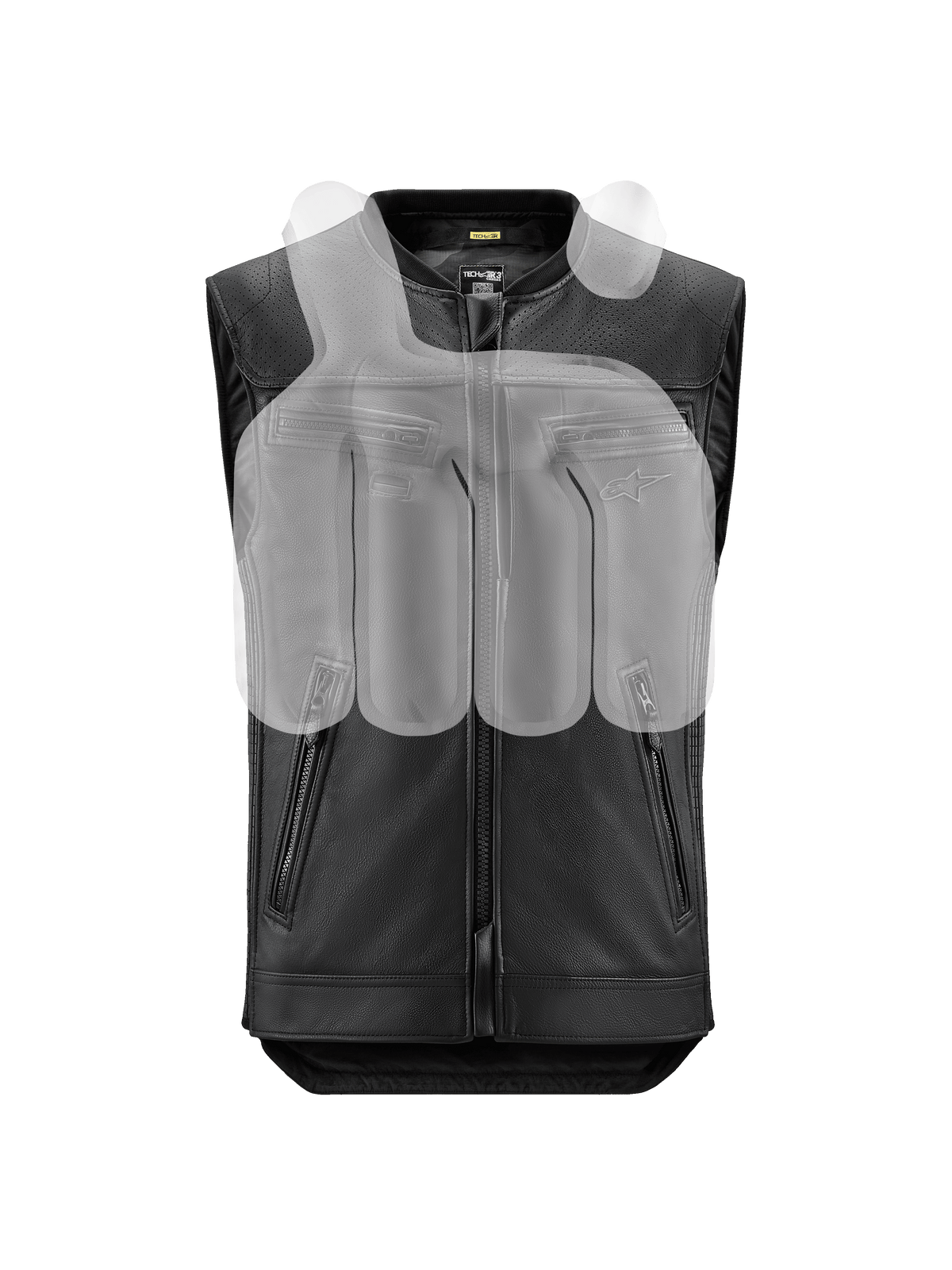
Airbag Tech-Air® 3 V2 De Couro -
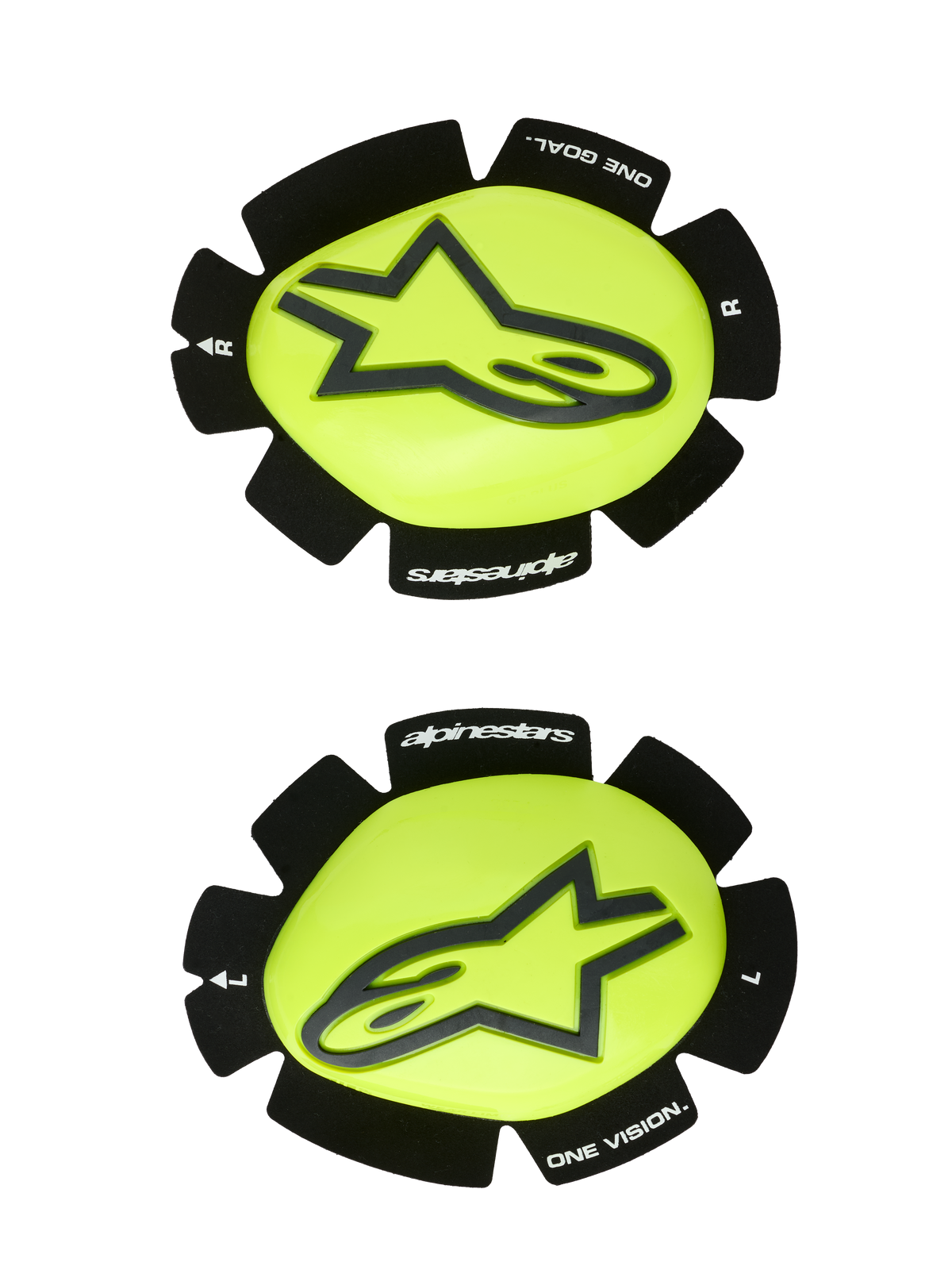
Knee Slider GP Plus -
Knee Slider GP Tech -
Airbag Tech-Air® 3 V2 Canvas -
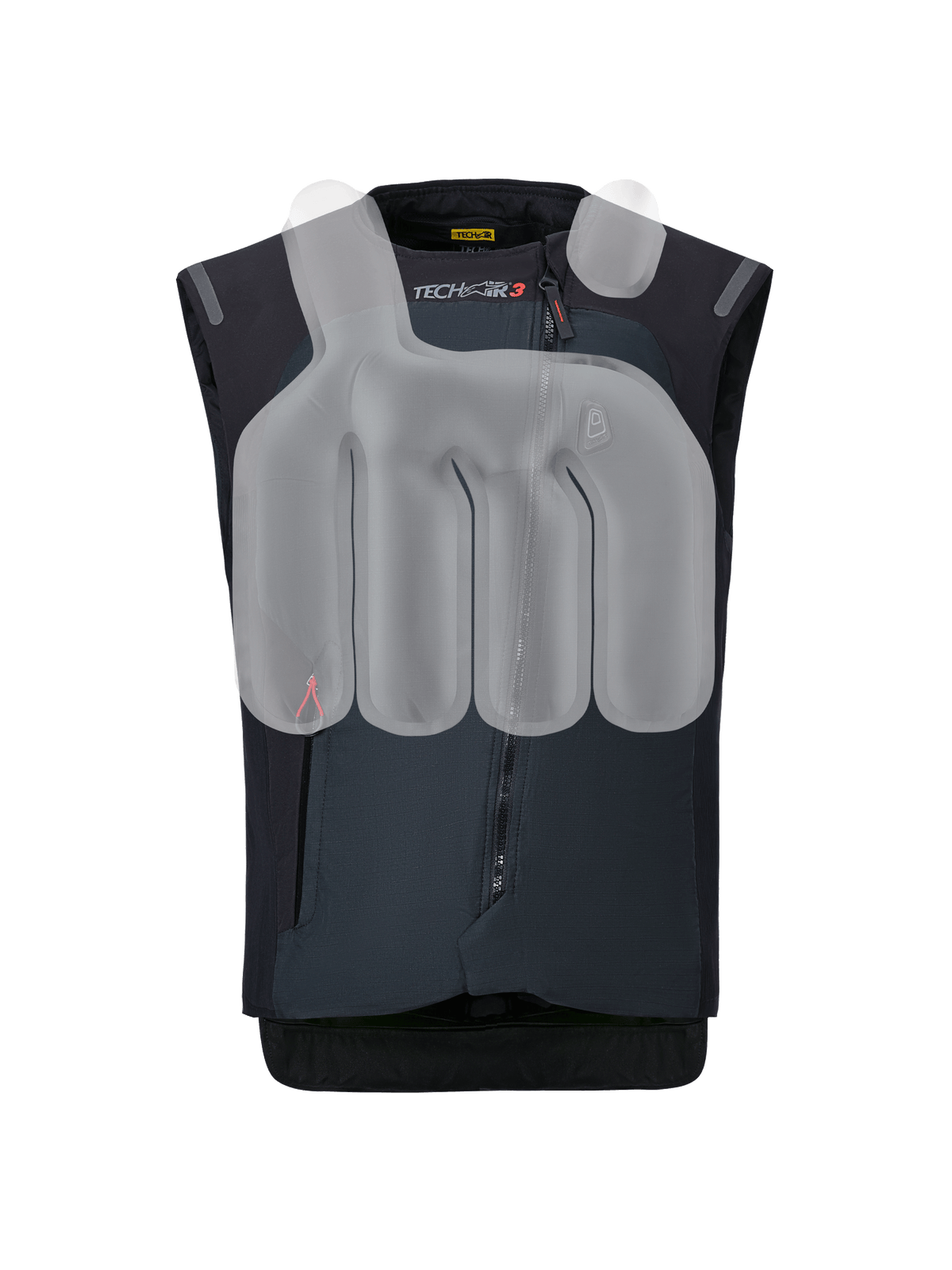
Airbag Tech-Air® 3 V2 -
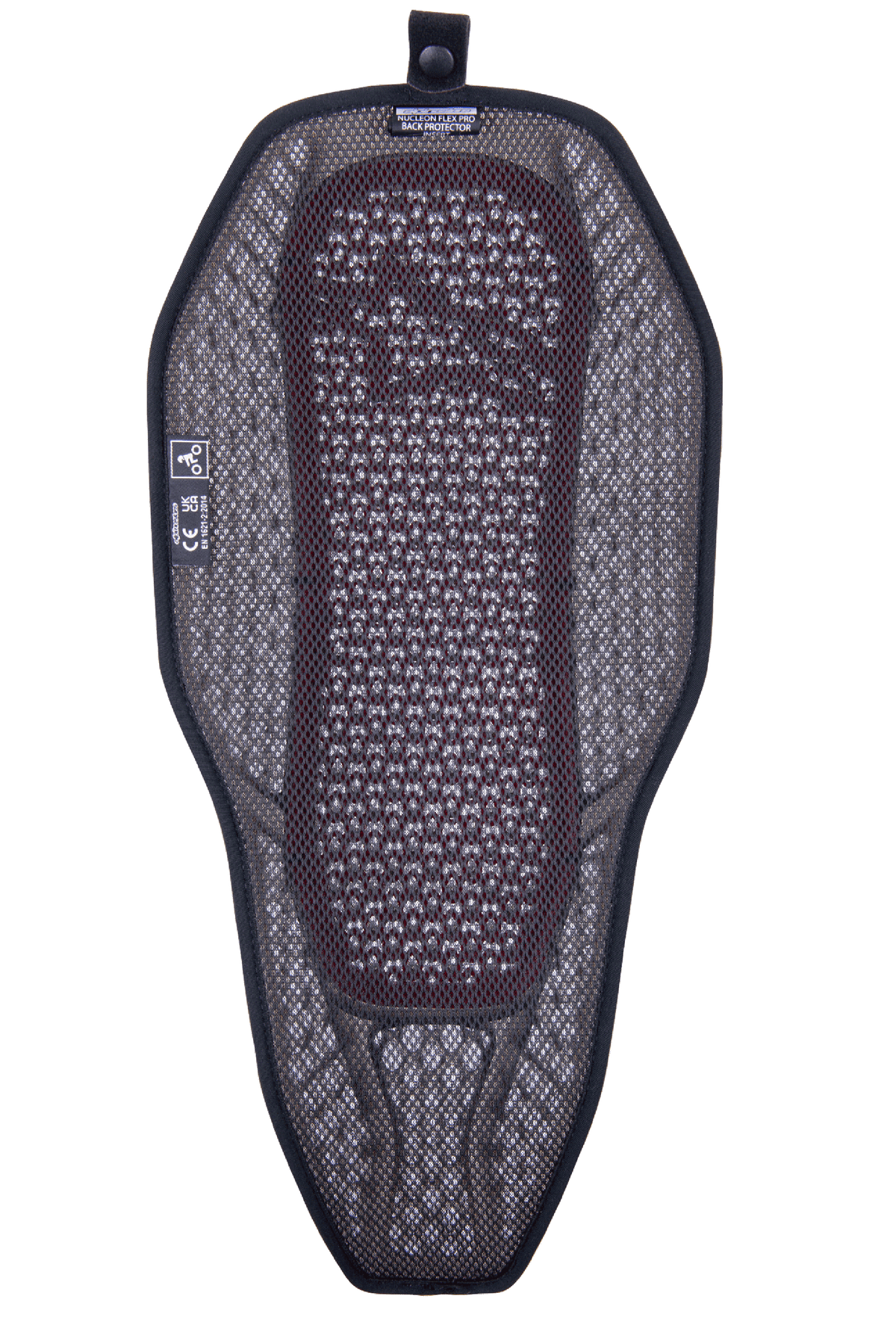
Inserção Para Protetor De Costas Integral Nucleon Flex Pro -
Protetor De Costas Nucleon KR-1 Cell i -
Airbag Tech-Air® 3 V2 -
Tech-Air® 5 Airbag -
Protetores De Quadril Nucleon Morph STEALTH -
Protetor De Joelho Nucleon Morph STEALTH -
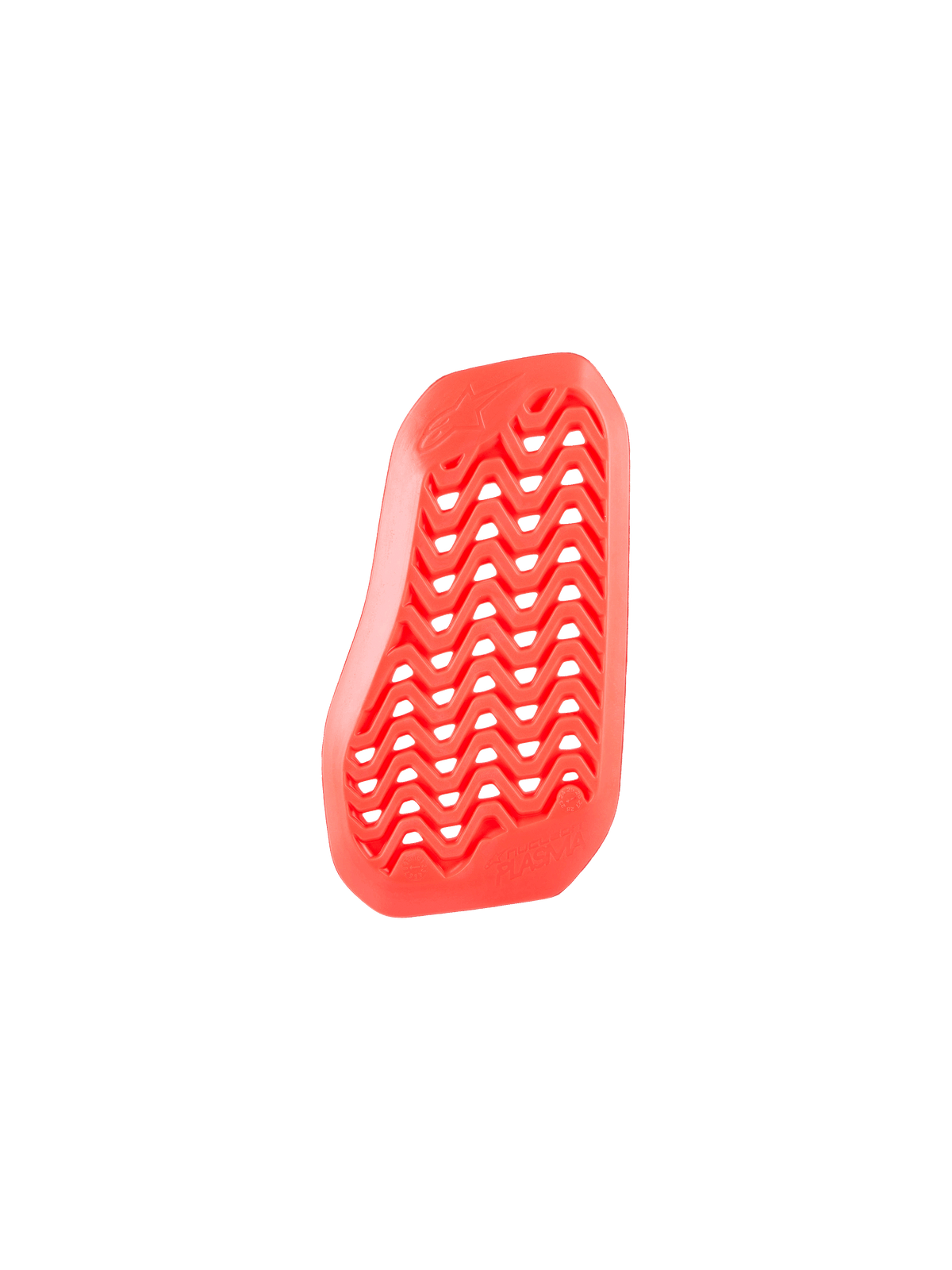
Protetor De Peito Dividido Nucleon Plasma -
Inserção Para Protetor De Peito Integral Nucleon Plasma -
Protetor De Costas Nucleon Plasma -
Protetor De Costas Nucleon Kr-2 -
Knee Slider GP Plus -
Knee Slider GP Plus -
Protetor De Costas Nucleon Kr-3 -
Protetor De Costas Nucleon Kr-Y Jovem -
Knee Slider GP Tech -
Knee Slider GP Plus -
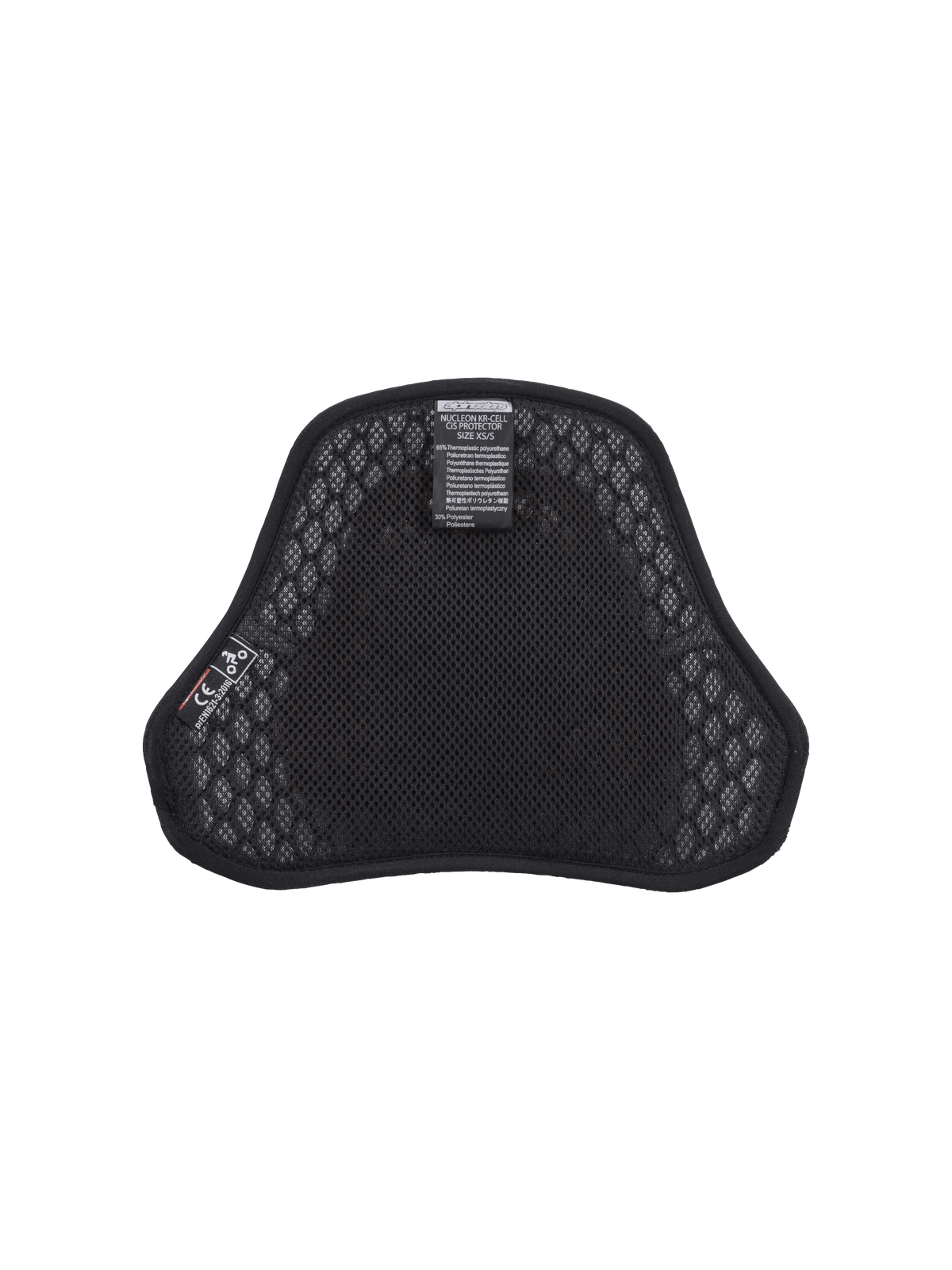
Protetor Nucleon Kr Cell Ci S -
Protetor De Peito Integral Nucleon Plasma Com Velcro -
Protetores Nucleon KR Cell Cir -
Arnês De Peito Nucleon Kr-C -
Protetor De Costas Nucleon KR-1 Cell -
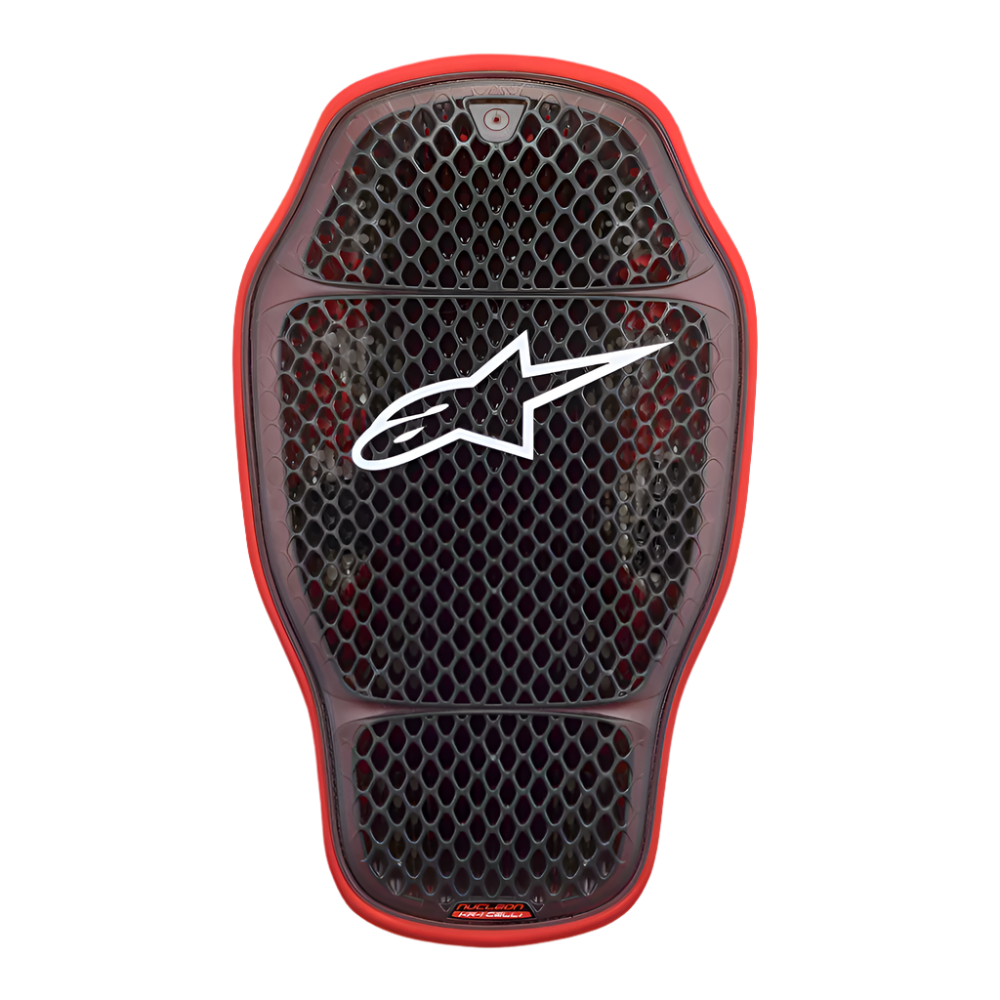
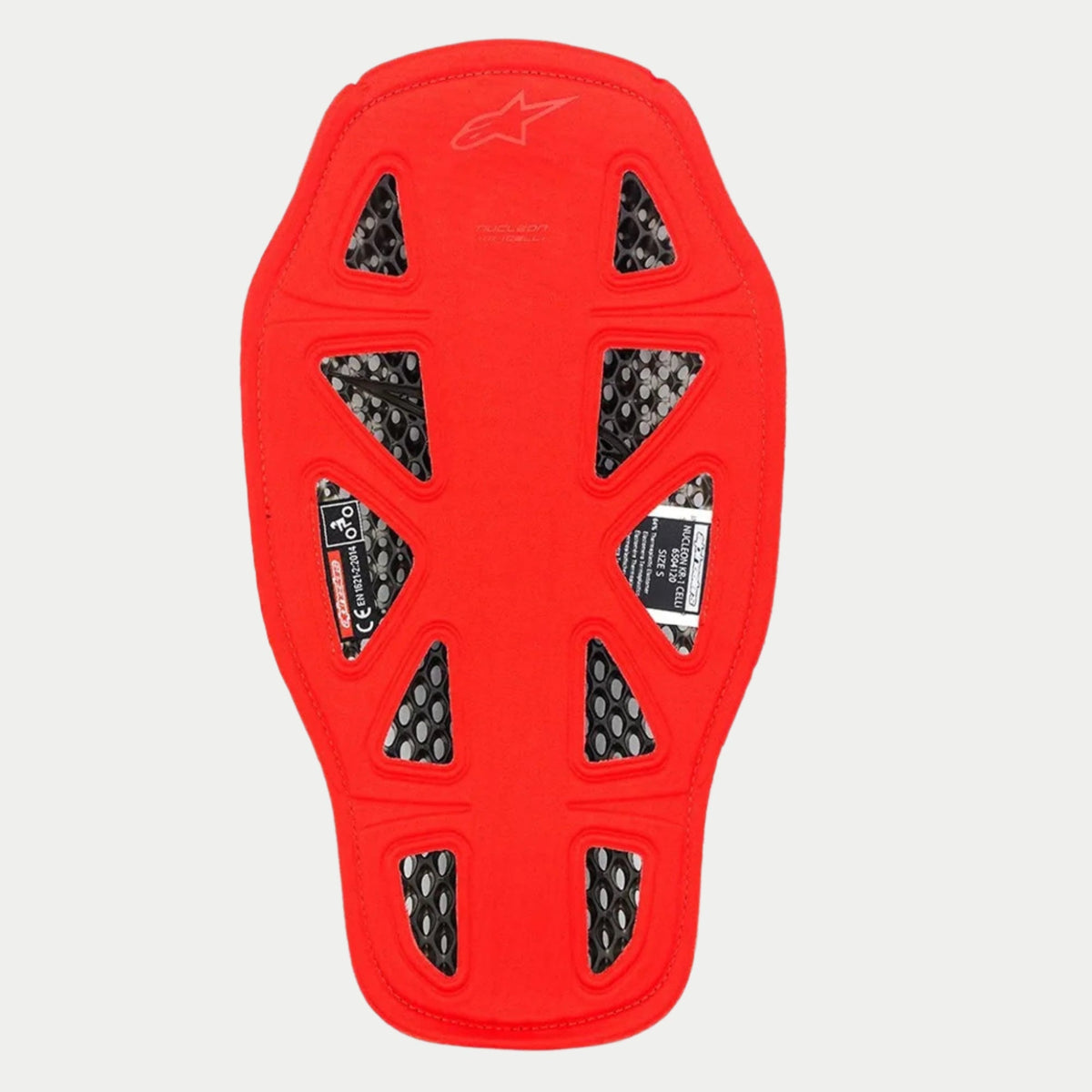
Inserção Para Proteção De Costas Nucleon Kr-Celli































Perguntas frequentes Ocultar FAQ
O que significam os níveis CE 1 e 2 nas proteções corporais de moto?
Os níveis CE indicam a força de impacto que uma proteção deixa passar nos ensaios segundo as normas EN. O Nível 2 permite uma força transmitida inferior à do Nível 1, oferecendo uma maior capacidade de atenuação de impactos quando a proteção está corretamente ajustada.
| Norma | Zona | Nível 1 (força média máxima) | Nível 2 (força média máxima) |
|---|---|---|---|
| EN 1621‑1 | Ombro, cotovelo, anca, joelho (membros) | ≤ 35 kN | ≤ 20 kN |
| EN 1621‑2 | Costas | ≤ 18 kN | ≤ 9 kN |
| EN 1621‑3 | Peito | ≤ 18 kN | ≤ 9 kN |
Escolhe o nível que corresponde às tuas necessidades de condução e conforto. As proteções de níveis superiores podem ser mais espessas ou mais firmes; garante um ajuste adequado para que a proteção se mantenha corretamente posicionada na moto.
Como escolho o tamanho e o ajuste certos para um protetor de costas ou um peitoral?
Utiliza a tua altura e as medidas do tronco e do peito e consulta as indicações de tamanho na página de cada produto. Um protetor de costas deve cobrir desde a parte superior da coluna, entre as omoplatas, em direção ao cóccix, sem interferir com o contacto com o assento; um peitoral deve ficar centrado sobre o esterno e a caixa torácica, sem folgas.
Experimenta as proteções em posição de condução, com as camadas de roupa que pretendes usar. Ajusta as tiras para que a proteção fique segura, mas sem restringir os movimentos, e verifica se permanece no lugar quando estendes os braços para alcançar os comandos ou olhas por cima do ombro.
Posso usar uma proteção corporal por baixo do casaco ou com um sistema de airbag Tech‑Air?
A maioria das proteções para estrada foi concebida para ser usada por baixo de um casaco ou macacão de motociclismo. Se a tua peça exterior tiver bolsos para proteções amovíveis, podes usar proteções independentes por baixo, garantindo que existe espaço suficiente para o posicionamento correto e a mobilidade.
Para utilização com airbag, usa apenas peças e camadas de roupa claramente identificadas como “Tech‑Air Compatible/Ready” e segue as instruções do sistema. Evita colocar estruturas rígidas sobre um airbag, salvo se o sistema específico o permitir. Para mais informações, consulta os sistemas Tech‑Air e o verificador de compatibilidade Tech‑Air.
Qual é a diferença entre proteções flexíveis, proteções de estrutura rígida e defletores de pedras?
As proteções flexíveis e viscoelásticas moldam-se ao corpo e endurecem momentaneamente no impacto para absorver energia; têm um perfil discreto, adequado à utilização em estrada e em meio urbano. As proteções de estrutura rígida combinam placas rígidas com espuma que absorve energia para proporcionar maior resistência à perfuração e ao deslizamento, sendo habitualmente utilizadas em todo-o-terreno e em ambientes com muitos detritos.
Os defletores de pedras (frequentemente ensaiados segundo a norma EN 14021) destinam-se sobretudo a proteger contra pedras e terra projetadas no motocross e podem não oferecer atenuação de impactos com certificação CE para o peito ou as costas. Para proteção contra impactos, procura a norma EN 1621‑3 (peito) e a EN 1621‑2 (costas). Explora as opções nas categorias de proteção de peito para moto e proteção MX.
Como devo limpar e cuidar das proteções corporais de moto?
Retira as proteções das peças de vestuário antes de lavar a roupa exterior. Limpa as proteções com um pano húmido e sabão suave; não uses solventes, lixívia ou temperaturas elevadas. Deixa secar ao ar, longe da luz solar direta ou de aquecedores, e evita a compressão prolongada, que pode deformar as almofadas.
Inspeciona as proteções regularmente e após qualquer acidente. Substitui as que apresentem fissuras, deformações permanentes ou que já não assentem corretamente no teu equipamento.